
AASA
Collections
AASA Guide
ASA Laminates for Design-Led Interior Furniture
ASA Laminates from Mark Decor bring coordinated colour and decorative surface choices to modern furniture projects. The catalogue groups the collection into two visibly different finish directions: the understated Matt Series and the more expressive Metallic Series. Both can be explored for cabinet shutters, wardrobes, study furniture, display units and selected interior joinery. Instead of selecting a laminate only by its colour in isolation, consider the way its finish relates to the room's daylight, artificial lighting, hardware, worktops and adjacent materials.
This category page introduces the overall range and helps buyers compare the two series. It is deliberately broader than the dedicated Matt and Metallic pages, which discuss individual colour palettes and design decisions in greater detail. Use the series and product codes alongside ASA Laminate Sheets to identify the exact shade and finish. Those codes remain the safest reference when confirming an order, requesting a physical swatch or preparing a furniture specification.
Matt and Metallic: Two Different Design Directions
A matt decorative surface allows cabinet proportions, door alignment and furniture details to carry the visual character. In a pale colour it can make storage feel lighter; in a warmer mid-tone it can soften the transition between wood and stone; in a darker shade it can support a clean, architectural interior. The Matt Series includes whites, ivories, greiges, pinks, muted earth colours, greys, greens and blues in the catalogue's illustrated combinations.
The Metallic ASA Laminates series serves a different purpose. Its metallic-look colours can introduce a reflective or lustrous accent without making every cabinet a focal point. Used sparingly on selected doors, display cabinetry, reception joinery or framed furniture elements, these finishes can give an interior a more distinctive character. A metallic-look name describes the appearance shown in the catalogue; it should not be interpreted as a claim that the laminate itself is made from metal.
Where ASA Laminate Sheets Fit in an Interior
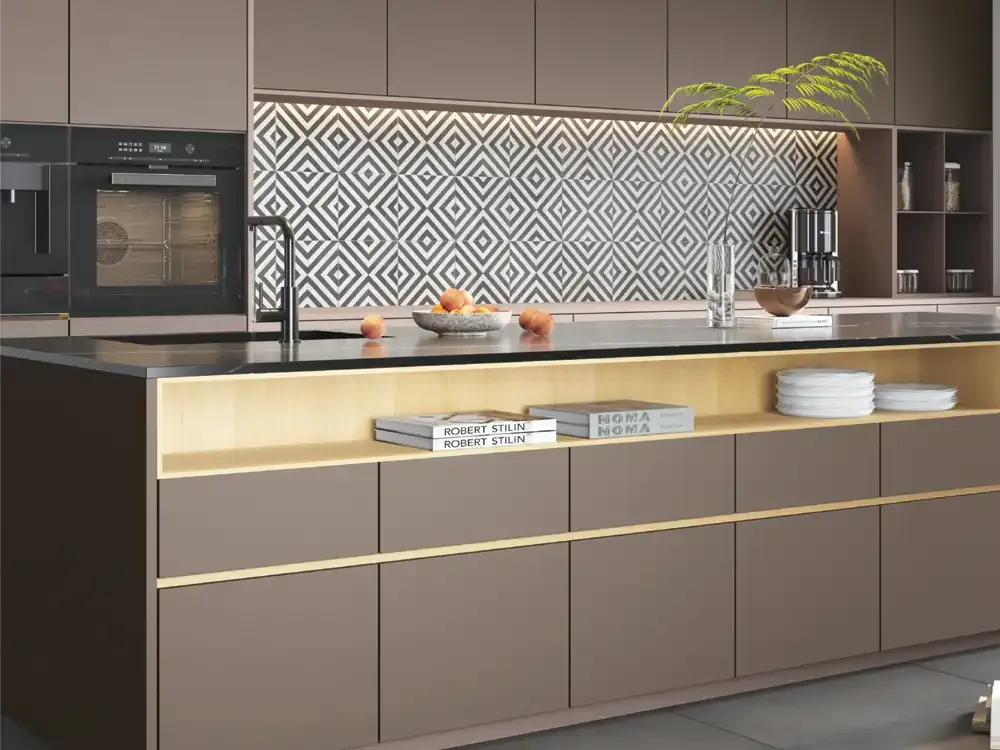
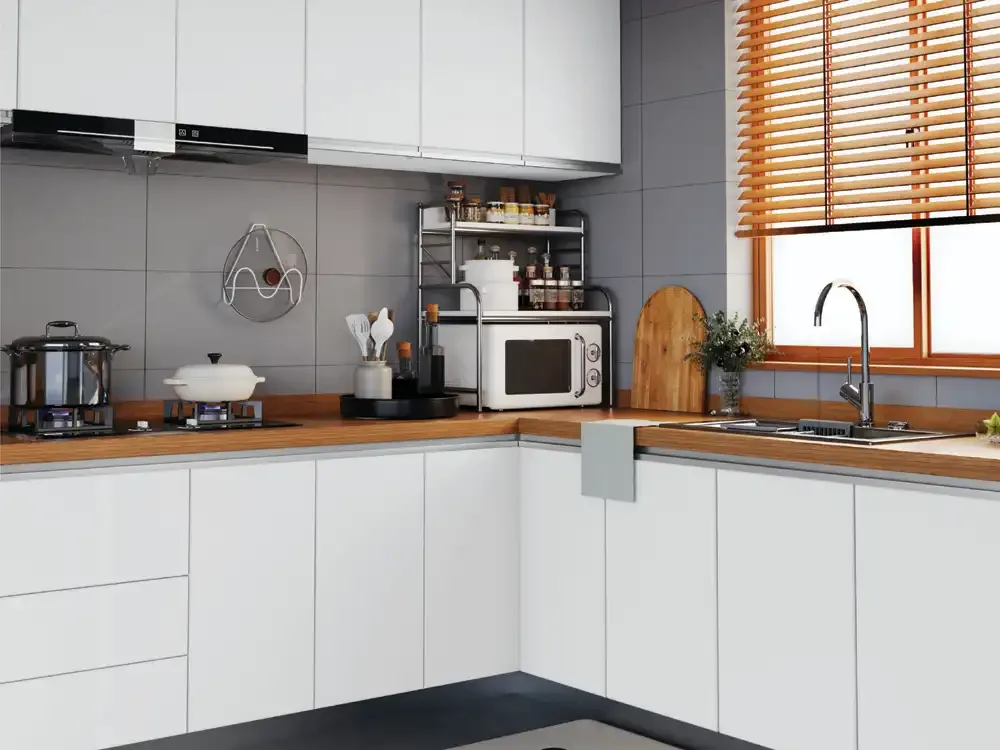
For modular kitchens, laminate selection begins with shutter layout and the surfaces that will surround it. A light Matt ASA Laminate can support continuous overhead cabinetry; a deeper neutral can anchor base cabinets; and a metallic-look accent may be reserved for a niche, pantry door or island detail. Matching everything to the same finish is not always necessary. A coherent project often combines one dominant finish with a complementary surface and restrained hardware.
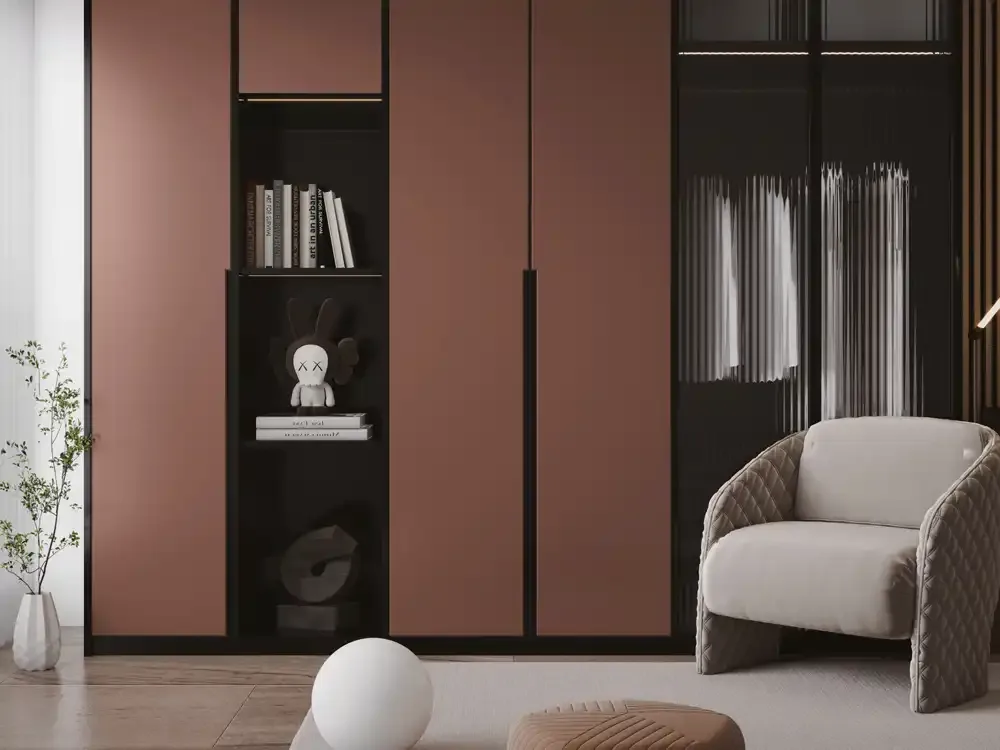
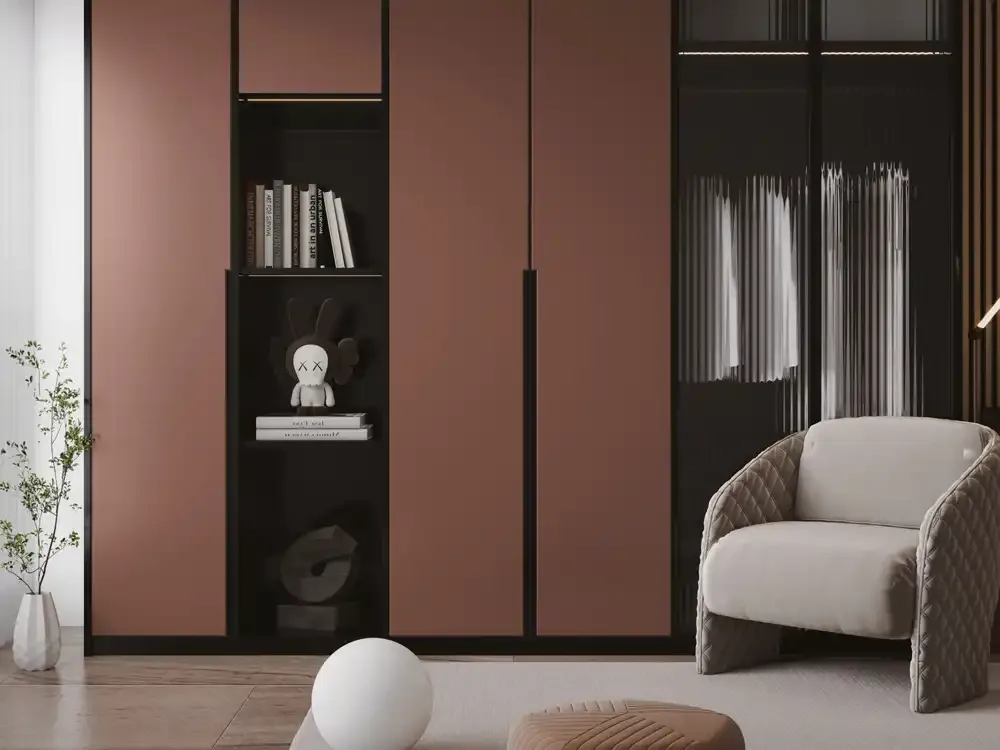
Wardrobe projects have different priorities. Full-height doors occupy a large portion of the bedroom wall, so small colour differences become more noticeable. Quiet Matt palettes may suit uninterrupted wardrobes, whereas a single contrasting panel, dressing niche or handle detail can introduce variety. The same thinking applies to study desks, office cabinetry, reception counters, TV furniture and retail interiors. Suitability should always be confirmed against the actual substrate, fabrication method and project conditions.
Choosing a Laminate Colour with Confidence
Start with the room's largest fixed elements: flooring, wall colour and built-in furniture that will remain in place. If those are warm, consider whether ivory, beige or a balanced greige will create continuity. If the room contains cool stone, glass or dark metal, a grey or muted blue-green may be more comfortable. Avoid making the decision from an online photograph alone; screens cannot reproduce every undertone or level of surface reflection.
The best comparison is between real samples in the actual room. View a swatch in morning light, under evening lighting and beside the final countertop or upholstery. Then consider door size and repetition: a colour that looks bold as a small sample may become dominant on an entire wardrobe. A decorative laminate sheet should support the composition of the interior, not simply compete with the next surface for attention.
Verified Sheet Format and Specification Boundaries
The supplied Mark Decor catalogue identifies an 8 × 4 ft sheet format and 1 mm thickness for the ASA range. These are collection-level catalogue specifications rather than a promise about stock availability in a particular shade or location. Designers should verify the ordered SKU, applicable tolerance, finishing requirements and edge treatment with the current technical information before cutting or fabrication begins.
The catalogue also includes feature icons and a care-oriented technical comparison. Those icons should be read alongside the manufacturer's instructions, not as proof that an entire cabinet assembly is waterproof, fire rated, suitable for continuous submersion or approved for outdoor use. A laminate is one component of a finished furniture system. Substrate quality, adhesive selection, joint treatment and correct installation contribute to how that system performs in daily use.
Features, Surface Care and Realistic Expectations
The catalogue presents protection-oriented features including scratch-related performance, water resistance and surface-care benefits, with some differences between the Matt and Metallic series. Those shared claims help buyers identify questions to ask, but they do not replace use and maintenance guidance. In particular, a scratch-resistant surface should not be treated as scratch-proof. Sharp tools, abrasive pads and dragging hard objects can still mark a decorative finish.
For everyday cleaning, begin with a soft cloth and follow the manufacturer's approved method for the specific finish. Wipe spills promptly and keep chemical cleaners, solvents and abrasive powders away unless their suitability is confirmed. Cabinet edges and joints deserve as much attention as the central laminate surface. In high-use kitchens or retail counters, the design should account for expected contact, cleaning frequency and the possibility of moisture reaching exposed substrate edges.
Furniture Applications beyond Kitchens and Wardrobes
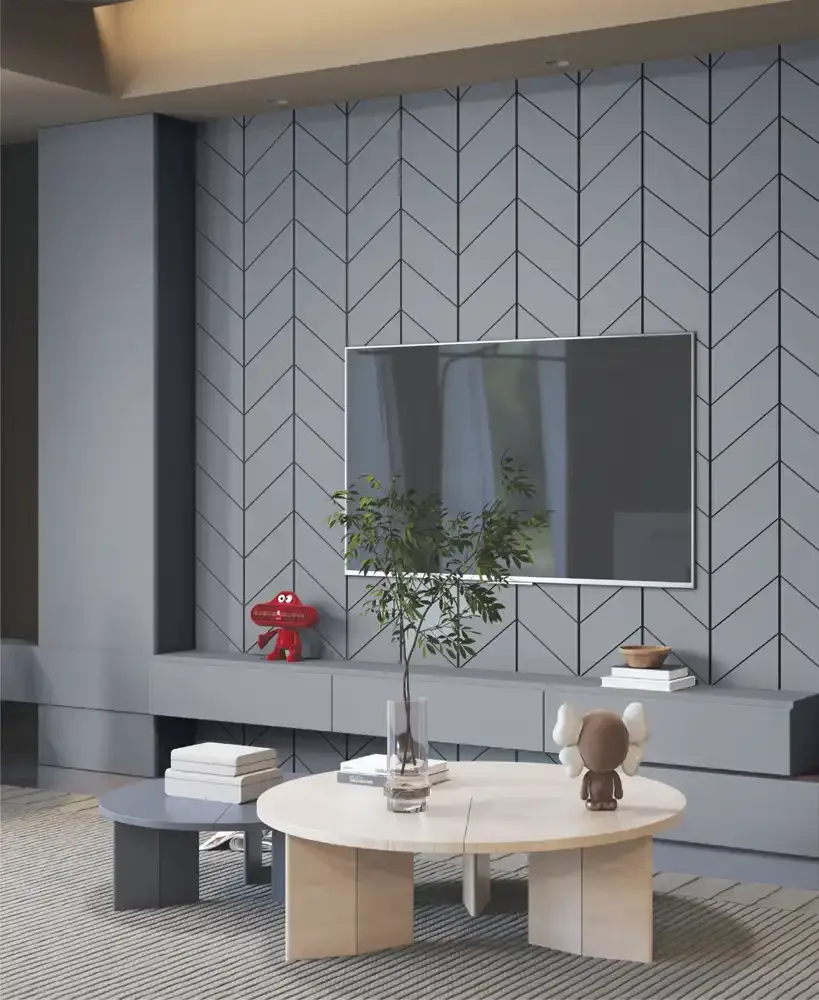
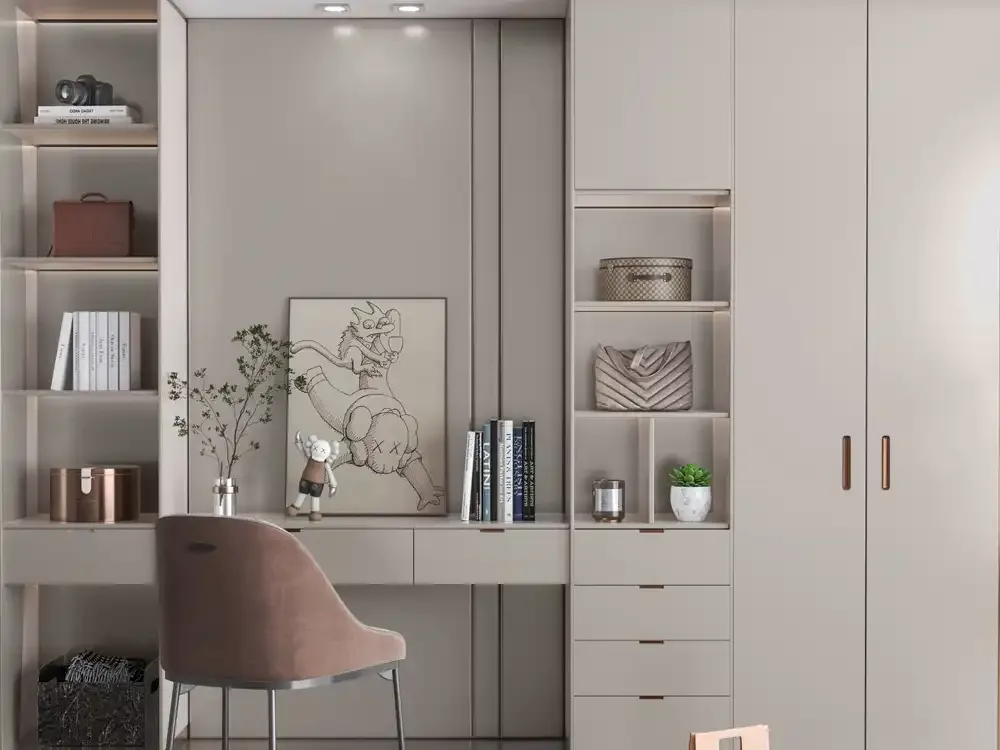
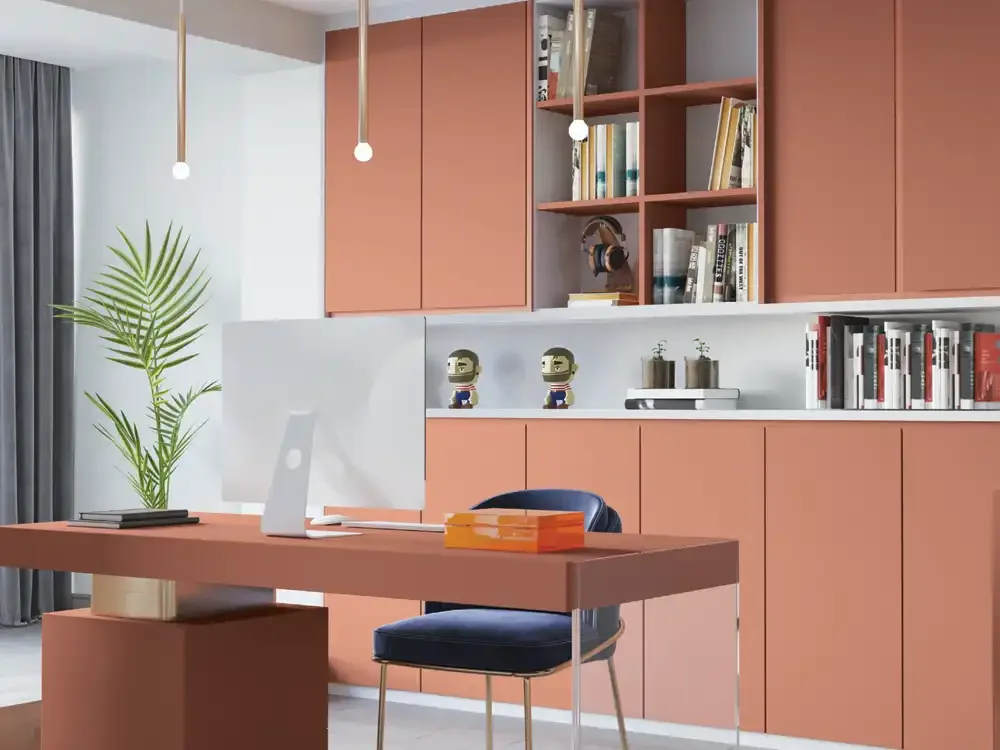
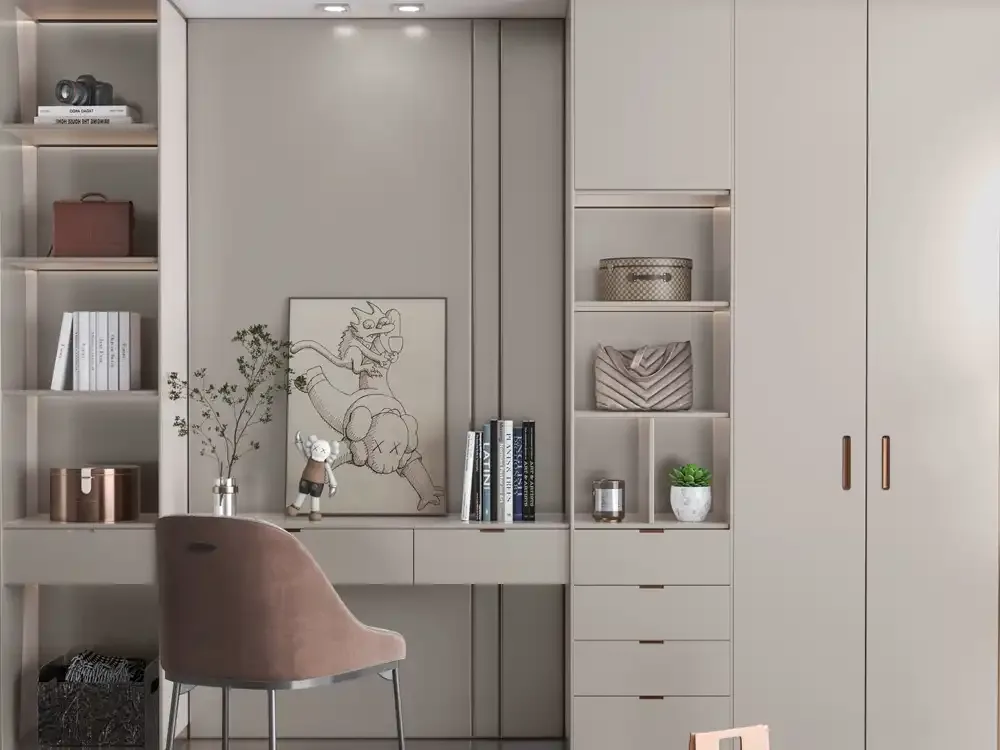
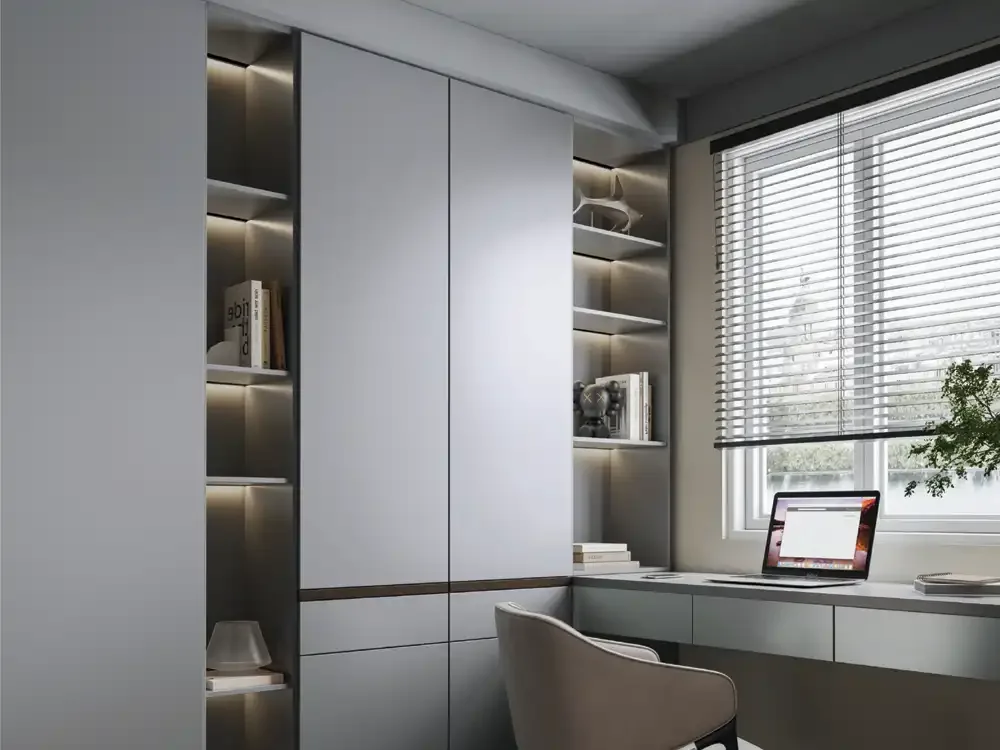
ASA Laminates can help create continuity across a home or commercial interior. A study might carry one selected shade from desk drawers to a wall-mounted cabinet. A living room can relate a TV console to nearby storage without making both surfaces identical.
For interior designers, the practical opportunity is not merely a large list of colours. It is the ability to plan transitions between the soft visual character of matt furniture and a more expressive metallic accent. A disciplined specification gives each finish a role: background, contrast, focal point or connecting surface.
Working with Fabricators and Installation Teams
A good laminate design starts before the first sheet is cut. Share a finish schedule that lists the intended product code, the surface being covered, the adjacent edge-band choice and the orientation of panels. Confirm that the chosen adhesive and substrate are suitable for the actual installation. The catalogue identifies MARK BOND among related installation materials, but the correct grade and application method should be checked for the project.
Cabinet makers should inspect sheet surfaces before fabrication, protect face finishes during handling and plan joints around door dimensions. Edges, corners and exposure to moisture deserve careful detailing. Where a metallic-looking finish meets a matt colour, sample the transition in advance, because changes in reflectivity can emphasise even small alignment differences. Proper coordination between designer, supplier and installer is more valuable than an unverified performance promise.
How to Compare Matt and Metallic without Keyword Overlap
This overview helps buyers compare ASA Laminates, sheet options and the decision between finish types. Buyers who already know they prefer low-key cabinet surfaces can explore the dedicated Matt collection. Those looking for lustrous accent furniture or metal-inspired decorative effects should examine the Metallic collection. Each collection deserves its own specifications and design guidance, rather than a repetition of this overview under a different heading.
The same principle applies when browsing individual MA-series products. Their photographs and SKU-specific descriptions are the right place to compare subtle differences among whites, pinks, greens, cool greys and metallic-looking colours. A category article should guide the choice, while product pages should make the exact design and item identifiable.
Selecting ASA Laminates for Project Enquiries
Before requesting material, record the proposed application, approximate area, expected surface exposure, preferred series and the product codes under consideration. For a kitchen, include sample photographs of worktops and backsplash. For a wardrobe, include the wall and flooring palette. For a reception counter, indicate whether the finish needs to remain visually quiet or create a focal point under strong lighting.
Ask for current product confirmation, available sheet quantities, lead times and the recommended installation system. Where performance is critical, request current technical guidance rather than relying on a marketing phrase or an image of a finished room. Mark Decor's ASA range is best selected through the combination of a clear design objective, the correct finish family and physical sample verification.
Mark Decor ASA Collection at a Glance
The strength of the collection is its choice between expressive and restrained design. Matt surfaces can provide a composed foundation for cabinetry; metallic-look laminates can draw attention to a selected plane or furniture detail. Both are presented in a consistent catalogue format, which makes it easier to compare their general dimensions while still assessing the finish-specific differences.
For a project that combines multiple rooms, it is often sensible to choose a small palette of coordinated colours instead of selecting a new finish for every cabinet. Begin with the intended atmosphere, review the individual swatches, check fabrication needs and then confirm the exact product codes. Use the Matt and Metallic subcategory pages for deeper design-specific information before selecting the final laminate sheets.