Cane Art


Cane Art Guide
Cane Art: Woven-Look Decorative Panels for Interior Design
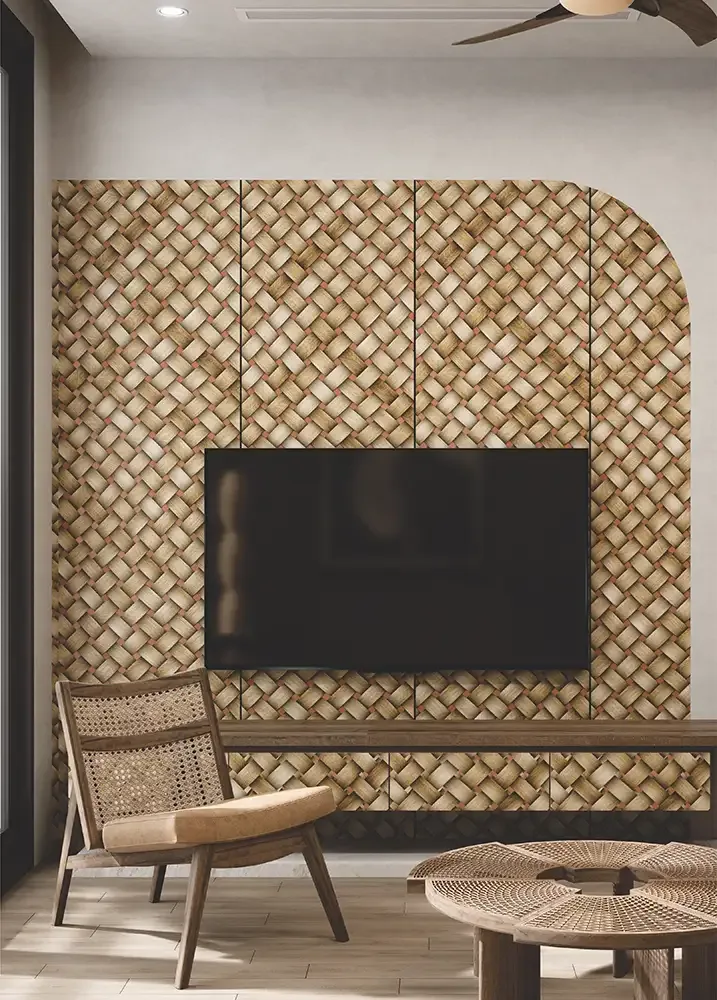
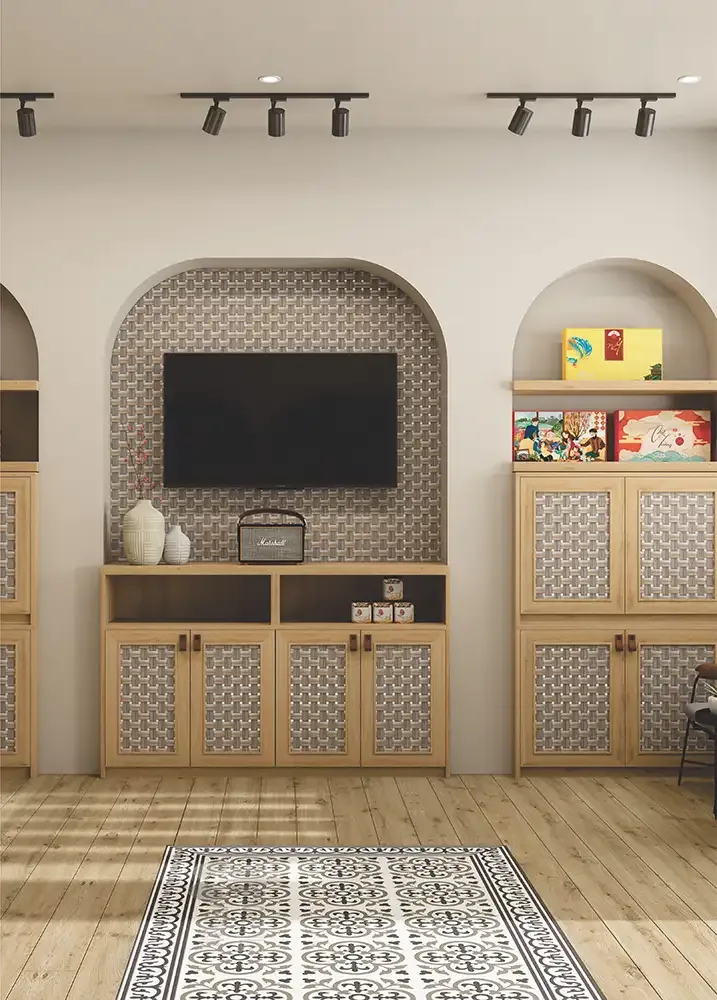
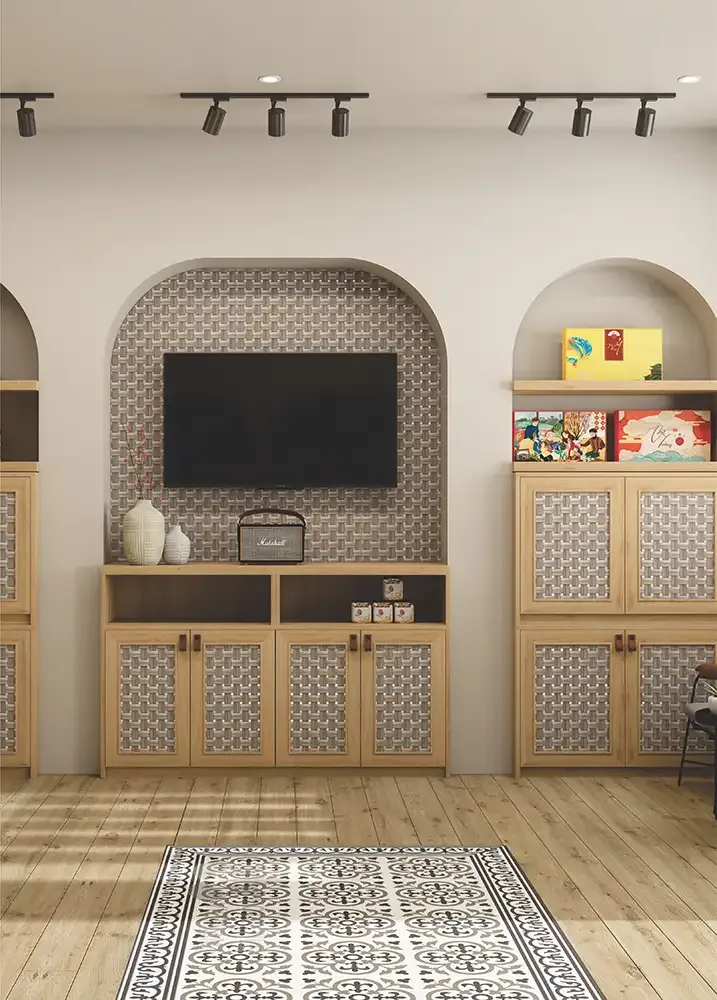
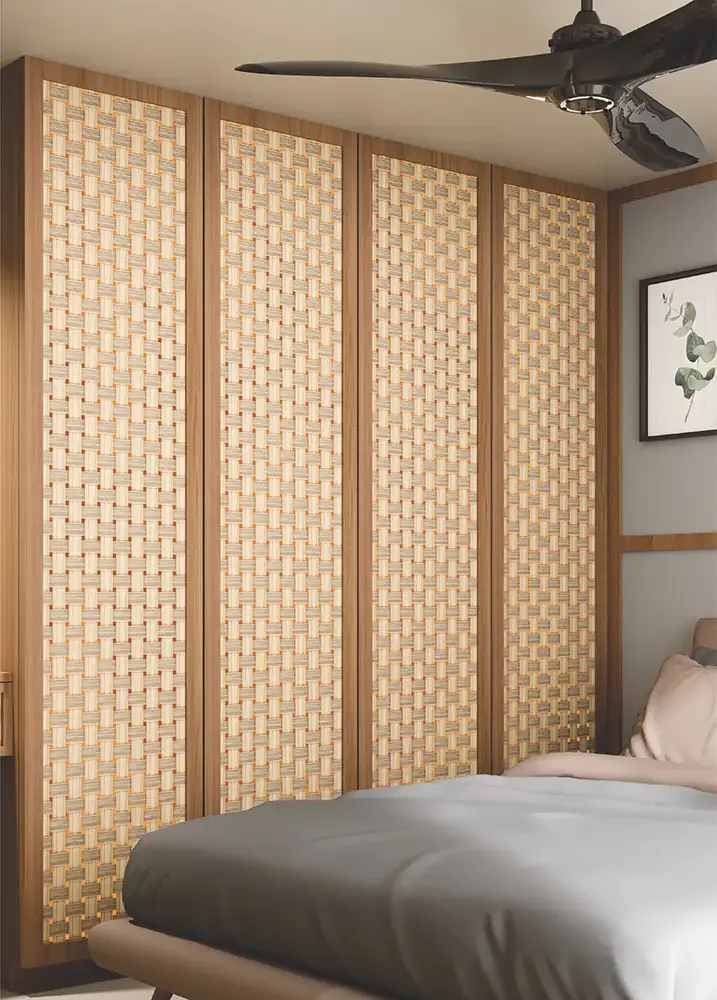
Cane Art is Mark Decor’s collection of 16 CA-coded decorative designs, CA-51 through CA-66, whose visible identity draws on the appearance of cane, baskets, woven fibres and interlaced geometry. Some products evoke traditional warm rattan colours, while others use grey, black or high-contrast linework for a more contemporary interpretation. The key attraction is visual texture: an impression of craft and intersecting strands translated into a decorative surface.
It is important to distinguish appearance from construction. The reviewed PIM descriptions refer to cane-look and woven-pattern panels; they do not independently verify that every sheet is handwoven from natural cane, rattan or timber. This page therefore focuses on the distinctive patterns and their design possibilities. Material composition, dimensions, thickness and substrate compatibility should be confirmed from a collection-specific technical sheet before specification.
Why Woven Patterns Work in Modern Interiors
A weave gives a wall a level of detail that can bridge simple contemporary furniture and warmer, more tactile surroundings. Intersecting lines introduce rhythm without necessarily demanding a large ornamental medallion. A fine basket texture can appear quiet from a distance, while a dark diamond lattice may read as graphic artwork. Those differences make the Cane Art range more versatile than a single natural-beige weave might suggest.
The best design schemes establish contrast thoughtfully. A woven-looking surface beside plain painted walls, timber furniture and subdued upholstery can feel cohesive. Placing several unrelated patterns together may instead produce clutter. Decide whether the weave is intended to be the main feature or a textured companion to cabinetry; then choose a colour and pattern scale that serves that role.
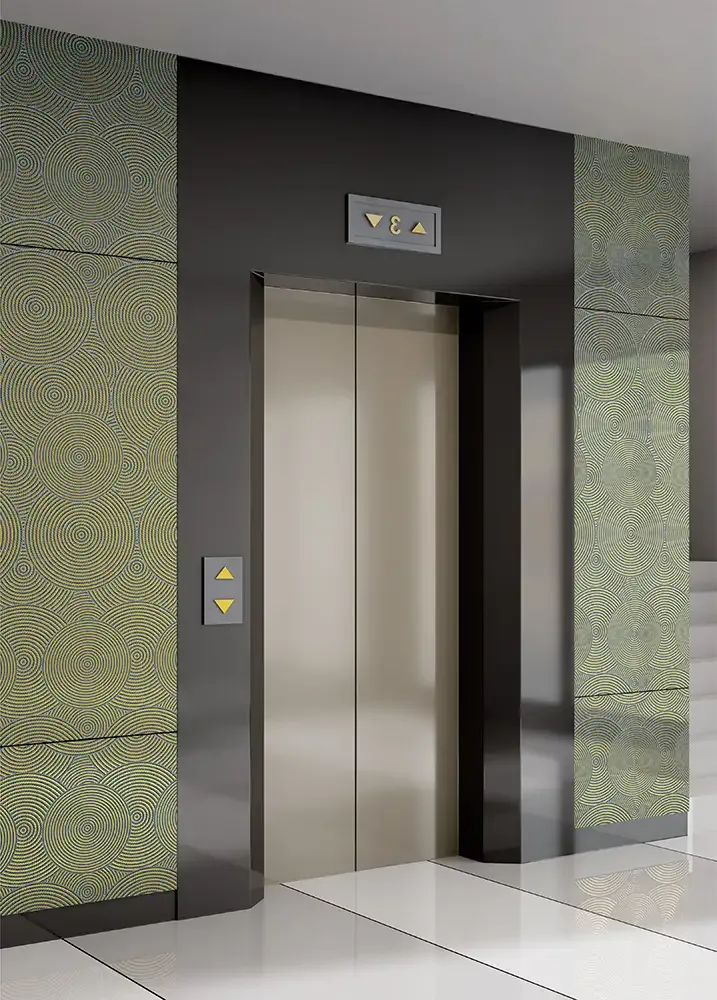
Circular Cane Motifs: CA-51 and CA-52
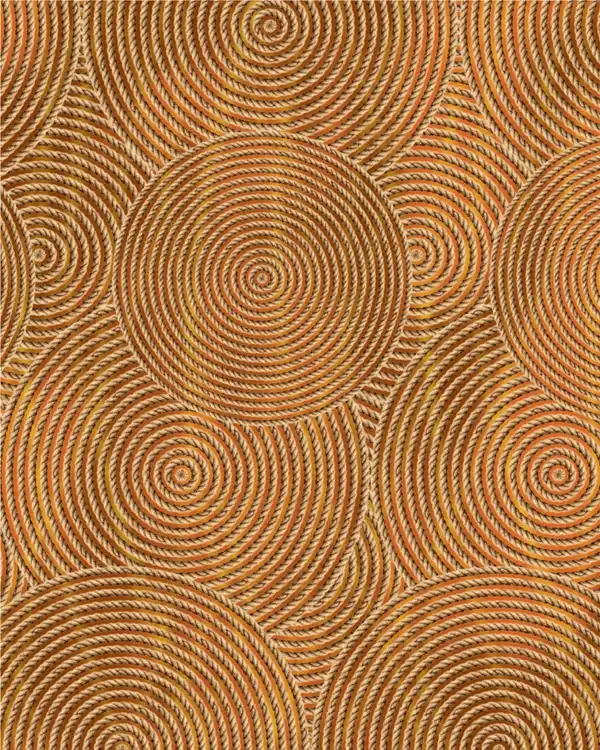
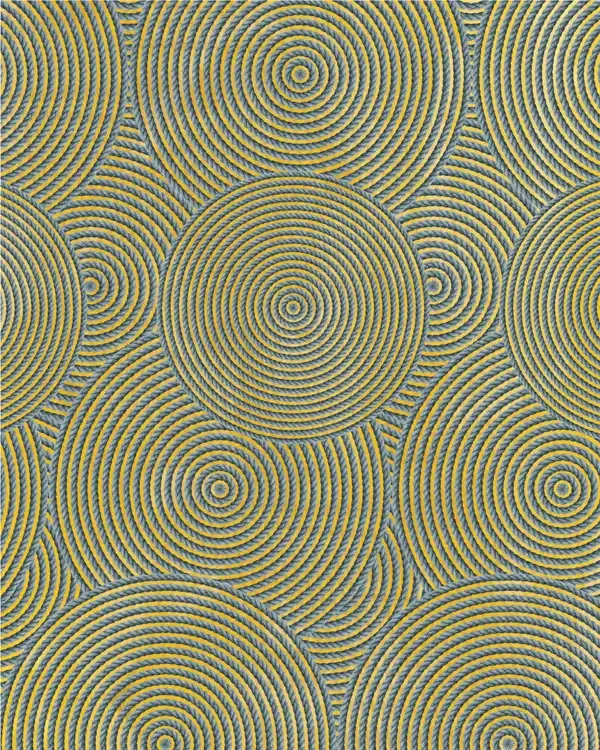
CA-51 opens the range with warm golden-brown concentric circular detailing. Its strong rings make it suitable for a distinctive decorative focal point, especially where other room surfaces remain simpler. CA-52 adopts a calmer olive-grey interpretation with finer circular lines. These two designs offer a way to use circular rhythm without relying on the mandala or sunburst artwork found elsewhere in Mark Decor’s Mirror Art family.
Circular designs require more deliberate positioning than a small uniform weave. Consider the viewing angle and the location of furniture before cutting the panel. A console, headboard or display cabinet can hide part of a repeated circle; that may be acceptable if planned, but an intentional composition should be checked first. Pair warm brown tones with suitable natural-looking furniture finishes, or use the grey variant for a softer contemporary palette.
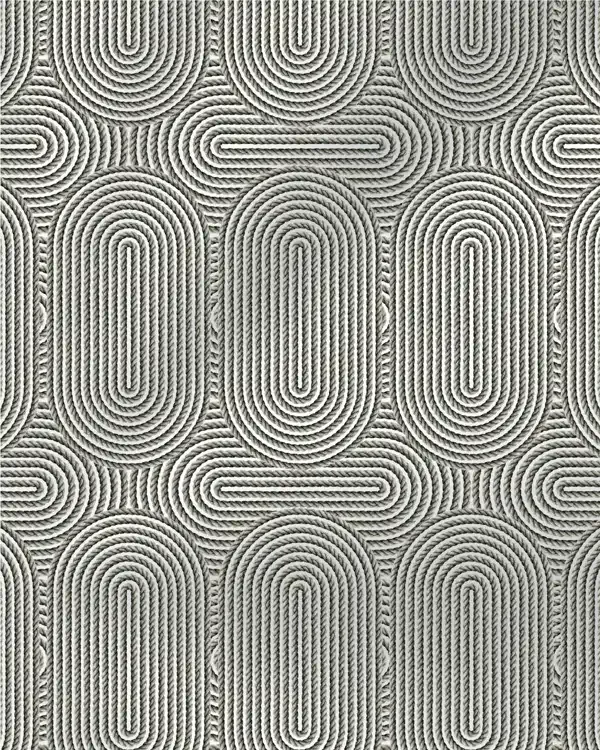
Arch Loops, Basket Weaves and Dense Block Textures: CA-53 to CA-55
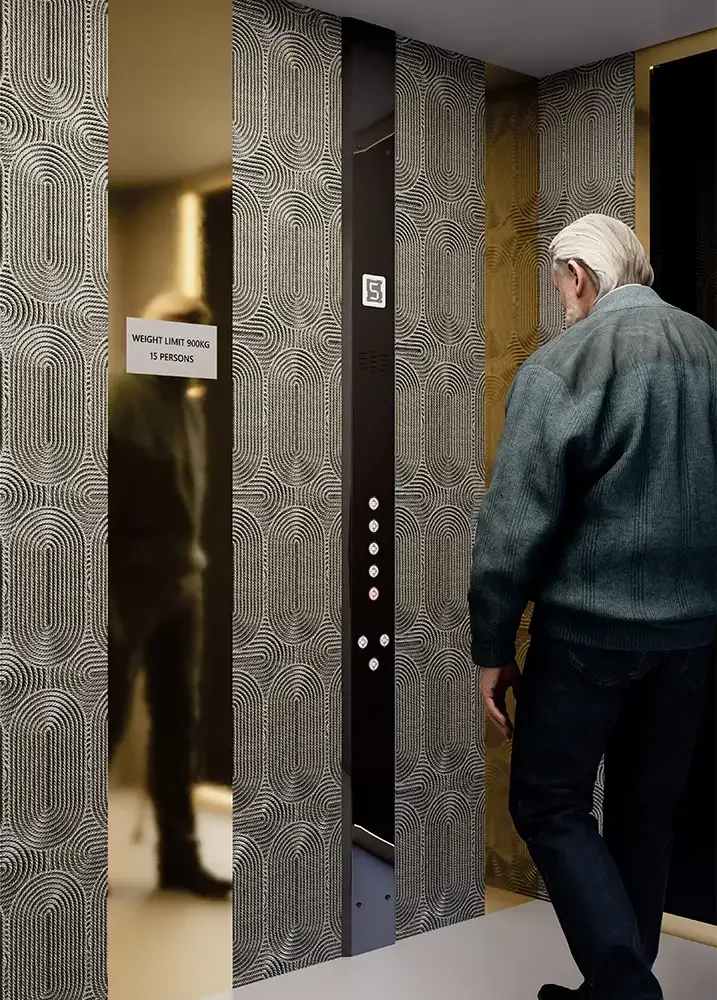
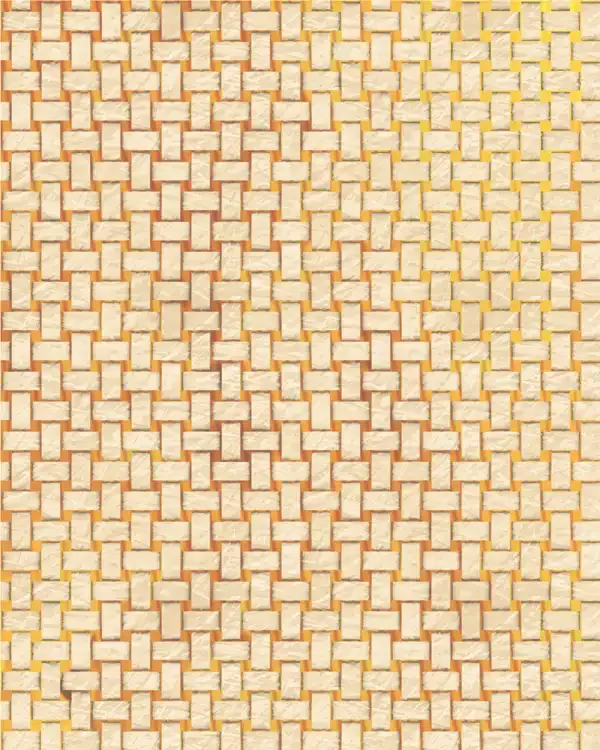
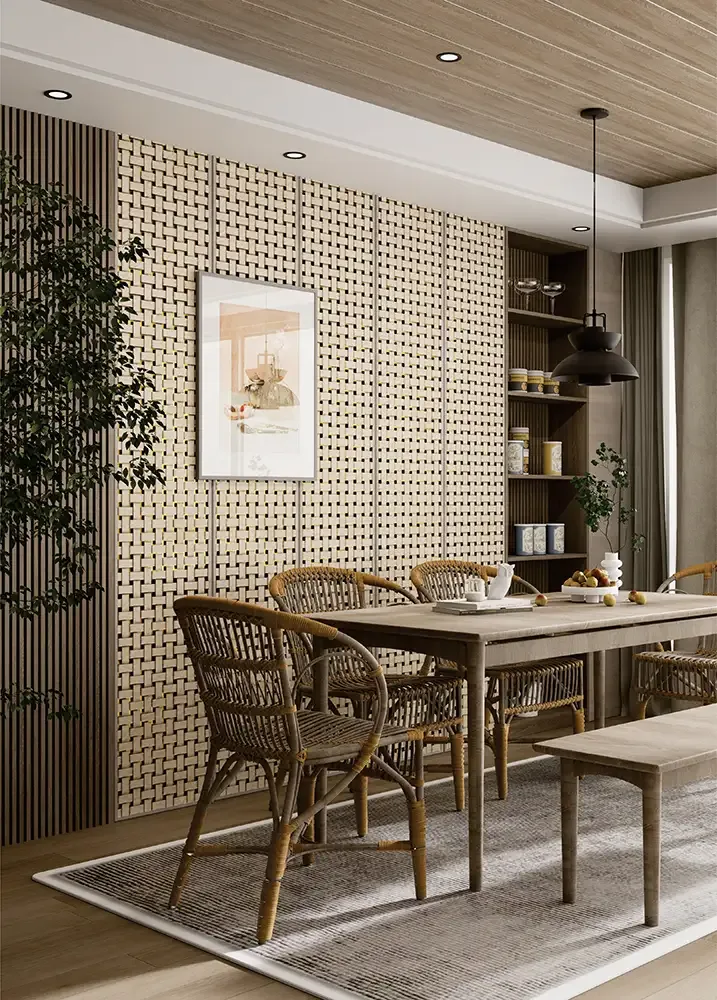
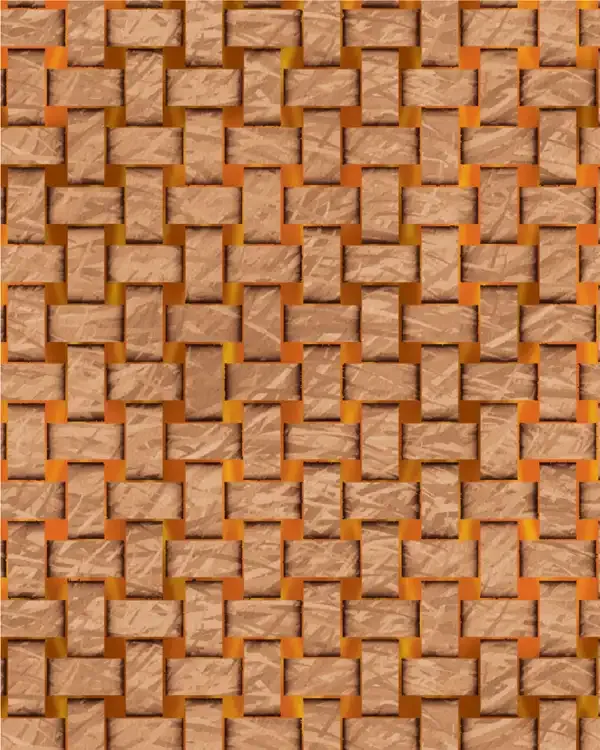
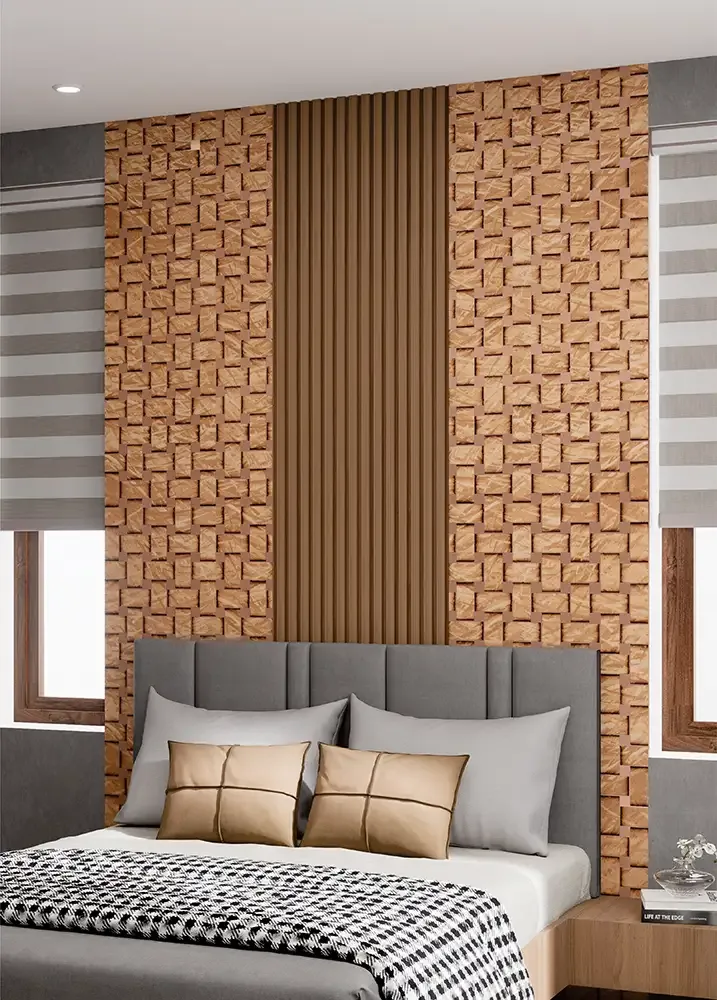
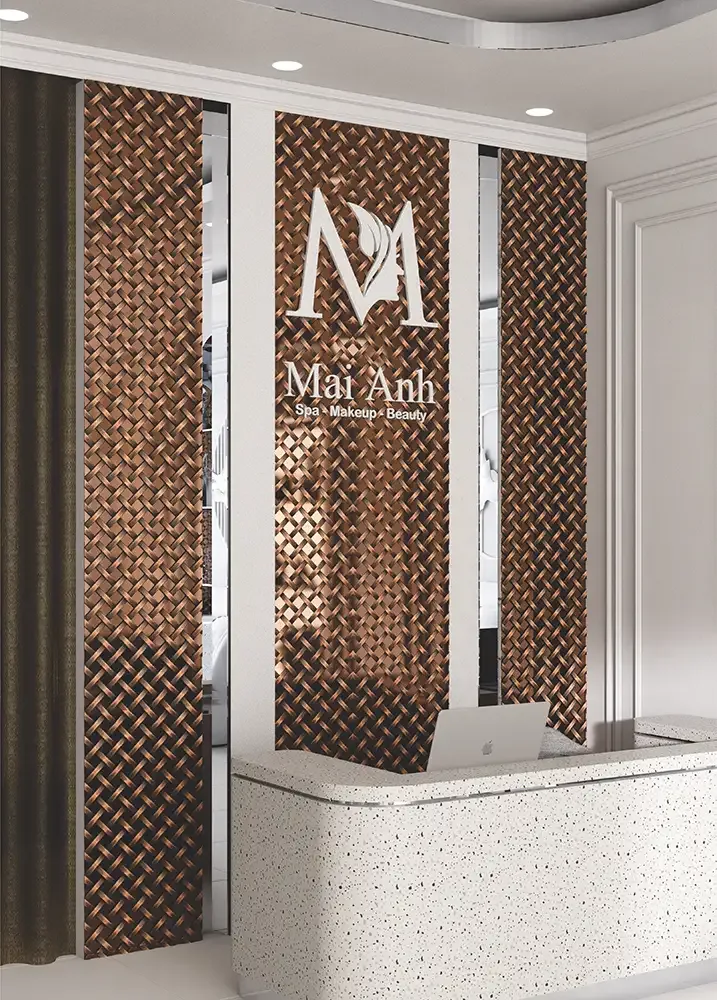
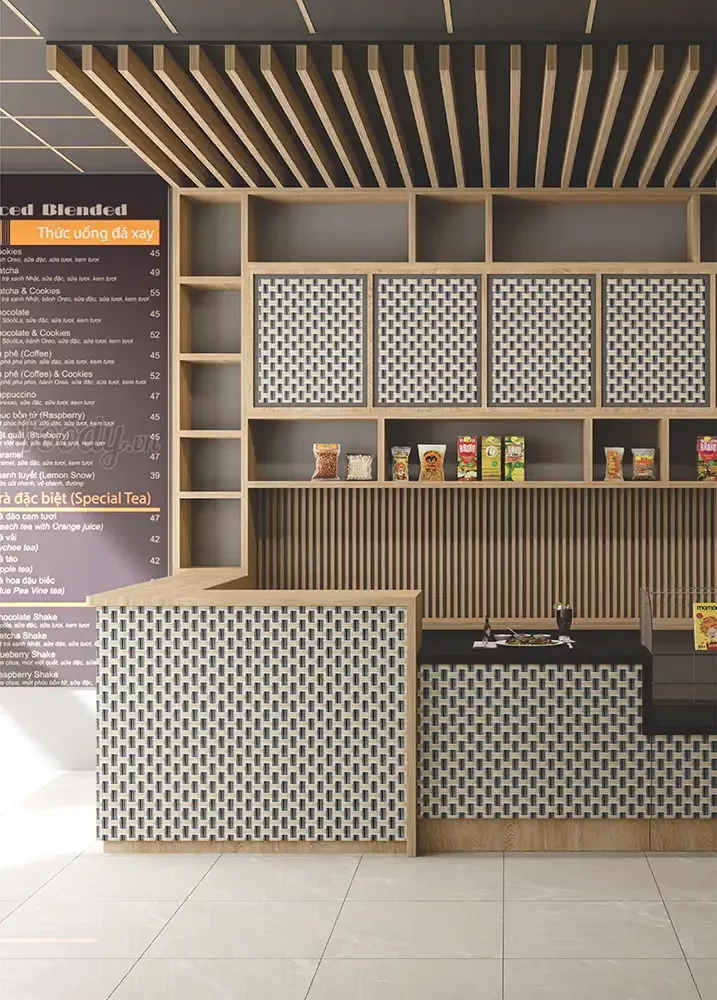
CA-53 changes direction with black, white and grey rounded arch loops, creating a monochrome graphic surface. CA-54 is closer to a light beige square basket weave, with a calm and neatly organised pattern. CA-55 introduces thicker, deeper-looking interwoven blocks in warm rustic browns. Together they show that Cane Art includes both delicate neutral arrangements and more assertive woven effects.
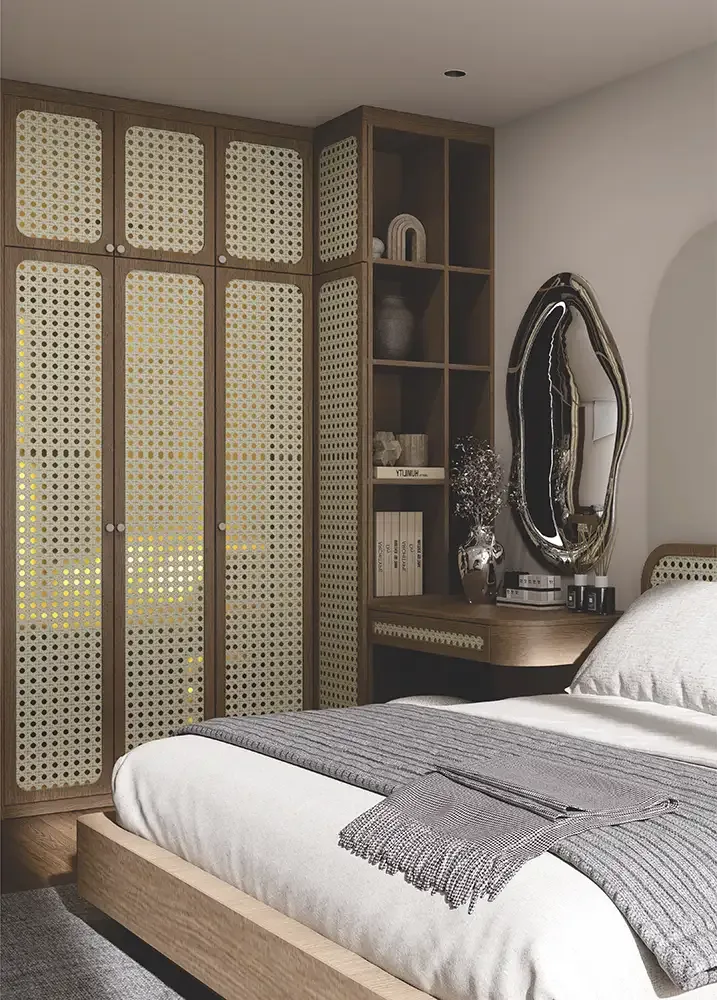
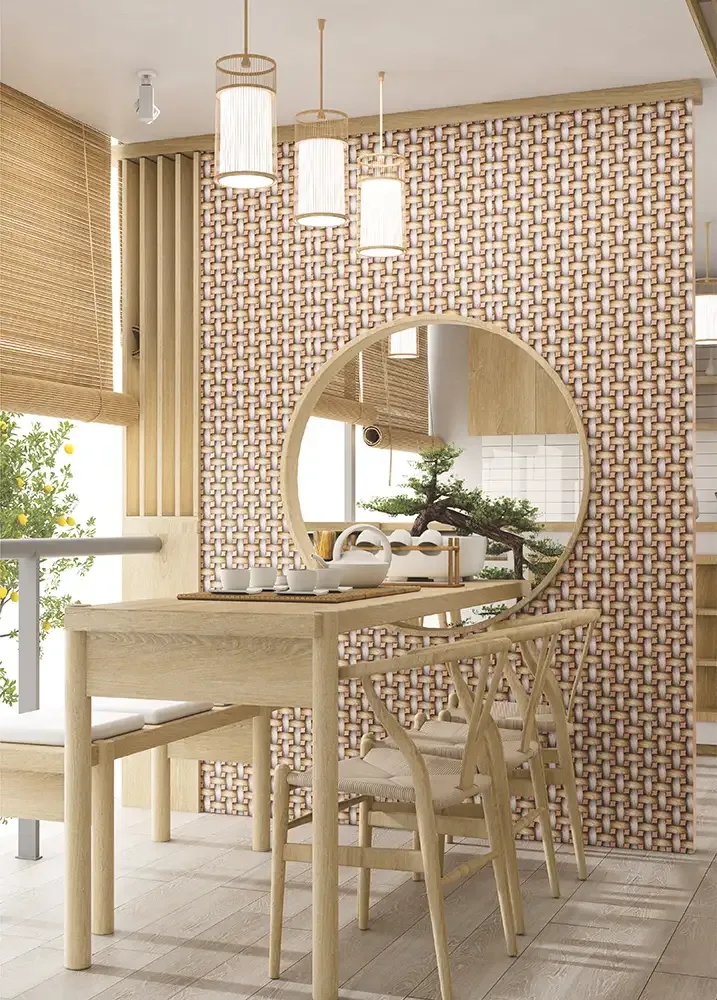
These patterns can support very different interiors. The light basket grid may sit quietly in a wardrobe-adjacent feature or dining area, while the darker wood-tone impression can bring warmth to a lounge accent. The arch-loop design is useful where the palette is monochrome and geometry should carry the decoration. A “deep” or “textured” visual description should not be mistaken for measured physical relief without technical evidence.
Diagonal Weaves and Decorative Highlights: CA-56 to CA-59
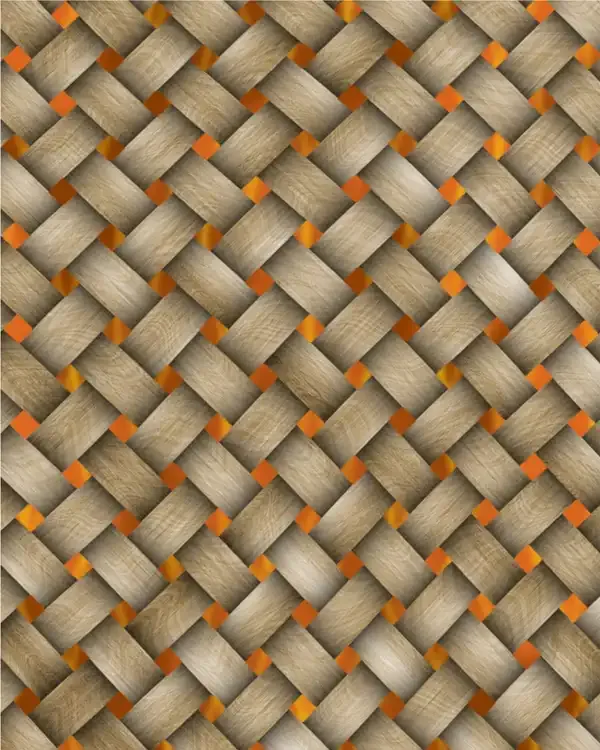
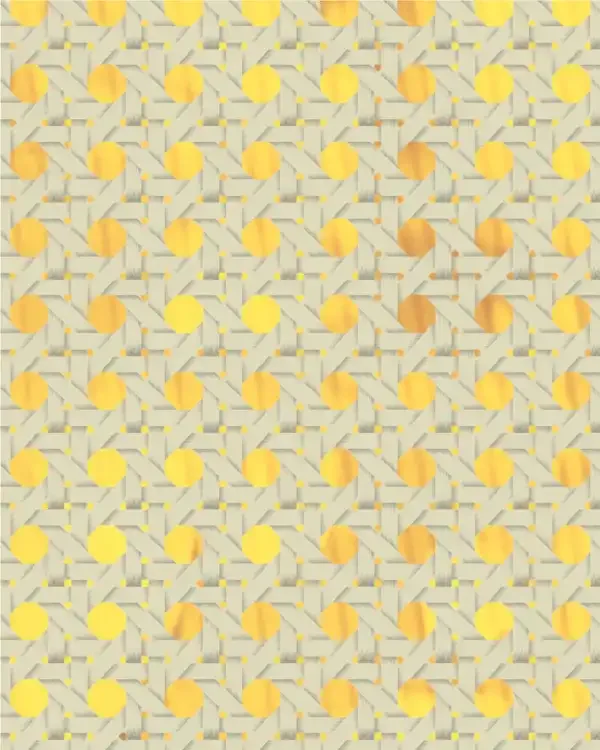
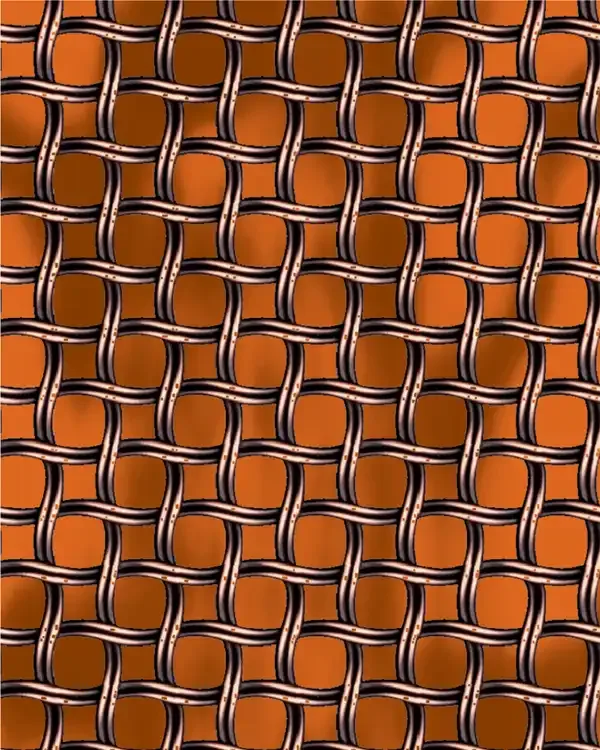
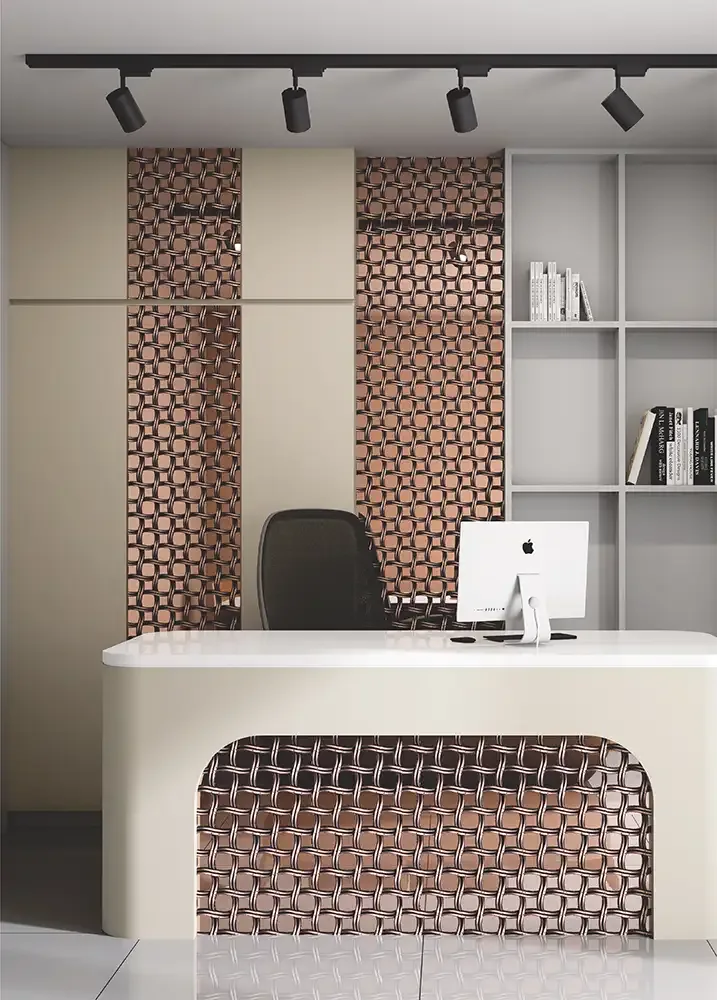
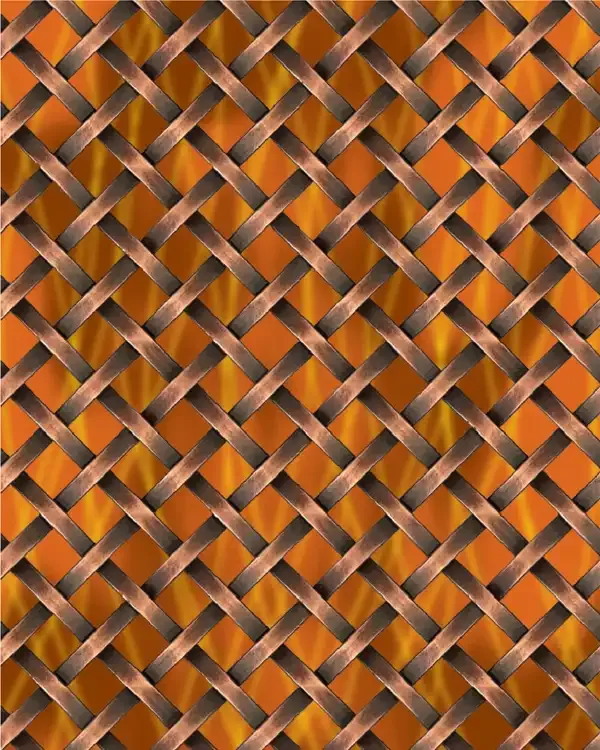
CA-56 combines taupe-grey crossing strands with amber-toned details in a diagonal arrangement, adding controlled visual movement. CA-57 is lighter, with an ivory palette and warm circular accents. CA-58 takes a darker direction through a brown woven grid and strong light-dark highlights, while CA-59 uses a lively crisscross lattice in orange-brown shades. These designs are especially helpful when the brief needs a sense of craft without relying on the same basket repeat throughout.
Pattern direction influences how a room feels. Diagonal lines can create energy behind a console or display, whereas a grid often reads as more settled and orderly. Warm highlights can link visually to bronze-coloured hardware, timber and upholstered furniture. For a premium finish, do not assume that the colours are actual metallic foil or that the design uses solid wood; the source supports their appearance, not a specific material recipe.
Natural-Style Basket Grids and Fine Mesh: CA-60 to CA-64
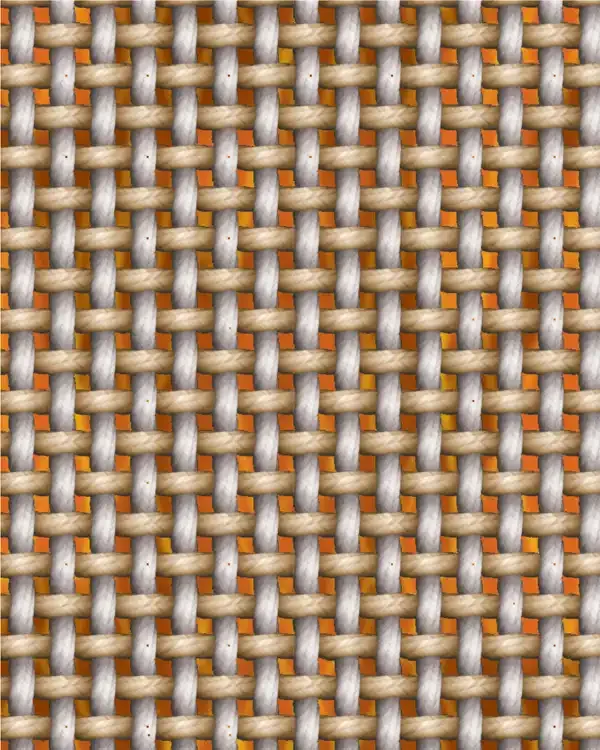
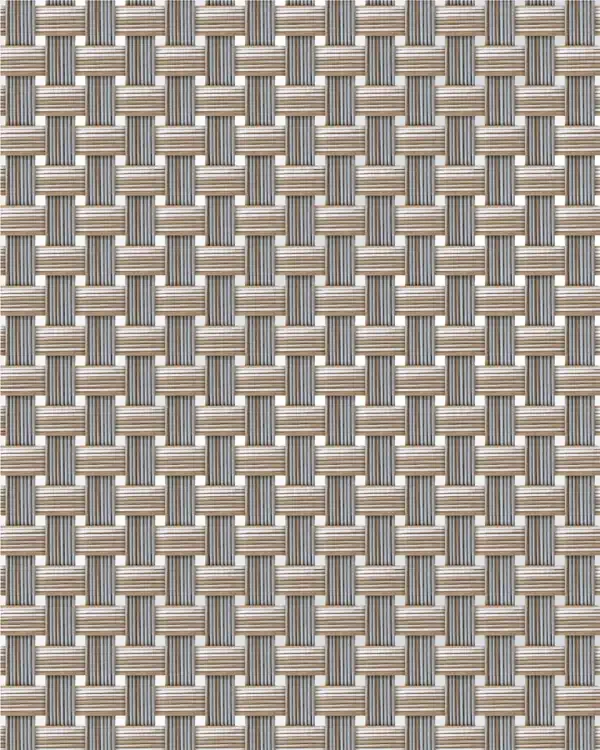
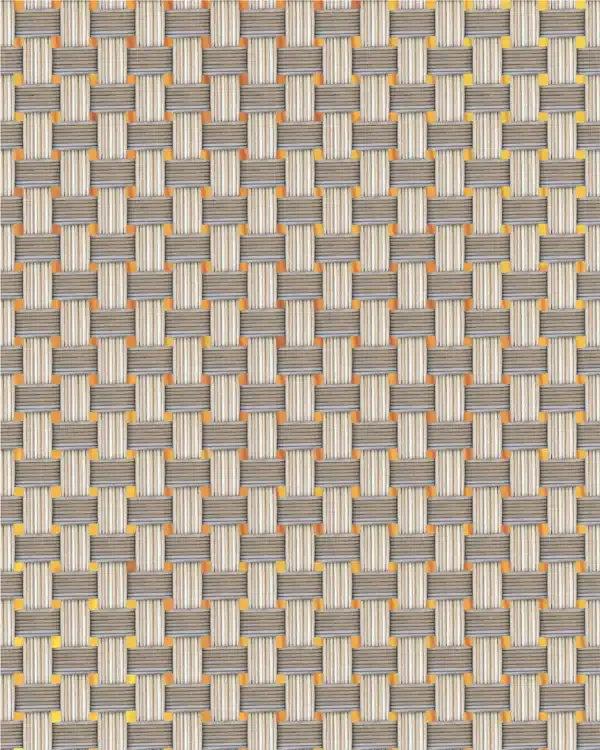
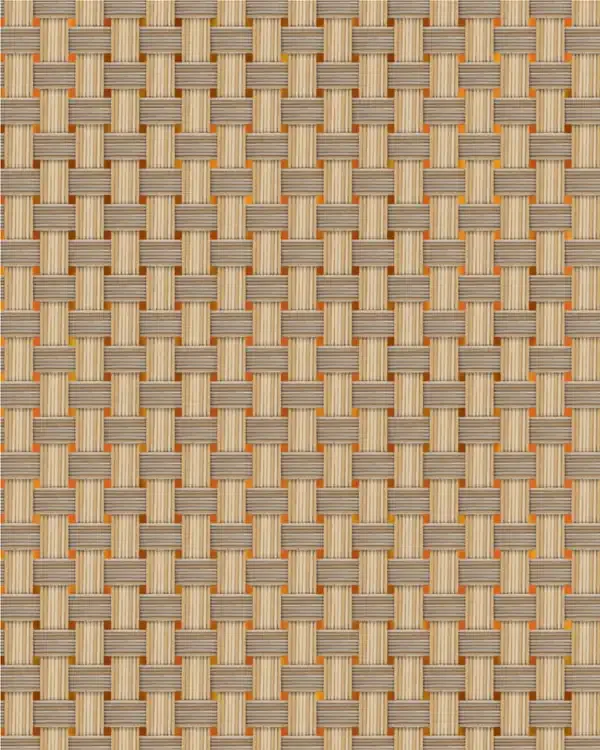
CA-60 shows a close basket-weave appearance using tan, ivory and grey tones. CA-61 uses a finer beige-grey rectangular repeat; CA-62 is a muted taupe-grey mesh; CA-63 adds brighter light-grey and golden-looking details; and CA-64 combines sandy beige with orange-gold-looking crossing strands. Although these designs share a woven family resemblance, their pattern density and colour temperature are visibly different.
Fine weaves can support a softer, quieter interior when placed beside calm furniture. A brighter highlighted grid may work as a feature behind a sideboard or at the edge of a reception zone. When comparing several CA codes, place samples next to the same reference material so differences in warmth and contrast become clearer. Selecting merely by “beige cane” can overlook the distinct mood of a cooler mesh versus a warmly accented grid.
Diamond and Herringbone-Inspired Designs: CA-65 and CA-66
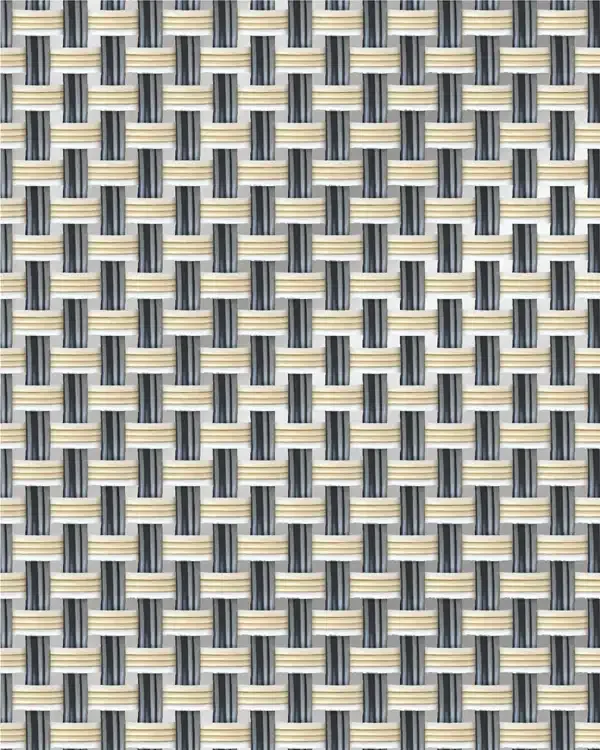
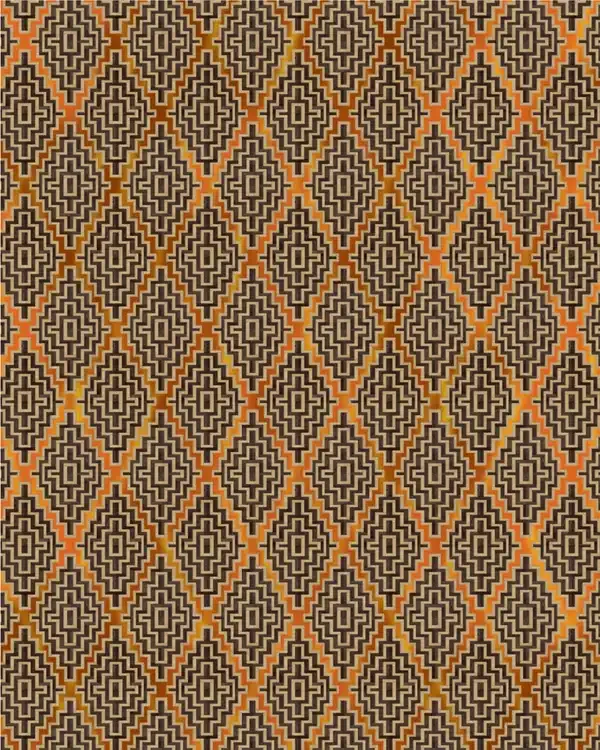
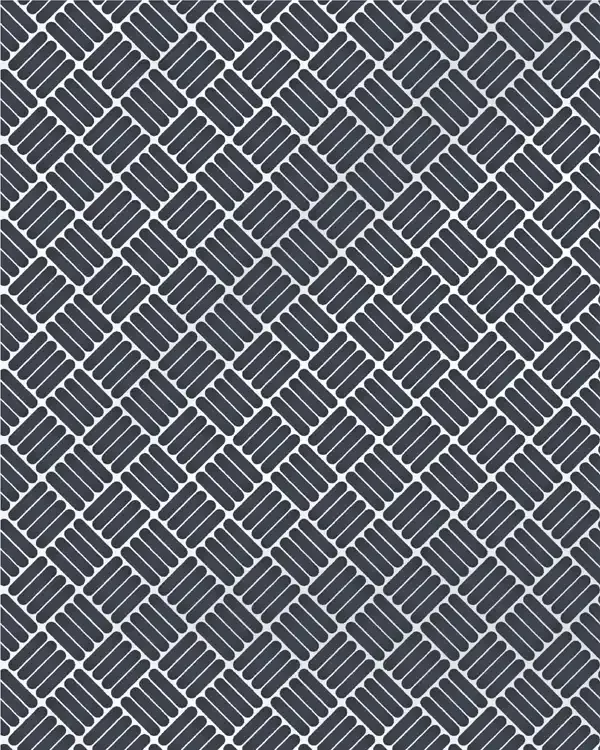
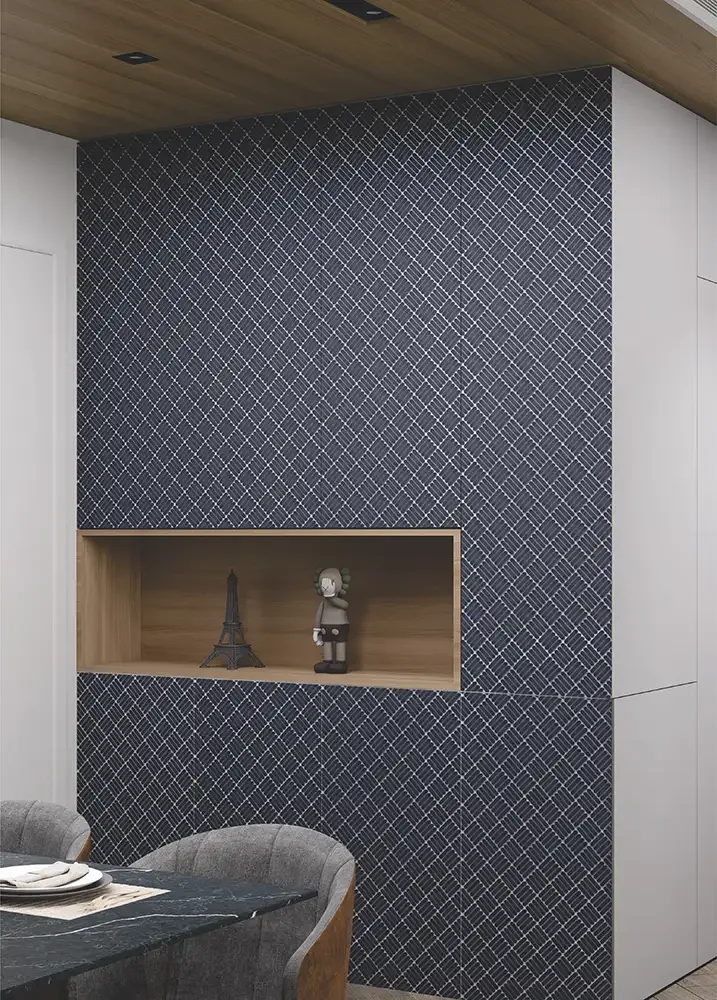
The last two Cane Art designs create stronger graphic statements. CA-65 features earthy brown and black diamond-style geometry with an ethnic-inspired rhythm. CA-66 uses a charcoal base and white herringbone-like intersections. Their contrast and directional structure make them more assertive than a gentle ivory basket pattern, even though all sit within the same woven-look family.
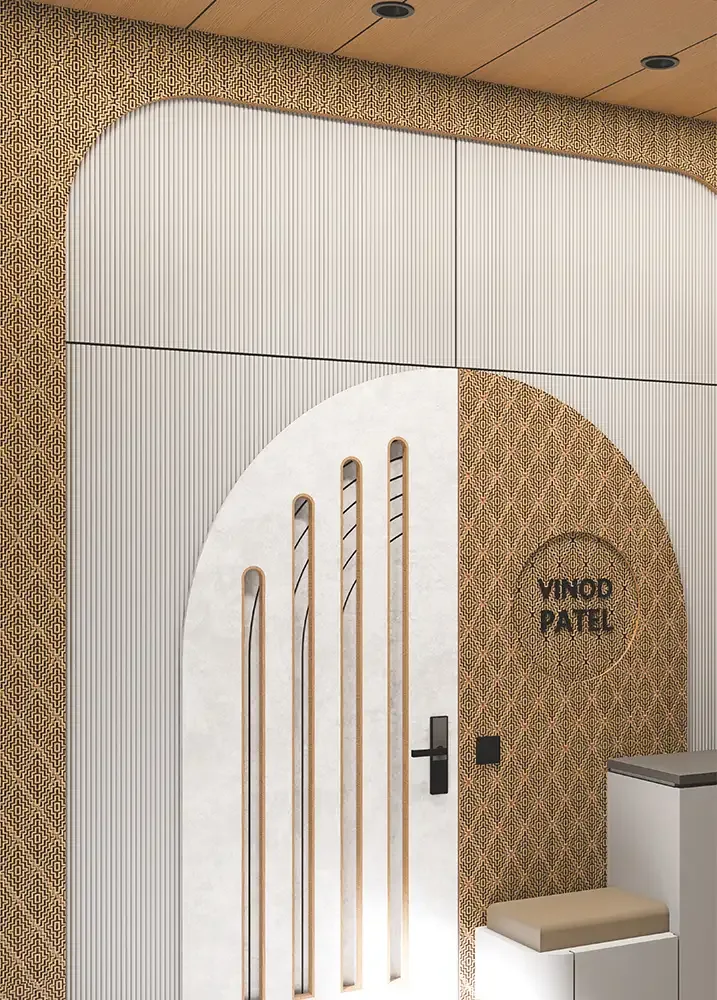
Use such designs purposefully. A bold diamond can define a feature corner in a showroom or living space, while a dark herringbone treatment may suit a more dramatic modern wall. Strong patterns usually benefit from clean framing, careful lighting and quiet adjacent finishes. Decide whether the pattern should cover a full wall or a smaller area, and verify the actual edge and junction behaviour before finalising a layout.
How Cane Art Differs from Real Cane, Wallpaper and Flat Paint
Cane Art’s search intent is about woven-look decorative wall panels and the visual warmth of basket or cane motifs. Actual rattan or cane webbing is a different construction type, and ordinary wallpaper or paint has different requirements. The reviewed PIM source does not provide enough evidence to classify every CA sheet as any particular substrate. This page should therefore remain precise rather than rely on claims about weight, waterproofing, sound absorption or natural-fibre content.
Aesthetically, however, the comparison is useful. Real basket weaving shows physical interlacing, whereas a decorative patterned surface can portray the idea of weaving through colour and line. Whether that effect suits the project depends on the material, the desired tactile quality and the finished wall details. Ask for a physical sample and product specification when those differences matter to the design or construction.
Interior Applications and Colour Coordination
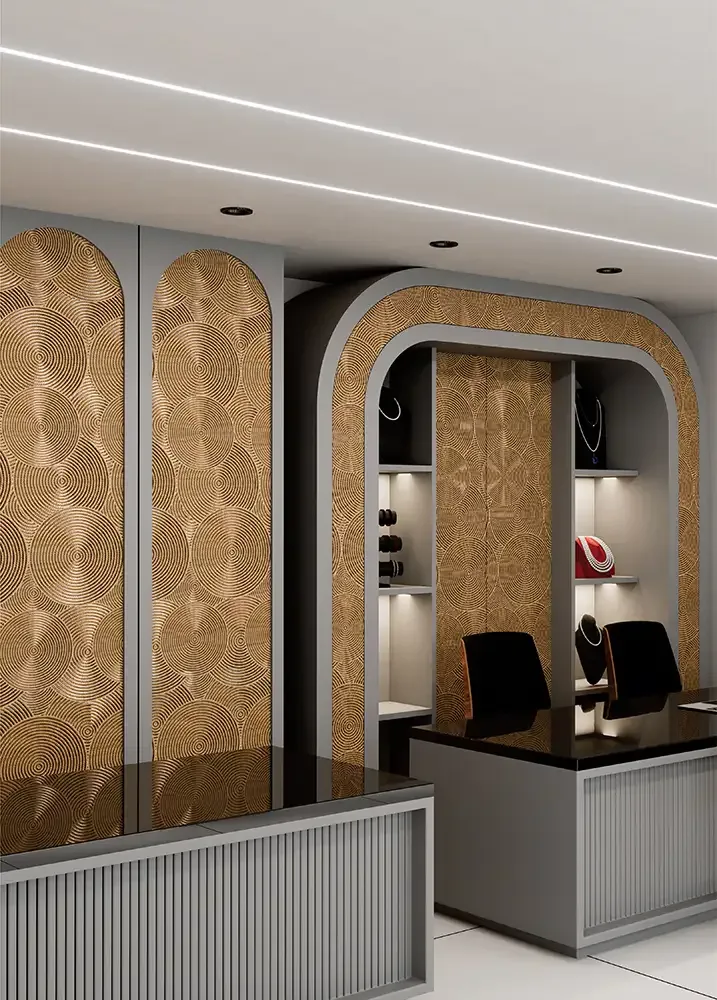
Potential decorative applications include a lounge accent wall, dining backdrop, bedroom feature, retail display panel, office reception detail or furniture-adjacent surface. These are ideas based on the visual designs and existing PIM product copy, not blanket approval for every installation method. A chosen CA panel should be evaluated alongside any moisture, heat, substrate and cleaning constraints at the actual site.
Warm beige and tan weaves can coordinate with cream textiles, walnut tones and simple lighting. Muted taupe and grey mesh patterns may fit neutral workspaces or bedrooms. The darker charcoal and herringbone options benefit from brighter surrounding surfaces and careful contrast. A small sample under the room lighting helps decide whether a subtle grid remains visible or a bold weave becomes more prominent than intended.
Pattern Layout, Cutting and Seam Planning
One advantage of studying the CA series as a specific subcategory is that the direction of a weave becomes part of the specification. An orderly basket grid can expose uneven joins, and a diagonal lattice may look interrupted if adjacent sections are installed with conflicting orientation. Before cutting, check overall wall dimensions, door reveals, sockets, cabinet heights and any planned trim. Layout drawings are useful even for relatively small decorative surfaces.
The available PIM descriptions do not provide installation instructions, so use collection-specific recommendations for the substrate, adhesive, edge finish and joint treatment. Do not generalise practices from natural cane webbing or other laminate families. Where a large feature is planned, check sample alignment at full scale and protect the chosen finish during subsequent construction work.
Care, Product Codes and Responsible Selection
The 16 Cane Art products are identified by CA-51 through CA-66. Preserve those codes in enquiries, quotations and site schedules. A descriptive label such as “grey mesh” or “brown basket weave” can be helpful for discussion, but it should not replace the official code. Nearby variants may look similar at first glance, and minor changes in strand orientation or contrast can alter the finished result.
Cleaning and ongoing care must follow the actual product’s technical guidance. Avoid unverified promises about scratch resistance, outdoor durability, fire rating or complete waterproofing. Start with a product sample, confirm the material and dimensions, plan the layout, then approve the necessary installation method. This process gives architects, dealers and homeowners a more dependable outcome than selecting only from an attractive catalogue image.
Explore Cane Art Designs Without Competing with Other Collections
Cane Art has a clear search role within Mark Decor: cane-look panels, basket-weave designs and woven decorative surfaces. The parent Mirror Art category explains the broader decorative family, while Aynart concentrates on graphic linework and botanical motifs and the MR range highlights ornament, geometry and marble looks. Their distinct topics help visitors find the type of surface they actually want.
Explore the individual CA product pages to compare specific patterns, colour accents and intended decorative effects. When a design is shortlisted, confirm a current sample and request the correct technical documentation. The most successful installation will combine the visual attraction of woven-inspired artwork with accurate product identification and sensible project planning.