
Aynart


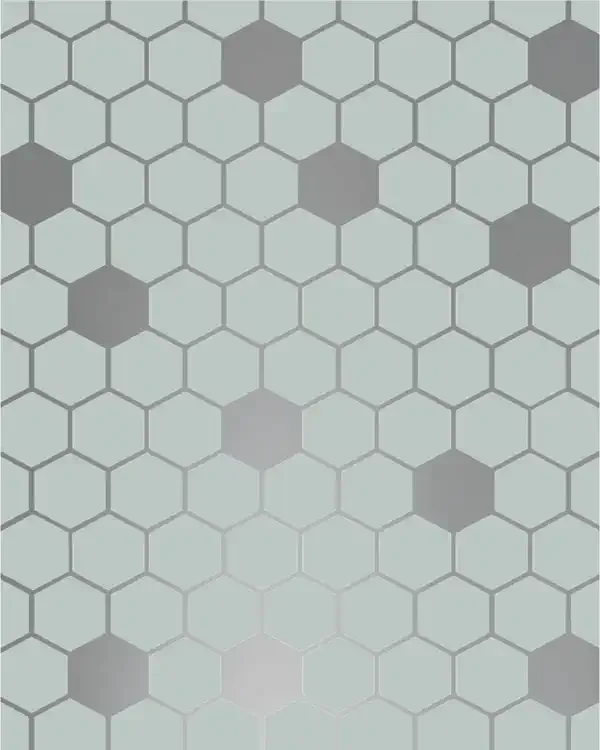
SM-151
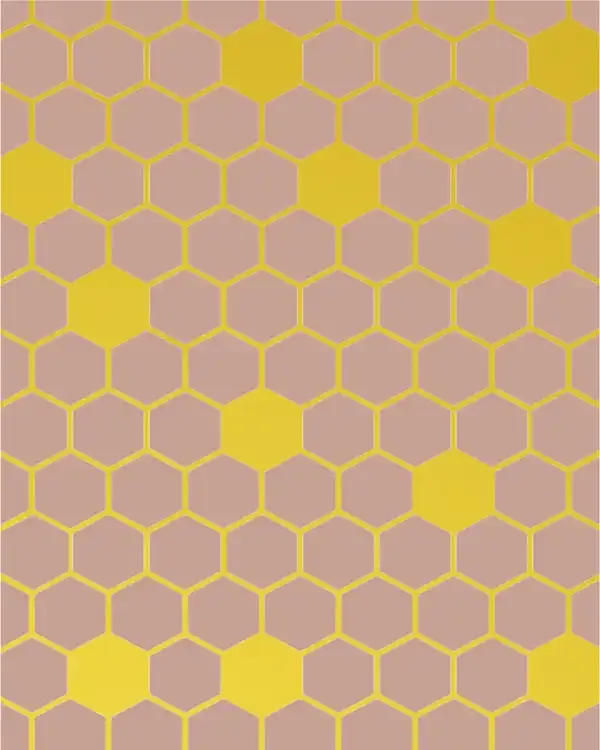
SM-152
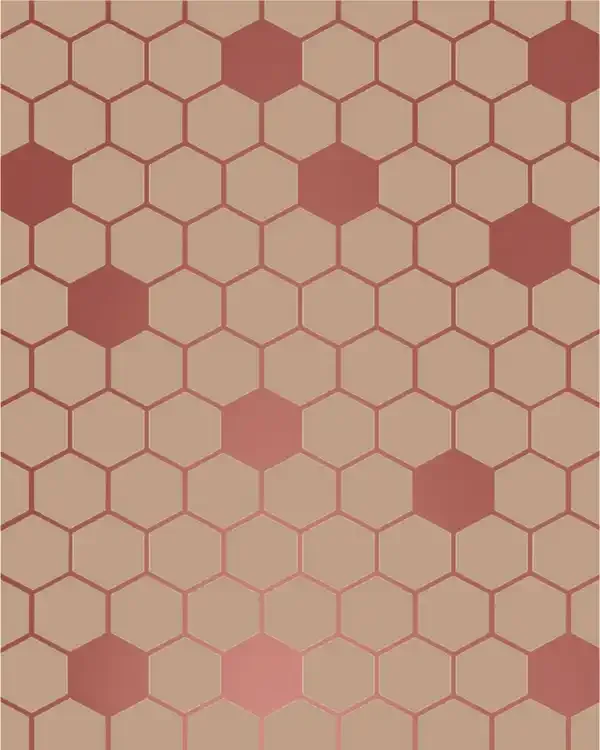
SM-153
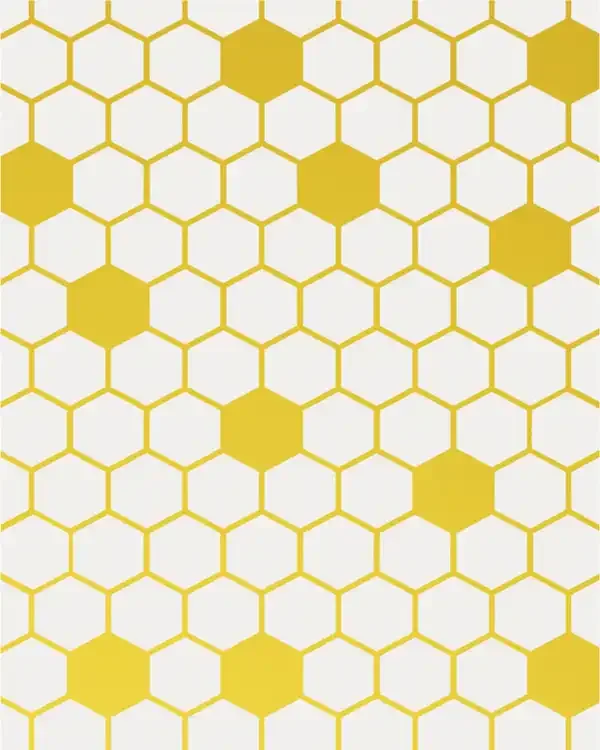
SM-154
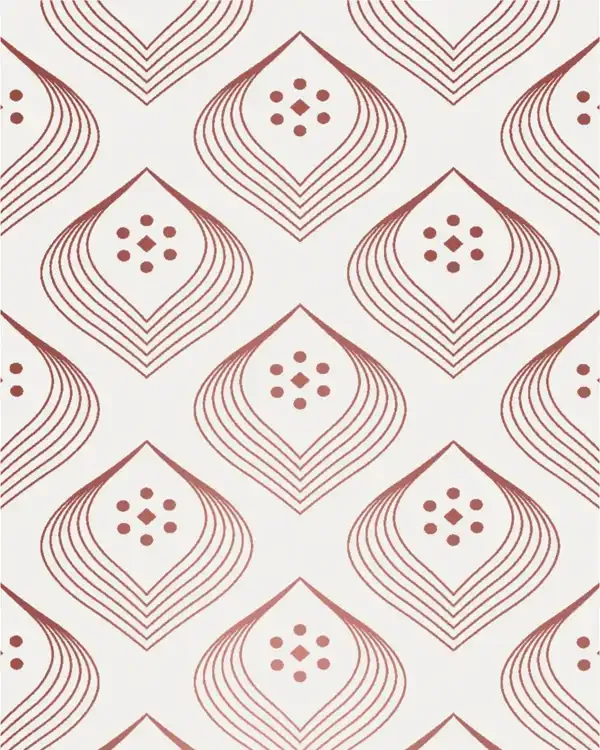
SM-155
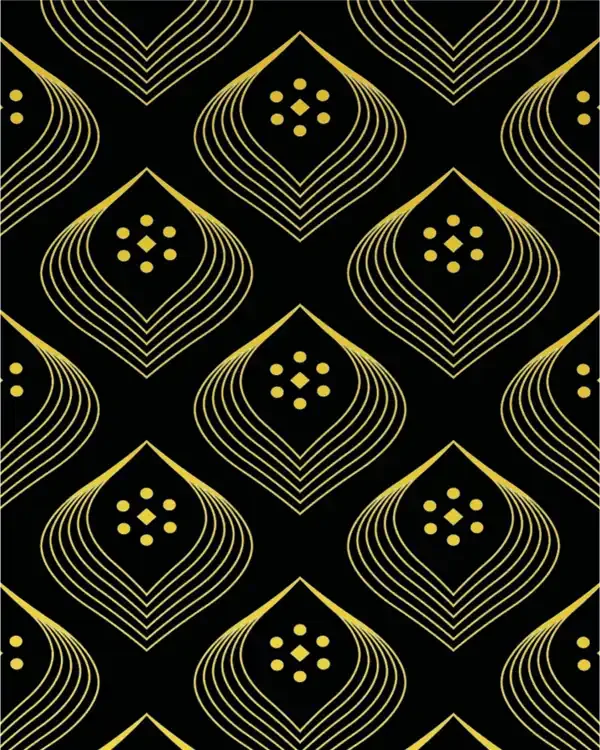
SM-156
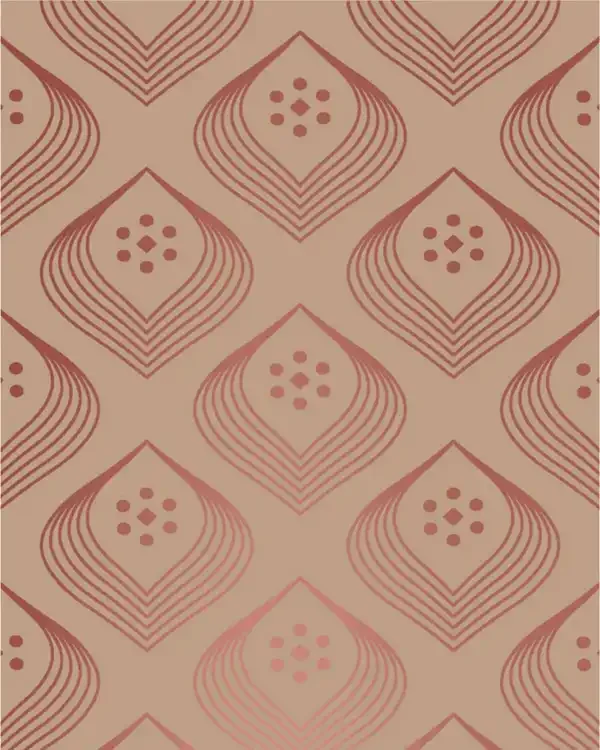
SM-157
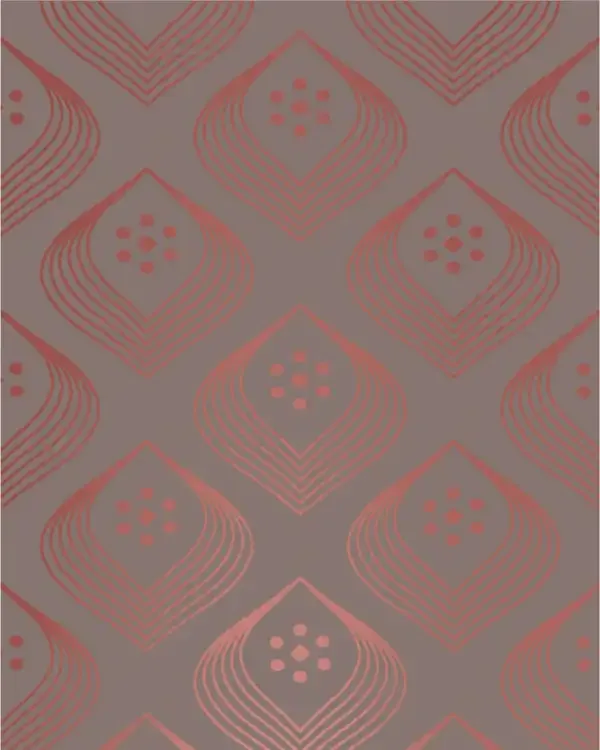
SM-158
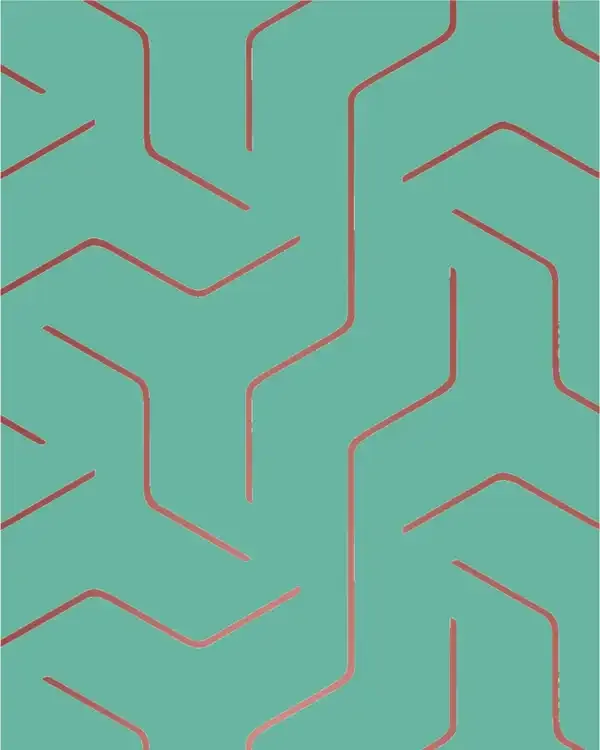
SM-159
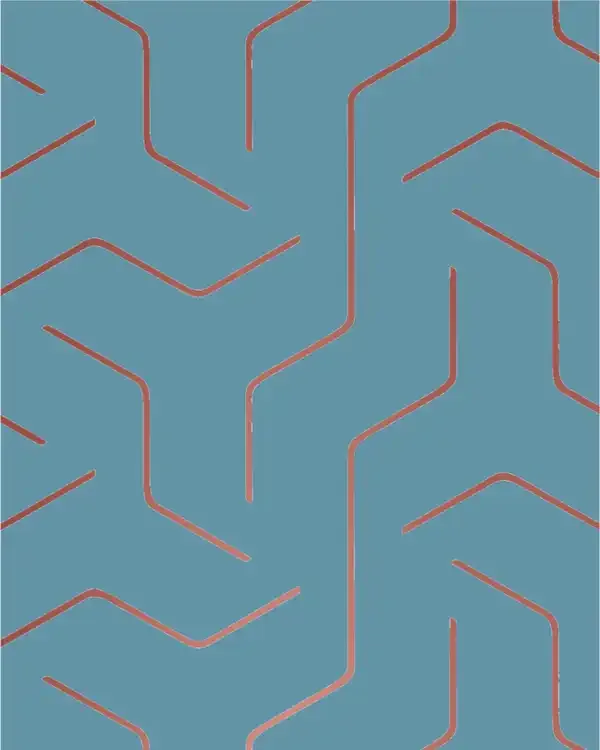
SM-160
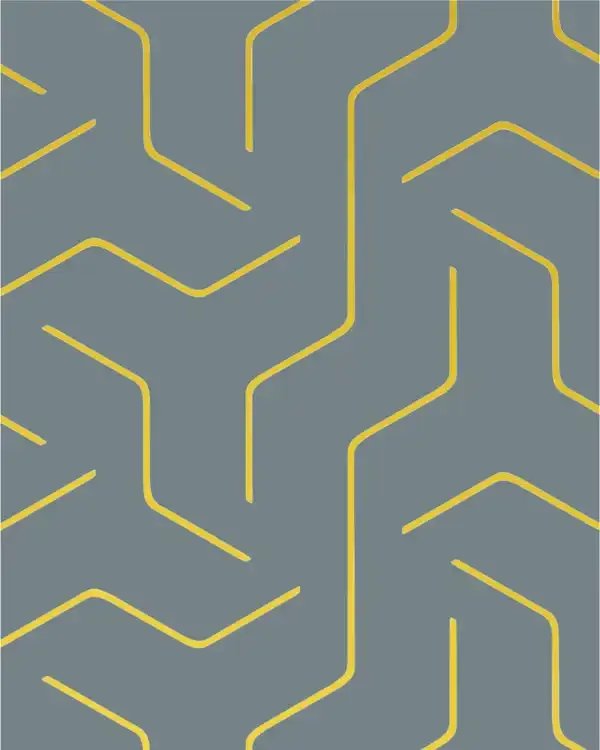
SM-161
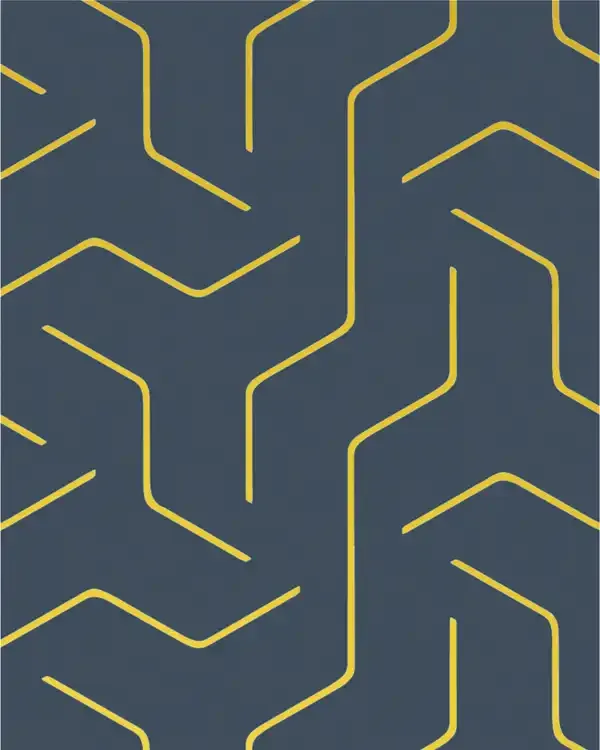
SM-162
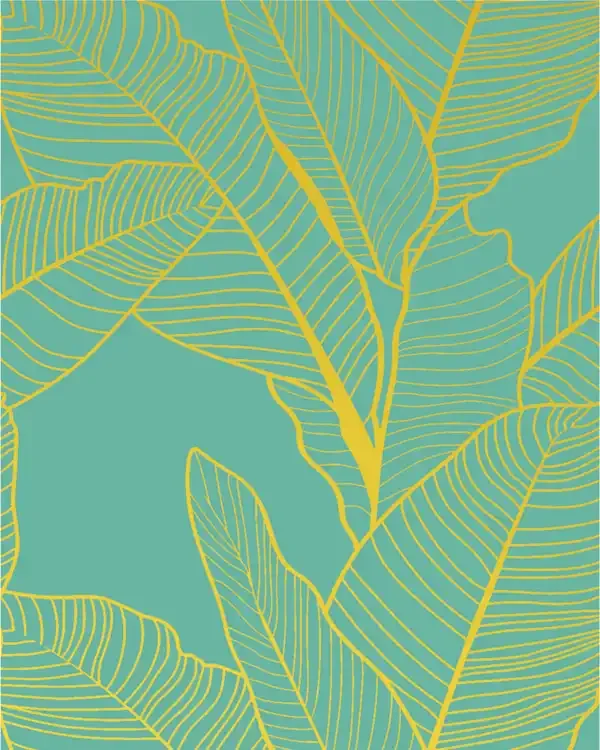
SM-163
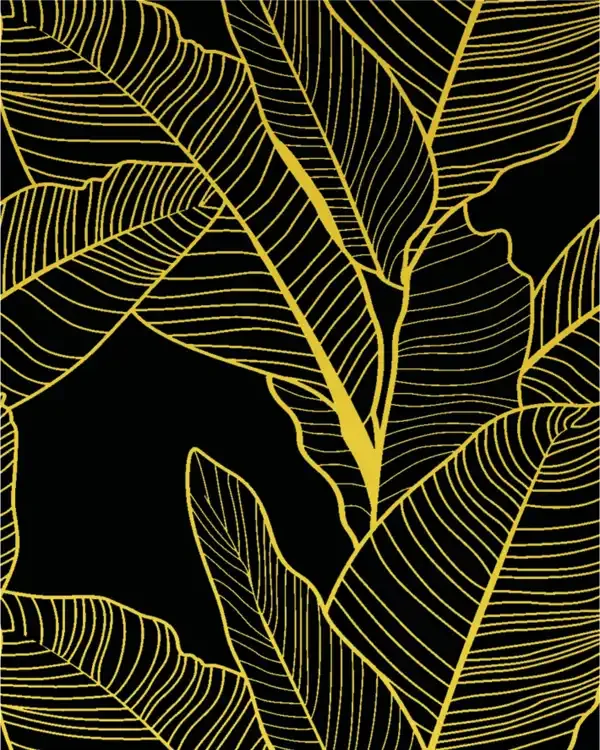
SM-164
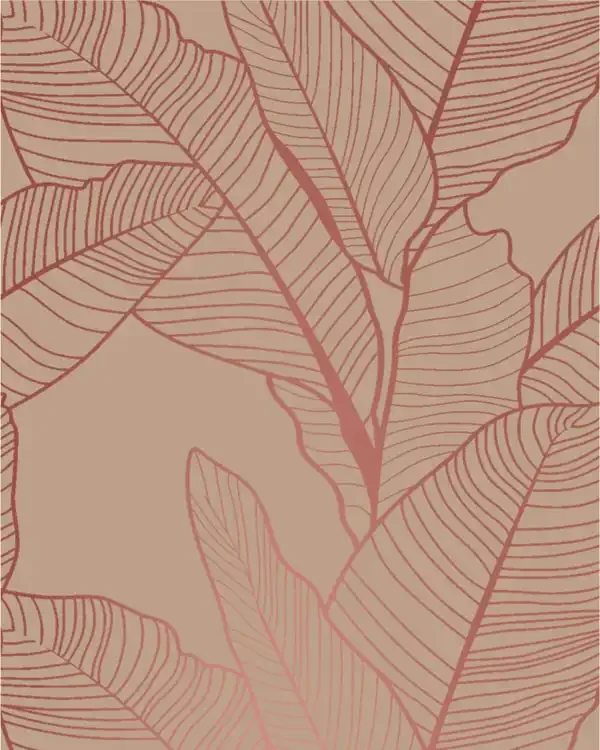
SM-165
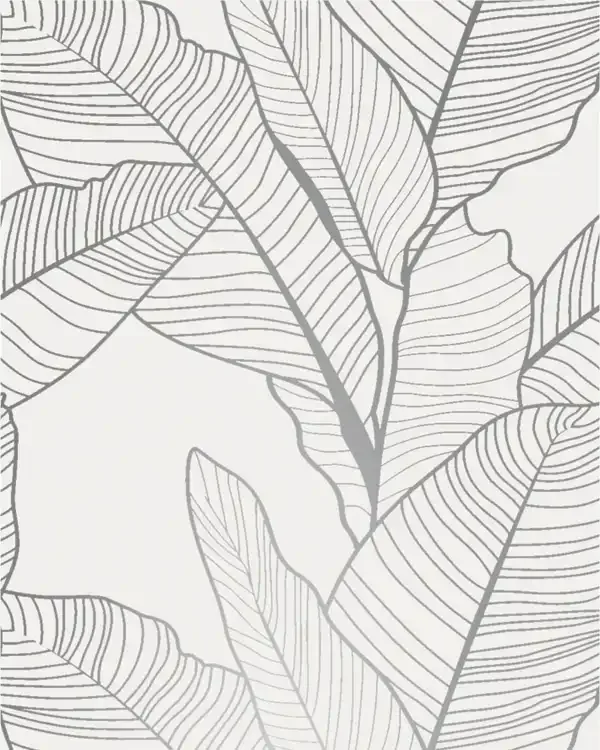
SM-166
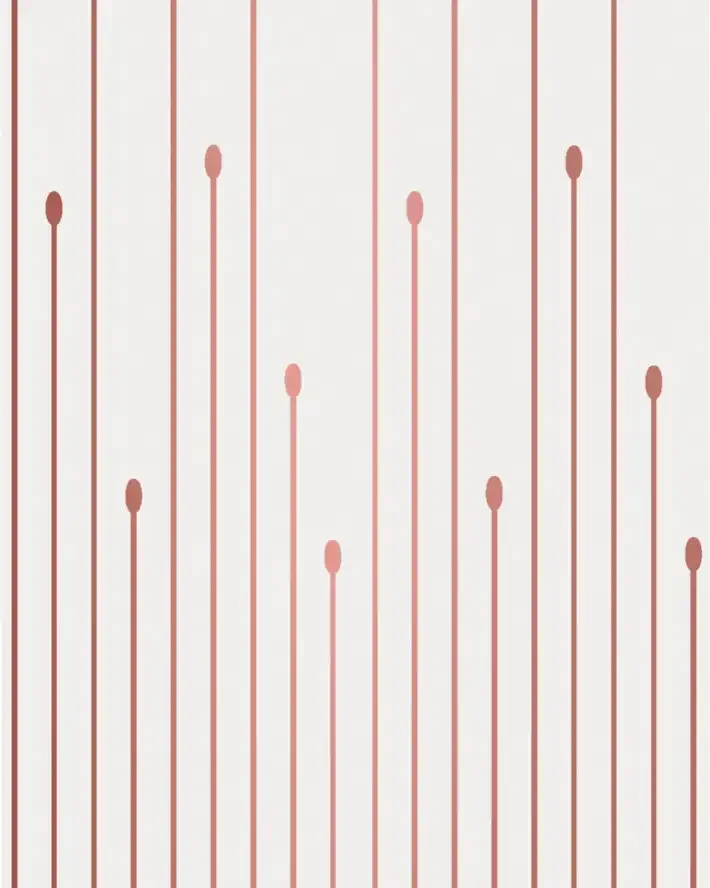
SM-167
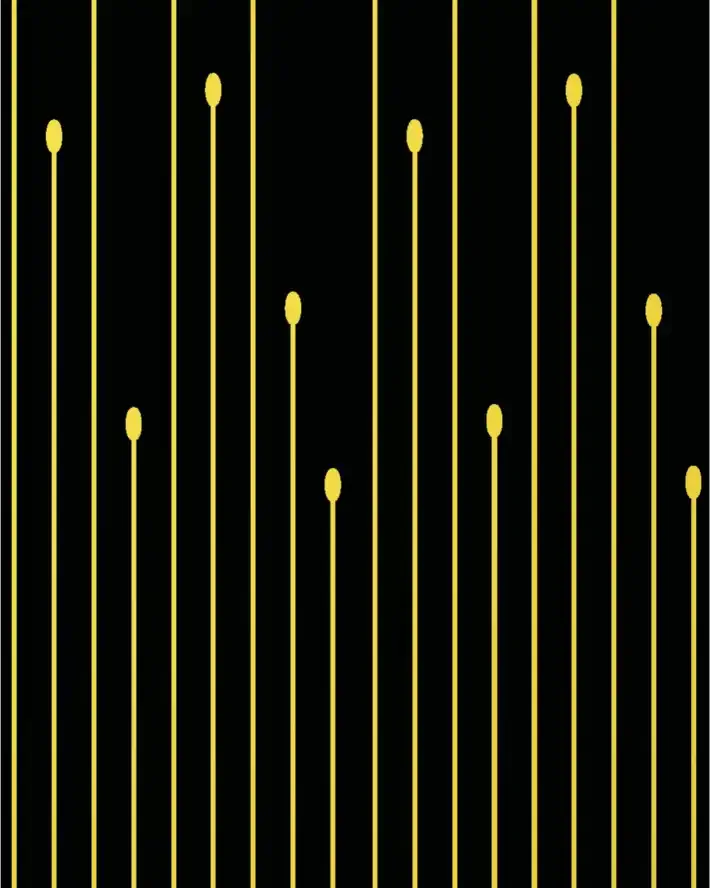
SM-168
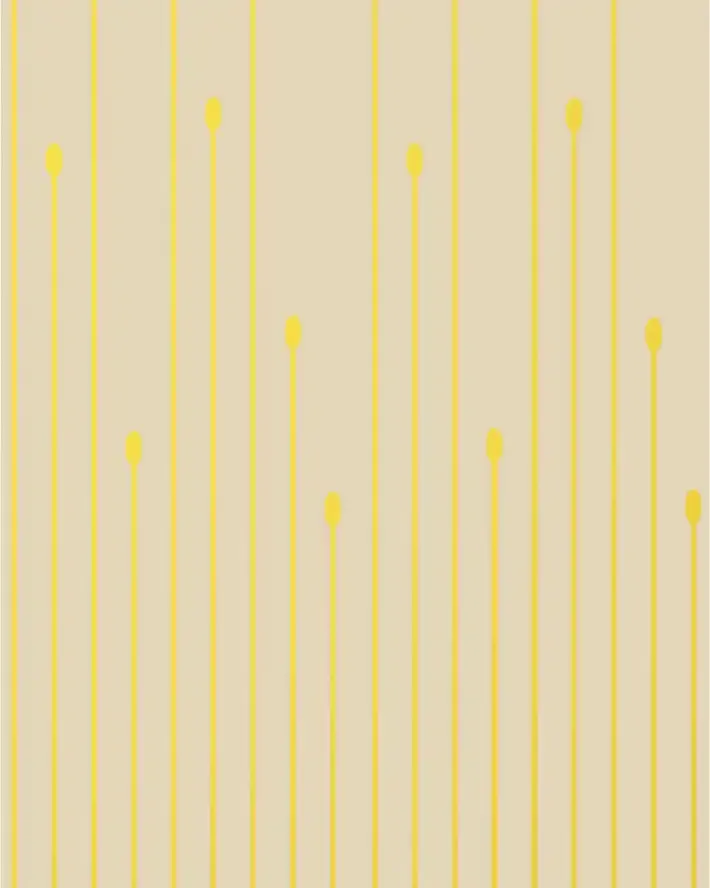
SM-169
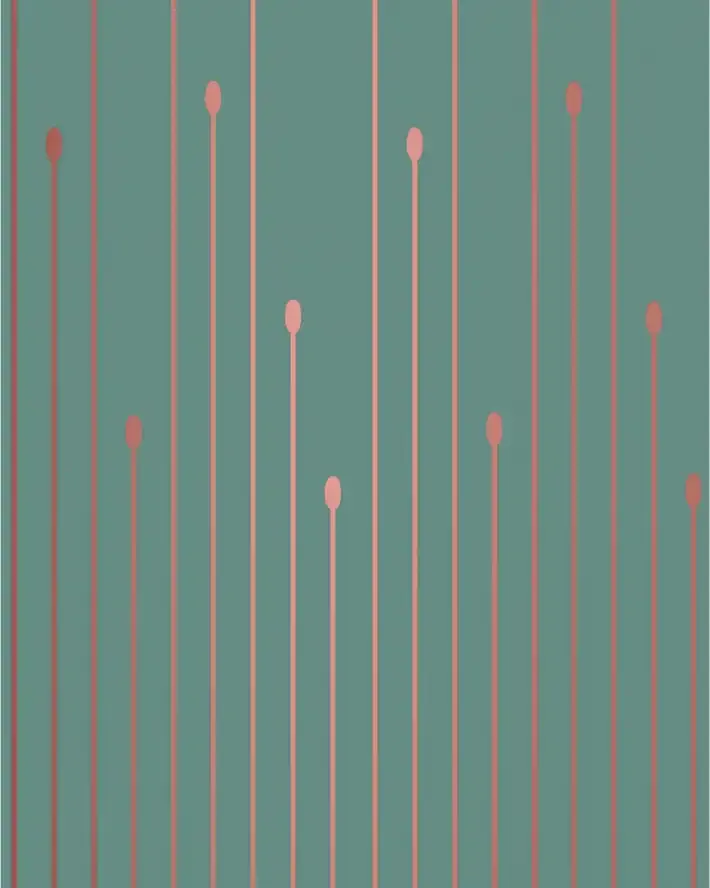
SM-170
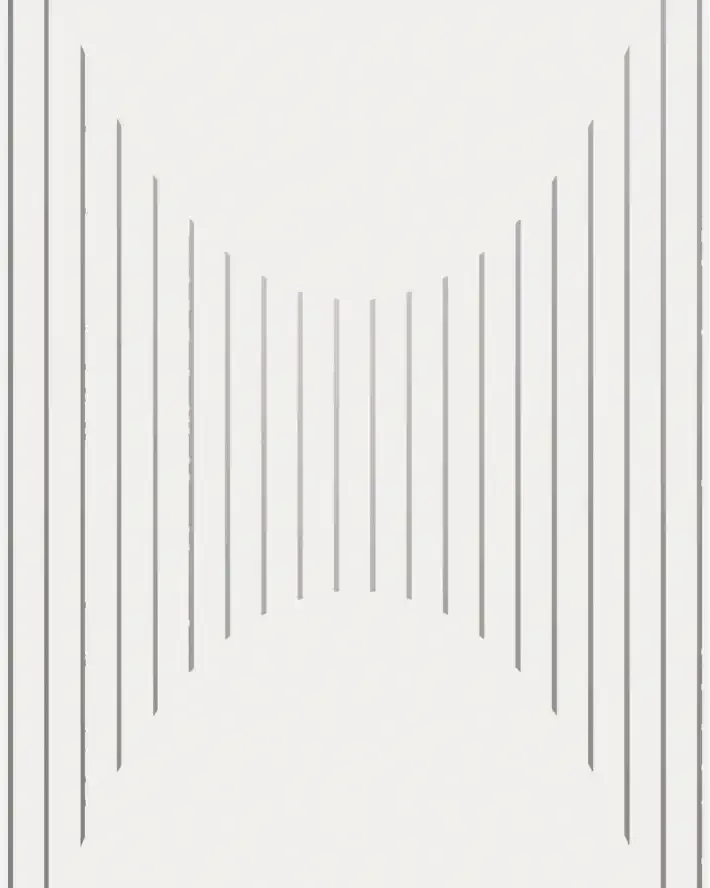
SM-171
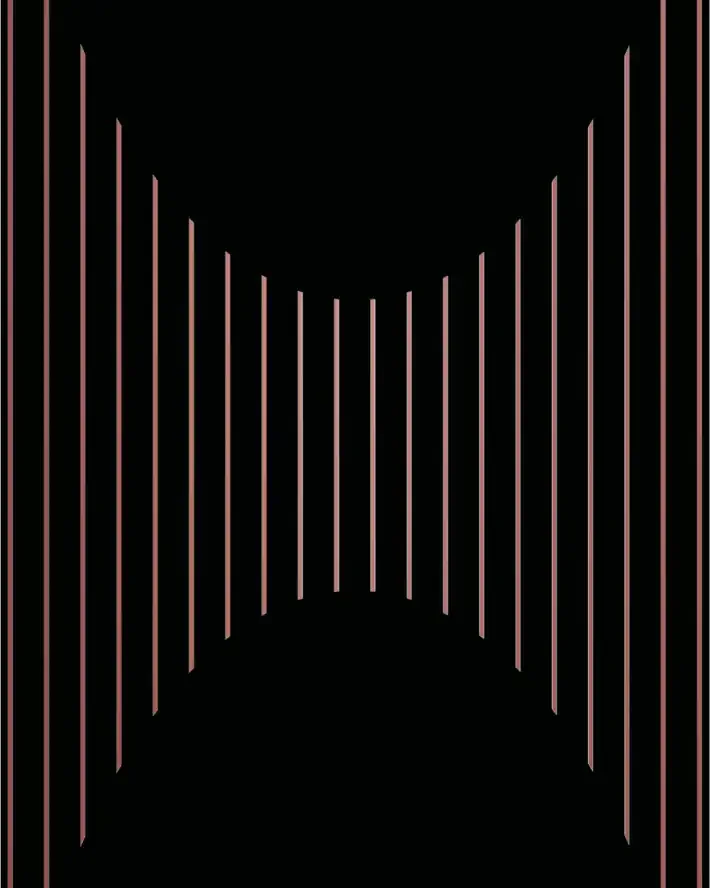
SM-172
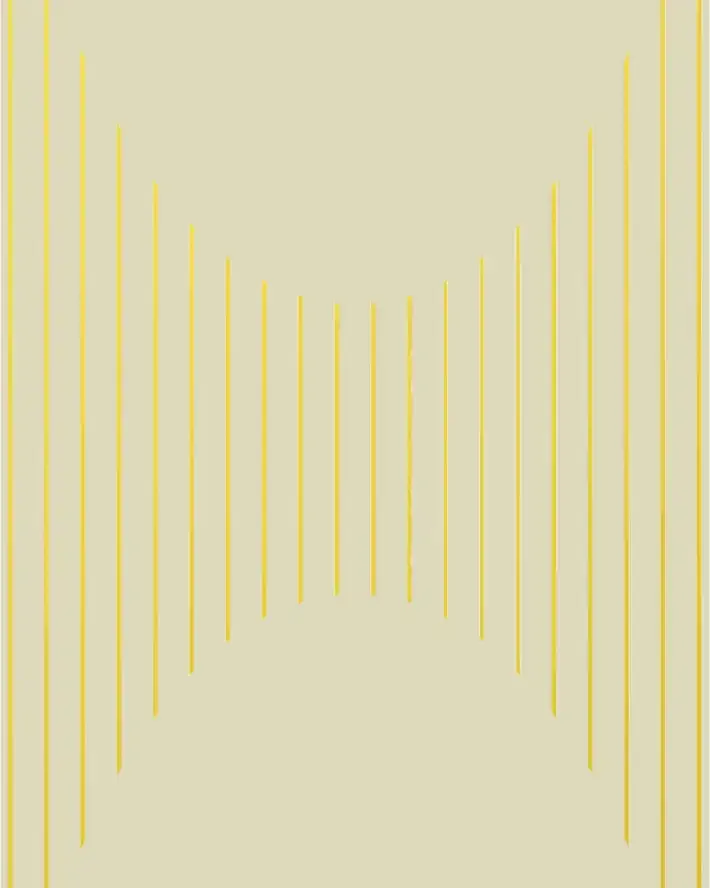
SM-173
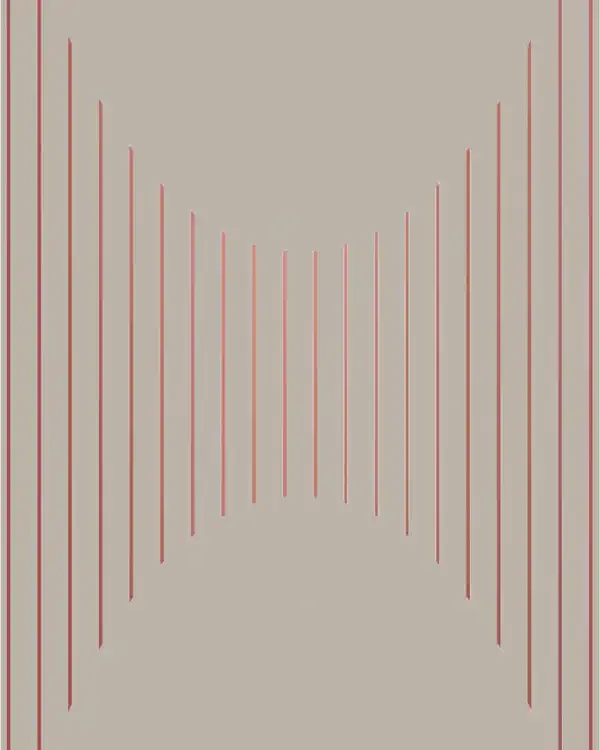
SM-174
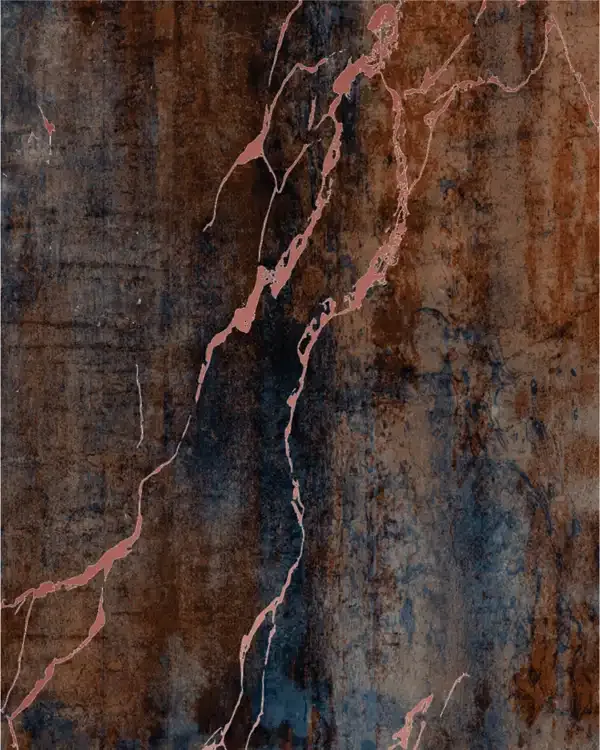
SM-175
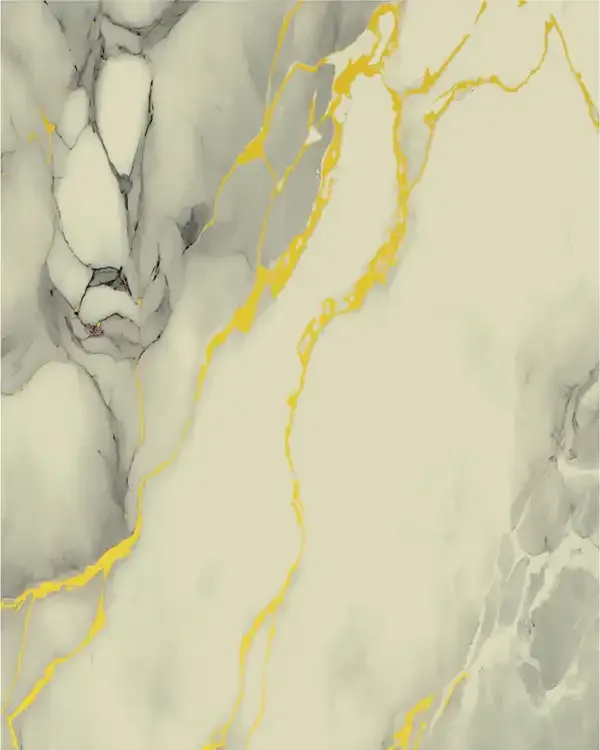
SM-176
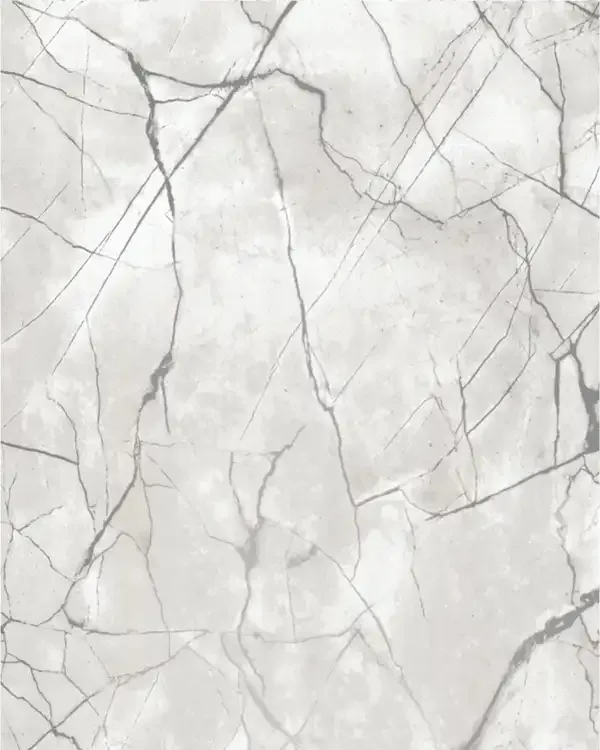
SM-177
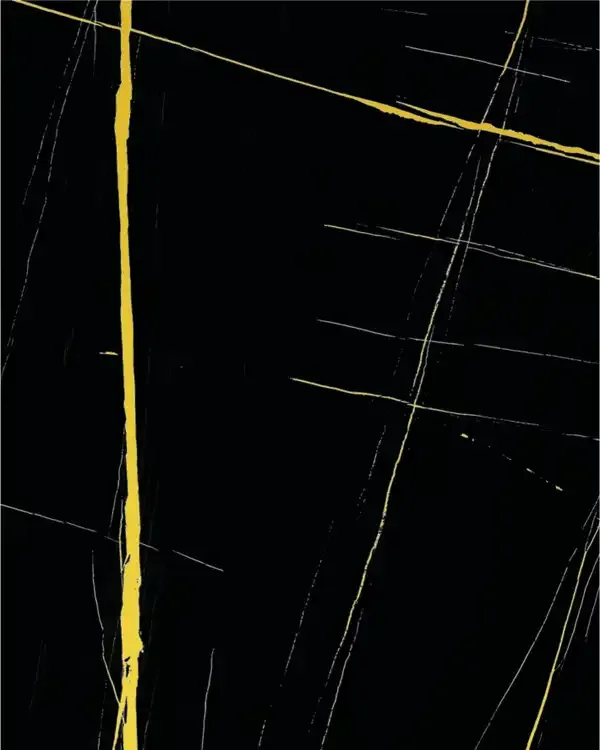
SM-178
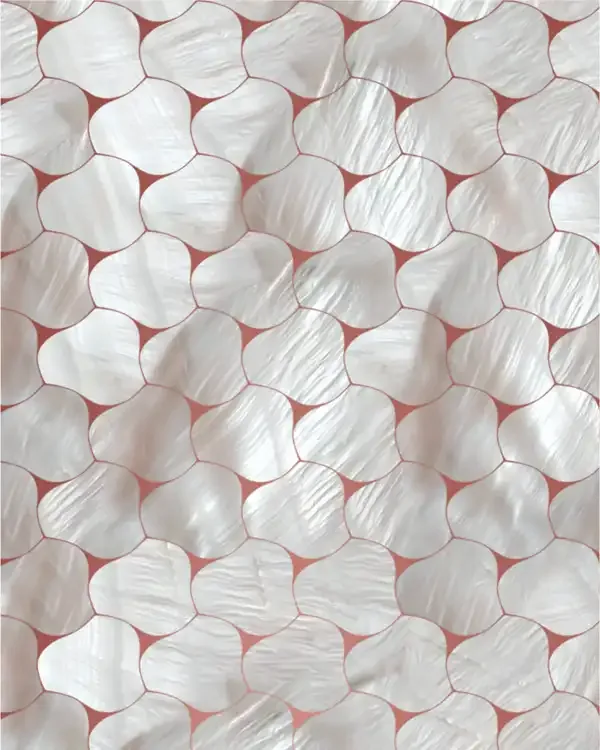
SM-179
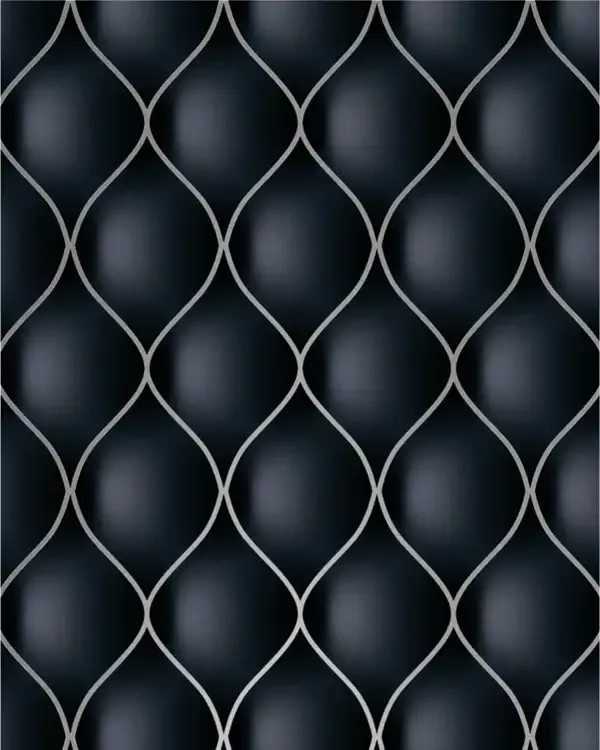
SM-180
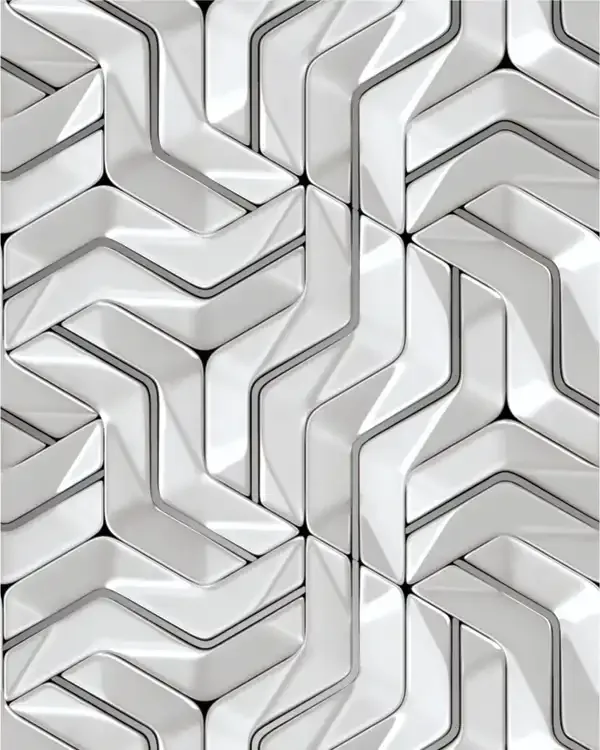
SM-181
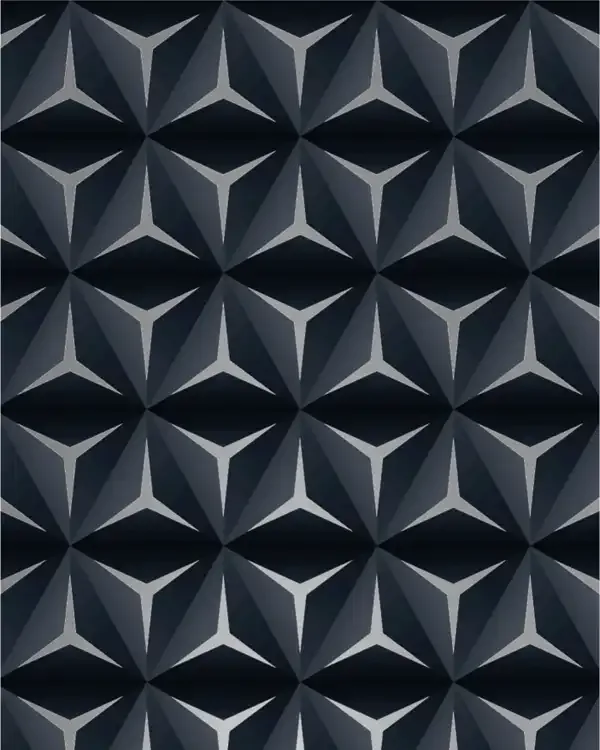
SM-182
Aynart Guide
Aynart Designer Wall Panels: Graphic Surfaces for Defined Interiors
Aynart is Mark Decor’s patterned interior-surface collection with 32 SM product codes, SM-151 through SM-182, in the supplied PIM export. Its design identity is founded on graphic variety: honeycomb networks, graceful curved diamonds, angled strokes, botanical leaf drawings, slender stripes, hourglass lines, marble-look movement and later faceted surfaces. A room can therefore adopt an Aynart pattern that is restrained and almost linear or one that becomes a clear architectural focal point.
The best way to use this subcategory is to identify the motif and colour balance before examining each product. These are designer patterned wall panels in the collection’s visual positioning; the reviewed PIM descriptions do not independently establish their substrate material, thickness or universal surface finish. For a material-dependent installation, the technical sheet and manufacturer guidance remain essential.
How Aynart Differs from the Other Mirror Art Collections
Mark Decor’s broader Mirror Art category contains several design paths. The MR range emphasises ornamental circles, patterned marks and mineral-look artworks, while Cane Art focuses on the appearance of interlaced cane, mesh and weave. Aynart has its own repeated motifs, often combining an organised line pattern with a carefully chosen background colour. That distinction helps designers navigate to a specific style instead of treating every decorative sheet as the same type of product.
This page therefore gives Aynart a dedicated search purpose: geometric and botanical designer wall panels with product-specific colourways. The parent category remains the place for comparing collections, and individual SM pages remain the place for detailed shade and pattern descriptions. Keeping these responsibilities separate produces more helpful navigation and reduces competing near-duplicate articles on the same website.
Honeycomb Geometry: SM-151 to SM-154
The first four SM designs explore connected hexagonal or honeycomb-inspired structures. SM-151 has a soft mint-blue impression with grey accents; SM-152 pairs a taupe base with warm gold-looking lines; SM-153 uses beige and rose tones; and SM-154 combines a brighter white field with fine golden-looking details. The underlying geometry stays orderly, yet the palette changes how strong or gentle the finished decorative effect appears.
Honeycomb patterns can be useful in a contemporary reception, office backdrop or furniture-integrated wall where the surface must add structure without the directional pull of long stripes. Small-scale geometric lines also reward closer viewing, so lighting and furniture placement matter. Compare whether the room needs a bright background, a muted warm neutral or a bolder gold-on-taupe effect before selecting a specific SM code.
Curved Diamonds and Ornamental Repeats: SM-155 to SM-158
The next group turns away from strict hexagons and toward curved diamond motifs with dotted decorative details. SM-155 uses rose-coloured lines over a light ground; SM-156 heightens the contrast with black and gold-looking detail. SM-157 favours peach and rose tones, while SM-158 presents a restrained grey-taupe appearance. The curved outlines add a softer rhythm than angular geometric grids.
Such repeated ornaments can create an elegant background for a sofa, dressing console or bedhead, particularly when the surrounding architecture remains simple. A light patterned wall might sit beside timber and cream fabrics, whereas a dark motif could be reserved for a narrow feature. The selection should reflect the full interior composition rather than a claim that one particular pattern is suitable for every room type.
Angular Lines and Contemporary Colour: SM-159 to SM-162
SM-159 through SM-162 create a sharper visual character through broken or angled strokes. The range includes teal, blue, slate-grey and deeper charcoal backgrounds with warm line accents. Their abstract geometry has a more energetic quality than a symmetrical honeycomb repeat. The strongest versions can define a reception wall or feature niche when used with intentional lighting and restrained adjoining finishes.
Architectural interiors frequently combine straight cabinet edges, doors, shelving and lighting channels. An Aynart angular design can complement those elements by adding a second layer of directional detail. Avoid allowing different angled motifs to compete across adjacent walls. One featured panel arrangement beside solid painted walls or calm joinery may achieve more visual clarity than applying the strongest geometric treatment everywhere.
Botanical Line Art: SM-163 to SM-166
The botanical group replaces grids with leaf-like drawings. SM-163 uses gold-looking foliage over turquoise, SM-164 makes a dramatic shift to a black ground, SM-165 introduces softer warm beige and rose shades, and SM-166 pairs a light backdrop with grey leaf artwork. These differences let a designer use botanical language without assuming every leaf design belongs to an earthy green palette.
Botanical wall art can help soften a space filled with rectangular cabinetry and sharp modern furniture. A small section behind a console, a lounge corner or a hospitality seating area may benefit from the contrast between natural-looking outlines and architectural forms. The motif is an illustration on the decorative surface; it should not be marketed as actual leaves, hand-carved foliage or a technical organic coating without supporting evidence.
Vertical Pinstripes and Dot Details: SM-167 to SM-170
Aynart’s vertical-line products include SM-167 with a light field and rosy strokes, SM-168 with black and gold-looking stripes, SM-169 with a soft cream and gold-looking arrangement, and SM-170 with a rich teal background and warm thin lines. Dotted accents prevent the pattern from reading as a simple continuous stripe. The result is a measured decorative repeat rather than a large illustration.
Vertical patterns can change the perceived rhythm of a wall, particularly beside tall wardrobes, pilasters or narrow furniture panels. They may suit spaces where the main goal is a clean visual line rather than an ornamental medallion. Check the real panel orientation before installation: rotating a pattern or interrupting its stripes at an awkward junction can alter the intended appearance.
Hourglass Lines and Flowing Vertical Geometry: SM-171 to SM-174
The hourglass group uses slender vertical strokes that curve toward and away from each other. SM-171 takes a clean white and grey direction; SM-172 contrasts black with rose-coloured lines; SM-173 combines a soft cream base and gold-looking artwork; and SM-174 offers a restrained greige and copper-toned interpretation. Each keeps an elongated directional structure while changing the room’s mood through colour.
Compared with ordinary pinstripes, these lines form a visible repeated silhouette. The motif can bring movement to a bedroom backdrop, media-wall surround or selected cabinet-facing feature. Leave enough clear surface for the curves to be seen, and consider how wall-mounted accessories intersect with the design. A well-chosen narrow feature may be better than a full-room repeat if the space already contains patterned textiles.
Marble-Inspired Looks and Later Graphic Designs: SM-175 to SM-182
The later Aynart codes are visually varied. SM-175 through SM-178 use marble-inspired movement, including dark brown, ivory, white-grey and black grounds with coloured veining. SM-179 introduces an organic pebble-petal look; SM-180 presents a darker quilted lattice appearance; and SM-181–182 move into light and dark faceted geometry. This variety extends Aynart beyond its line-pattern origins without turning it into a separate natural-stone or rigid 3D product family.
Describe these accurately as marble-look or dimensional-looking printed designs where the evidence comes from product images and PIM descriptions. A photographed faceted effect does not prove a physically raised texture, and a stone-inspired image does not establish natural marble composition. For kitchen, wardrobe or wall use, verify the construction and compatibility before making functional promises.
Colour Coordination, Light and Pattern Scale
Colour is one of Aynart’s clearest selection tools. Light designs can work beside warm timber, subtle metal-coloured fixtures and pale upholstery. Deep charcoal and black grounds give warm line motifs greater contrast; teal and blue designs can provide a deliberate accent in neutral rooms. Rose and copper-toned patterns may help connect furniture hardware with other decorative elements, provided the entire colour palette remains considered.
For small repeated motifs, step back several metres to judge the combined effect. Test warm and cool lighting if samples are available, and remember that screen images may differ from installed colours. The goal is to choose an appropriate amount of pattern for the size of the room and the position of the feature. An expressive panel can be more effective when neighbouring surfaces remain quiet.
Practical Specification and Product-Code Selection
The reviewed PIM export documents Aynart’s visual design descriptions and the SM-151–SM-182 code sequence. It does not supply a dependable shared sheet size, substrate composition or thickness for this article. Those values should not be copied from the neighbouring MR catalogue. Before calculating material, approving an adhesive, promising wet-area suitability or detailing a joint, obtain Aynart-specific technical documentation.
When requesting a product, supply the exact SM code and clarify the intended application. Note whether the surface will sit behind a console, near an opening, on a furniture face or along a corridor. Verify handling, cleaning, edge treatment, installation substrate and any limitations before building a final quotation or specification. Clear identification and appropriate samples prevent confusion between visually similar colourways or different pattern groups.
Discover the Correct Aynart Design for the Room
Begin with the desired pattern language: honeycomb for ordered geometry, curved ornaments for softness, angular designs for energy, botanical outlines for a natural-looking gesture, or vertical patterns for controlled rhythm. Then choose a colour family and compare the exact product images under the anticipated lighting. A catalogue selection is more reliable when checked against nearby furniture and the size of the intended wall.
Explore the individual Aynart product pages to compare SM variants rather than assuming all 32 are interchangeable. For different decorative approaches, the parent Mirror Art category provides links to the MR ornamental and marble-look range and the woven-style Cane Art range. Aynart remains the specialist destination for graphic and botanical decorative pattern searches.