Infinite
Infinite is Mark Decor's Alpha-Beta Series of high-grade PVC louvers created for coordinated decorative wall compositions. Each of the 12 designs pairs a 170-mm Alpha patterned ...
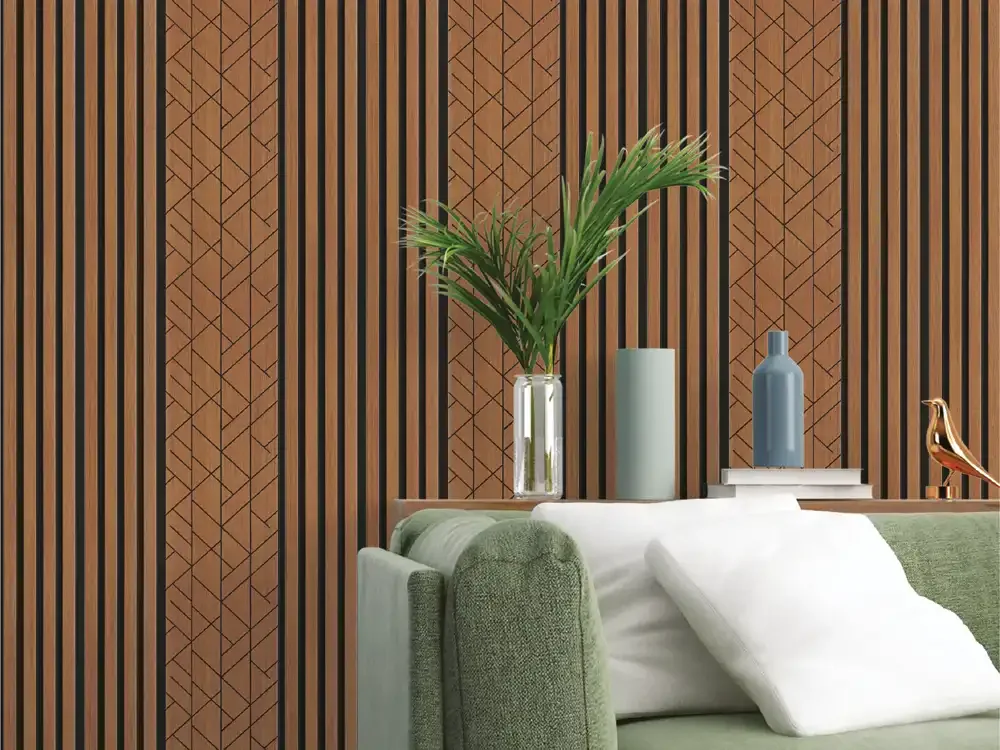
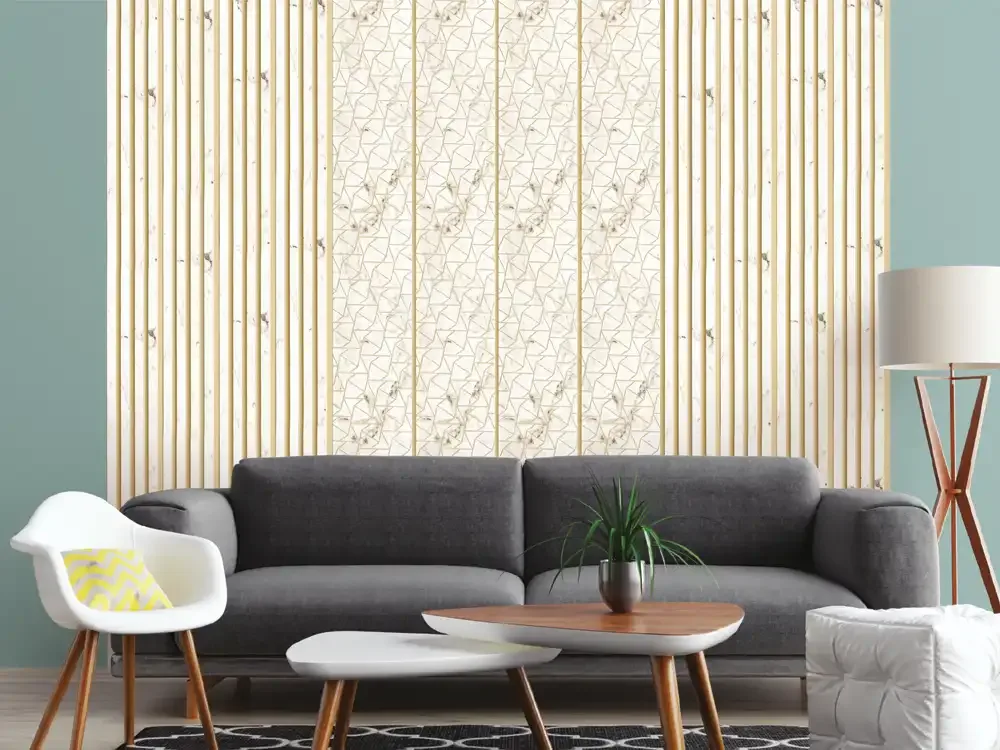
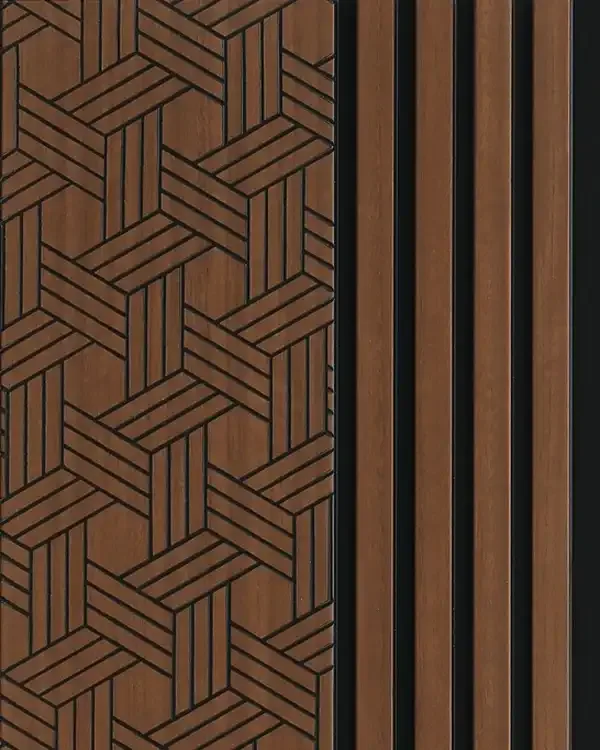
ALPHA BETA - 01
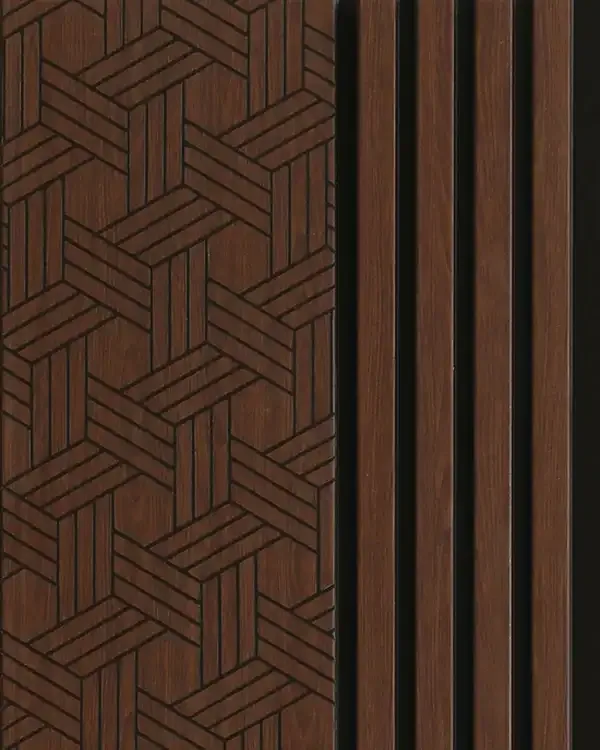
ALPHA BETA - 02
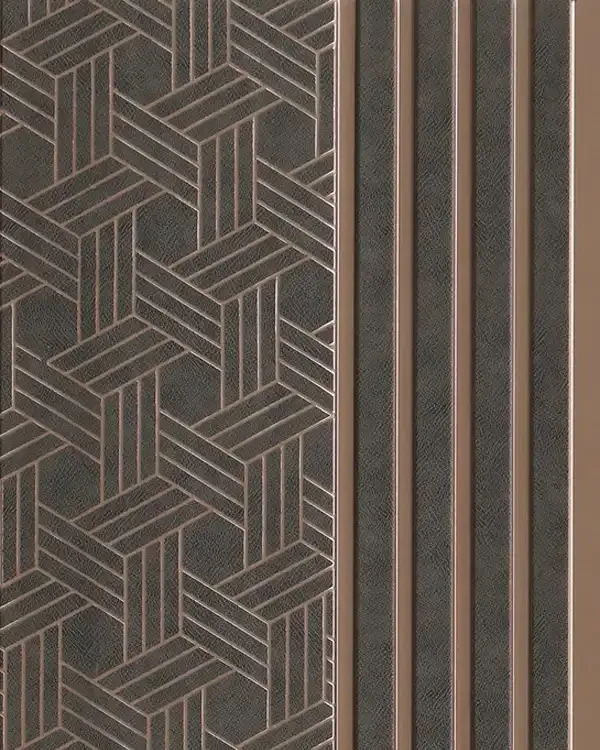
ALPHA BETA - 03
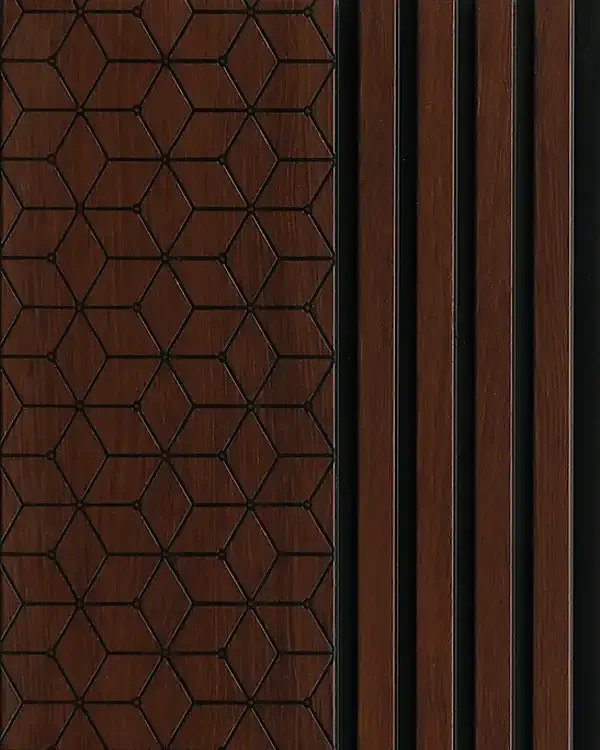
ALPHA BETA - 04
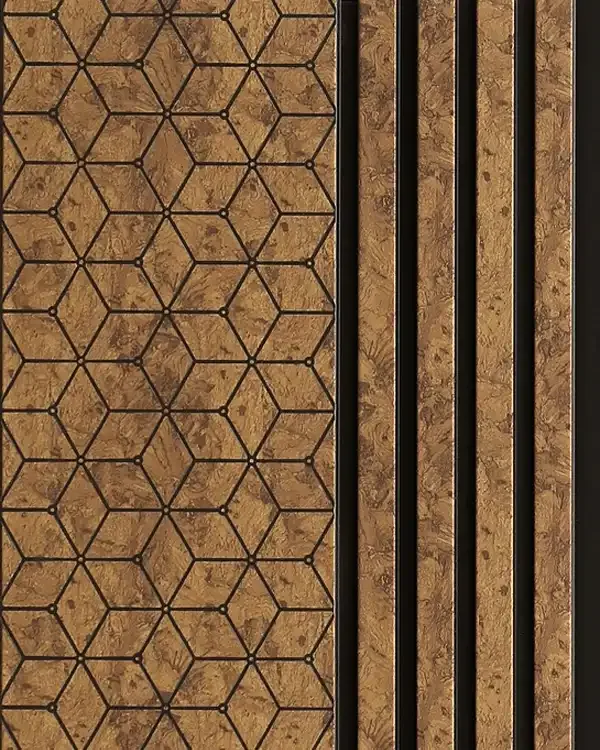
ALPHA BETA - 05
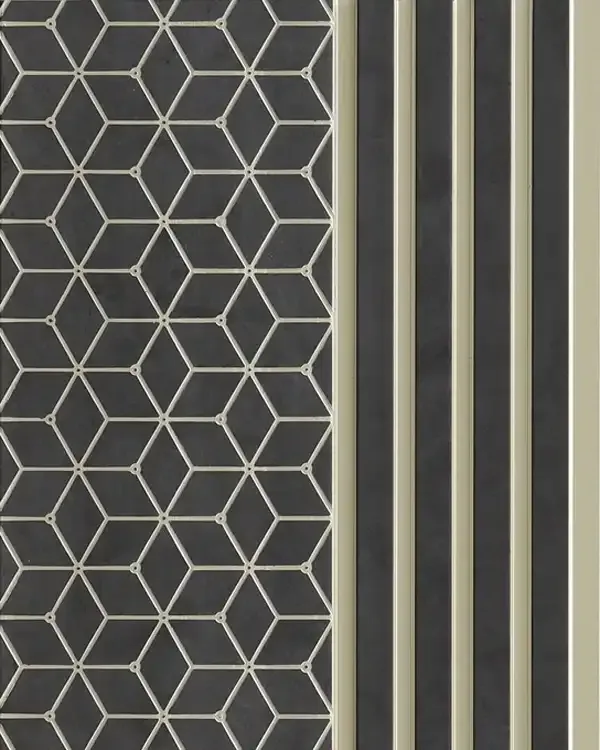
ALPHA BETA - 06
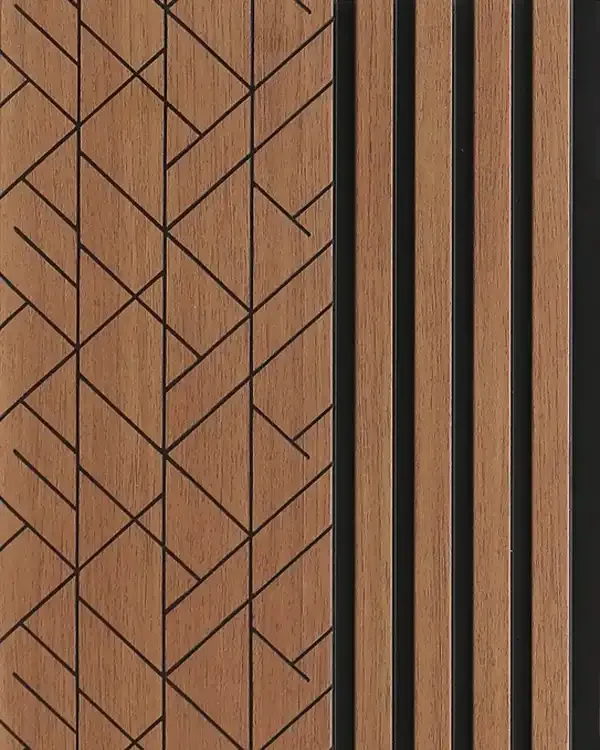
ALPHA BETA - 07
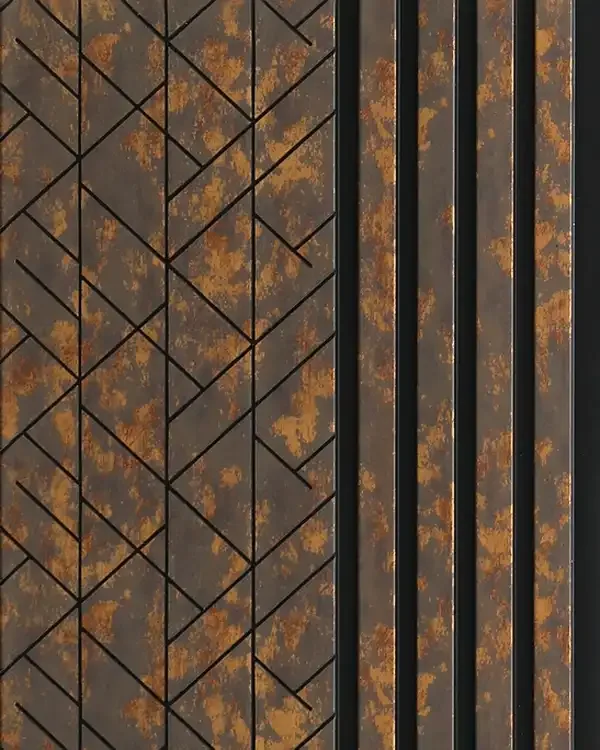
ALPHA BETA - 08
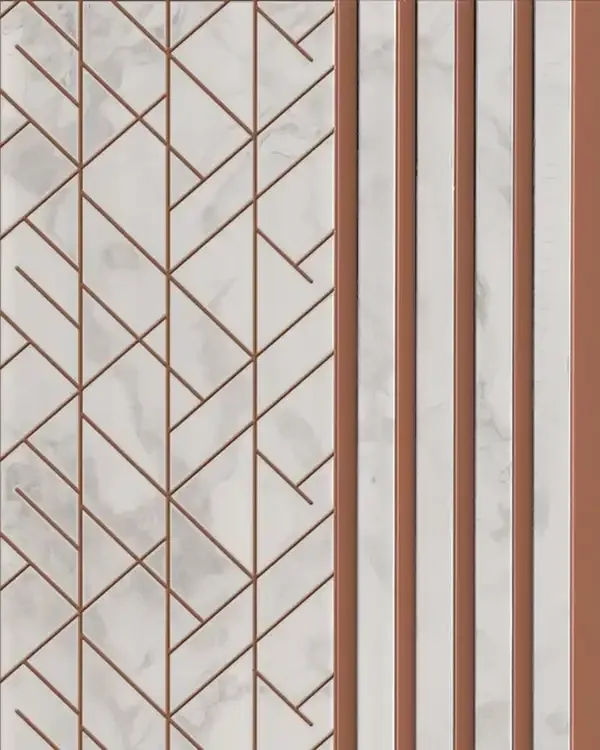
ALPHA BETA - 09
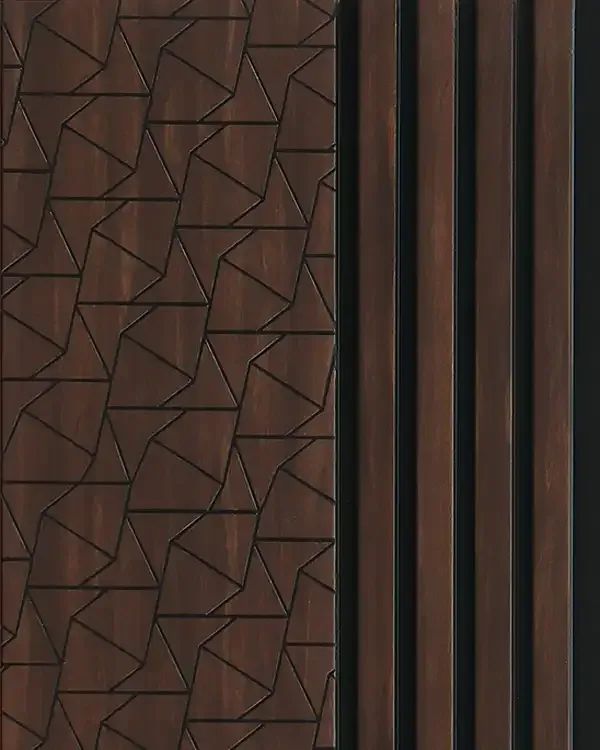
ALPHA BETA - 10
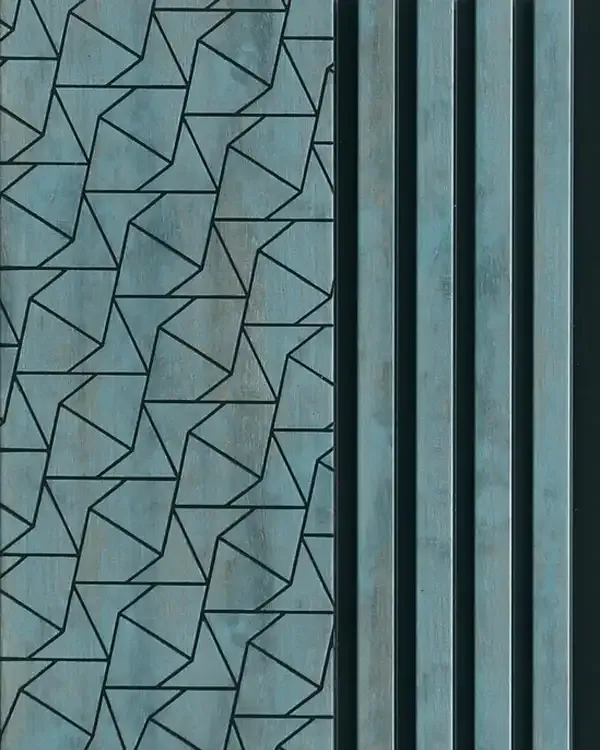
ALPHA BETA - 11
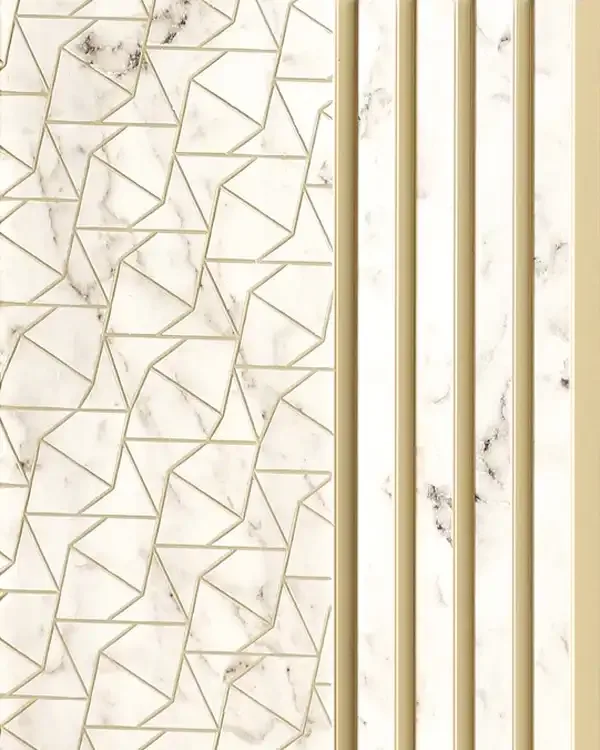
ALPHA BETA - 12
Infinite Guide
Infinite Louvers: A Paired Alpha–Beta Wall Design System
Infinite by Mark Decor is distinguished by a coordinated two-profile design idea. Each of its 12 combinations pairs a decorative Alpha panel with a complementary Beta linear panel. Instead of choosing only a colour, the designer can choose how much pattern, rhythm and visual contrast to introduce by varying the relationship between the two profiles. The series is best understood as a flexible composition system rather than a generic collection of interchangeable wall strips.
The Alpha side introduces stronger visual movement through shapes and pattern; Beta offers a steadier sequence of vertical lines. Used together, they can create an ordered feature without applying the most expressive texture from edge to edge. That distinction is the main reason to consider Infinite for a reception backdrop, a sofa wall or a media-wall elevation in which some sections need to be quieter than others.
What Makes Alpha and Beta Different
The existing PIM series information specifies an Alpha profile width of 170 mm and a Beta profile width of 115 mm. Alpha panels carry decorative elements such as cubes, interlocking geometry, angled lines, wood and marble looks, or metallic-style texture. Beta profiles continue the same colour family in more restrained vertical ribs. The difference in width and visual density gives designers two kinds of rhythm for one wall.
A layout can place Alpha as a central field and Beta as a border, alternate modules for a measured repeat, or concentrate the patterned treatment behind a piece of furniture. There is no single correct ratio between the two components. The right balance depends on wall width, door openings, the furniture elevation and whether artwork, shelving or a television occupies the surface.
Planning a Combination Rather Than Repeating One Panel
Start with the main viewing point. In a living room, that might be the sofa; in a reception, the visitor’s approach; in a bedroom, the bed entrance. Sketch the wall face before deciding whether patterned Alpha should fill its centre or form a narrower accent. The complementary Beta can help connect the decorative zone to a plain adjacent surface. Too many shifts between the profiles may create visual noise, particularly on a short wall.
Pay attention to the width of each module and the edges of the composition. A visually symmetrical arrangement may not require the same count of Alpha and Beta panels on both sides, because their widths differ. The installer should confirm actual coverage and joining details from the current product information rather than rely on a quick area-only estimate.
Geometry, Wood Looks, Marble Looks and Metallic Effects
The Infinite family offers several styles rather than a single repeated pattern. The PIM describes wood-inspired finishes, marble-inspired appearances, interlocking geometric compositions and metallic-look decorative details across the 12 Alpha-Beta combinations. These descriptions refer to the visual treatment. A marble-look surface is not being represented as quarried marble, and a metallic-style pattern should not be treated as structural metal.
The atmosphere changes with both colour and geometry. Warm wood tones soften a patterned wall and may blend with timber cabinetry; pale marble effects can keep an entry bright; stronger angular motifs can suit a crisp contemporary room. A metallic accent often appears more pronounced under focused lighting. Compare the paired sample as a set, not the Alpha and Beta swatches separately.
How the Alpha–Beta Combination Supports TV Walls
In a TV-wall design, the screen and nearby storage are already strong visual elements. Infinite makes it possible to reserve Alpha for a focal strip or frame while extending Beta across a broader section. The vertical ribs can connect wall cabinets and a console into one composition without adding a second heavily patterned surface. The finish must still be judged under the room’s expected lighting so the panel does not create distracting reflections behind the screen.
Equipment mountings, cables, power outlets and ventilation should be planned independently of the decorative treatment. Where the wall is narrow, one geometric Alpha group beside a wider Beta field may read more clearly than a busy full-wall alternation. The exact arrangement should be checked in an elevation drawing and matched to the intended product codes.
Bedroom Panels with Controlled Detail
Behind a bed, Infinite can create a subtle shift between textured and calmer surfaces. A patterned Alpha field can mark the central headboard zone, while Beta continues the rhythm outward toward bedside furniture. The combination works particularly well when the bedding and upholstery are less patterned, allowing the wall surface to add character without becoming restless.
Light neutrals can keep the room open, while darker wood or charcoal-inspired schemes can feel more enveloping when balanced with warm lighting and pale soft furnishings. A physical sample should be considered from the same viewing distance as the bed, because close-up geometric detail may appear more dominant when repeated across several feet.
Reception Walls and Commercial Interior Compositions
A reception backdrop often needs to accommodate signage, lighting and a counter. The Alpha-Beta system can help separate the branded zone from the surrounding wall using texture rather than additional colours. Beta’s simpler linear appearance can provide a quieter field behind a logo; Alpha can be used beside that field for decorative contrast.
For office meeting areas and retail features, consistency between finishes matters as much as the profile pattern. Coordinate the panel tones with flooring, desks, shelves and nearby doors. Any installation in a high-use or regulated setting needs confirmation of the current product construction and project requirements; catalogue imagery alone does not establish suitability for every commercial site.
Infinite Series Specifications and Sample Checks
The PIM collection information describes 8-foot panels with 8 mm thickness for Infinite. It identifies the series as a high-grade PVC construction; that fact belongs in a technical specification, not the primary search phrase for the page. The defining design specification remains the relationship between the 170 mm Alpha and 115 mm Beta profiles.
Confirm the exact Alpha and Beta product pairing, orientation and current availability before ordering. Do not substitute a visually similar Beta from another combination without checking colour and texture. The final profile measurement and fixing instructions should be verified on current production samples, especially where exact height, trims or pattern transitions matter.
Making an Effective Alpha–Beta Layout
Begin with a proportion study on the actual wall elevation. Divide the wall into background zones, patterned zones and interruptions from doors or furniture. Try one layout with a central Alpha field and another using Alpha at an edge. The calmer Beta sections may make the whole composition feel larger, while the patterned sections give it a recognisable focal point.
Place lighting on the drawing before finalising the pattern. Grazing light can emphasise the lines in Beta and bring out the raised detail in Alpha. Under direct daylight, lighter surfaces may appear subtle and glossy accents may become stronger. Test the same pairing in the room rather than trusting a studio image viewed on a screen.
How Infinite Differs from Other Mark Decor Louvers
Infinite’s most useful distinction is not simply the number of finishes. It is the paired-profile construction, which lets one series support both geometric texture and restrained linear continuity. Volume - 5 and Volume - 7 are better approached as separate finish/profile collections; Volume - 6 is identified by its tall 120 mm format; 30 CM Louvera by its wide 300 mm face.
If your design concept depends on switching between compatible patterned and linear wall treatments, investigate Infinite first. If it depends mainly on a long uninterrupted plank length, a particular wide face or a different finish palette, the appropriate alternative collection may be a better starting point. That series-by-series choice prevents treating every Mark Decor louver as the same system.
Installation Coordination and Care
The chosen Alpha and Beta sections should share deliberate vertical alignment and a planned treatment at corners and edges. Before fixing, confirm that the receiving wall is stable and appropriate for the selected method, that panel ends align with any cornice or skirting, and that fittings will not land awkwardly on the most detailed portions of Alpha.
Care instructions should be taken from Mark Decor for the specific finish. Avoid assuming the same cleaner or site treatment will suit every surface appearance. For any moisture-prone, high-heat or special commercial installation, obtain current technical guidance rather than relying solely on the fact that the product is decorative wall cladding.