
Graffito Soft Panels
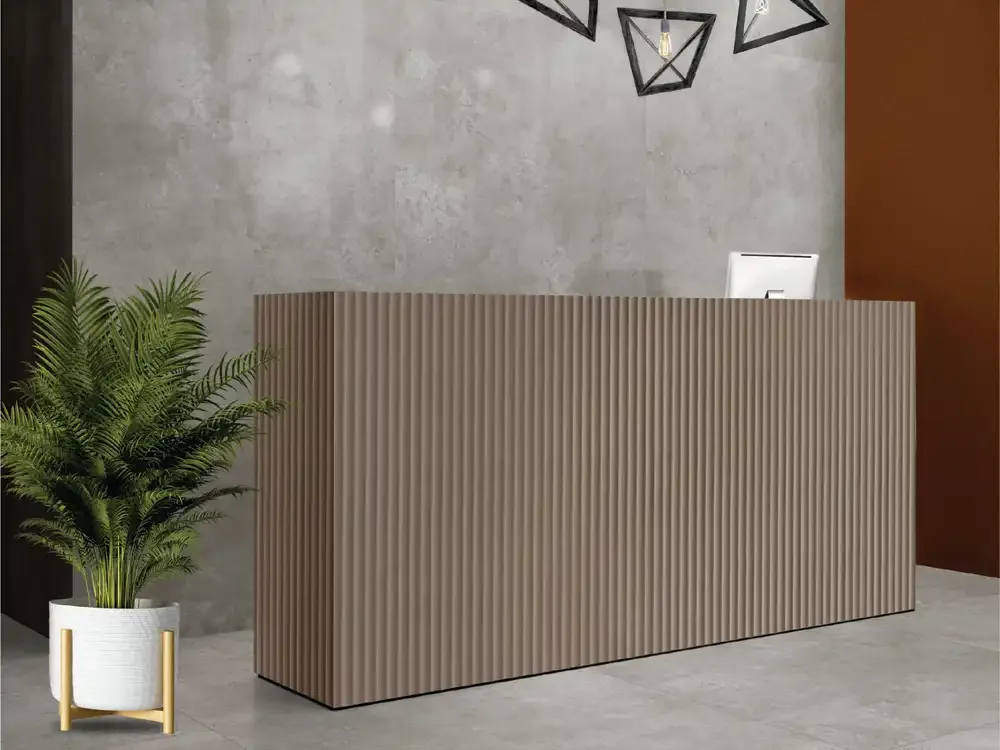
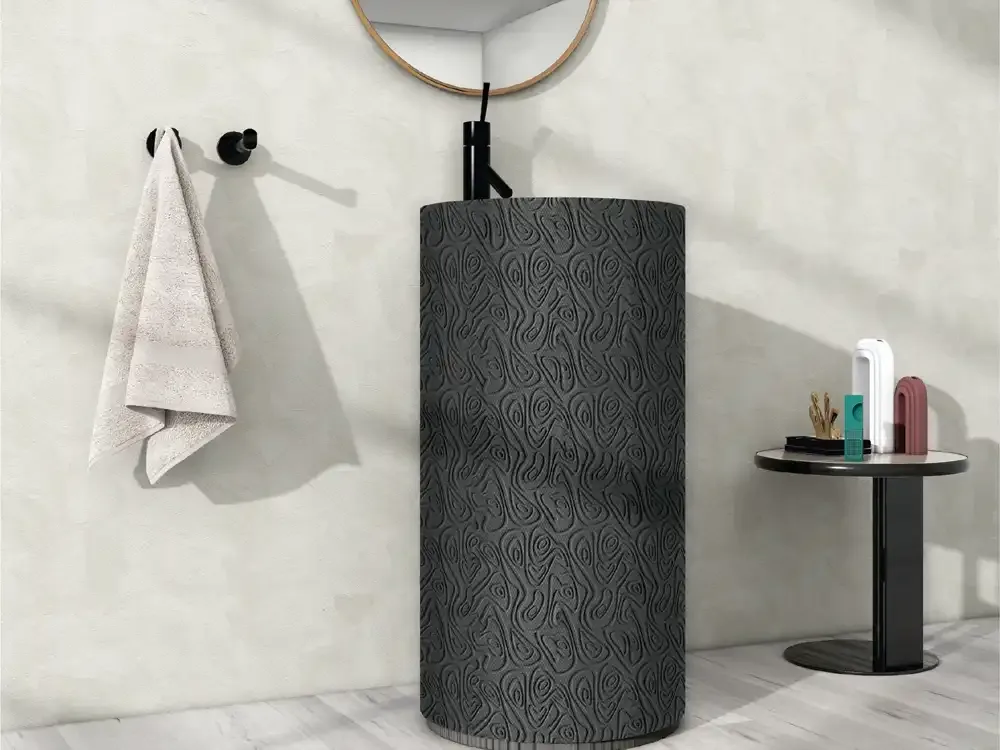
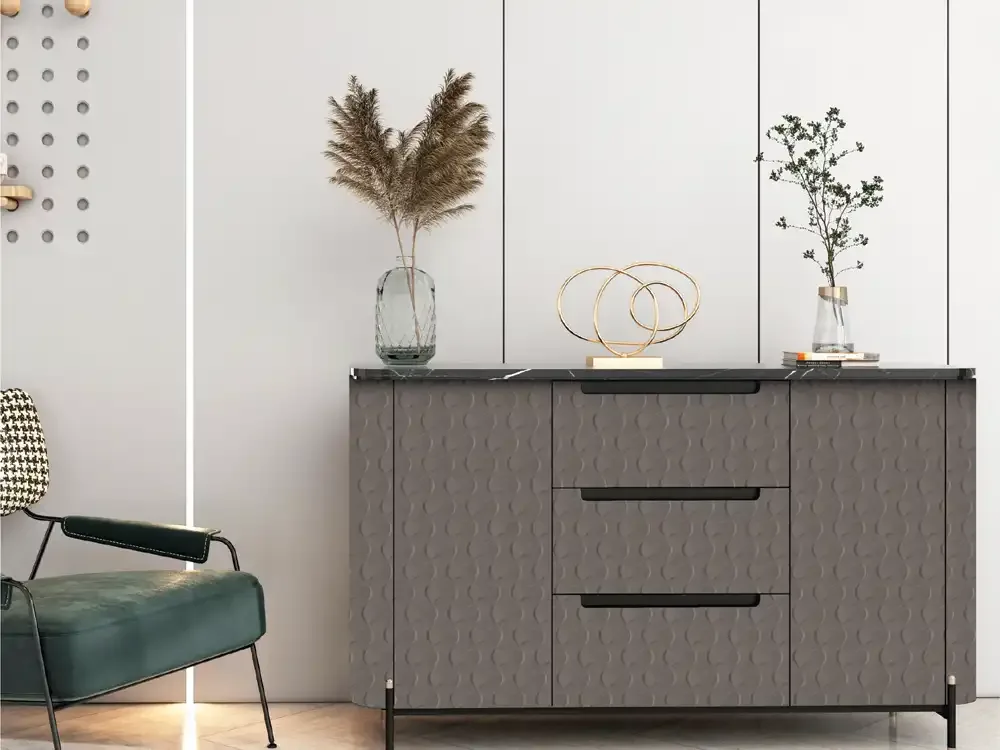
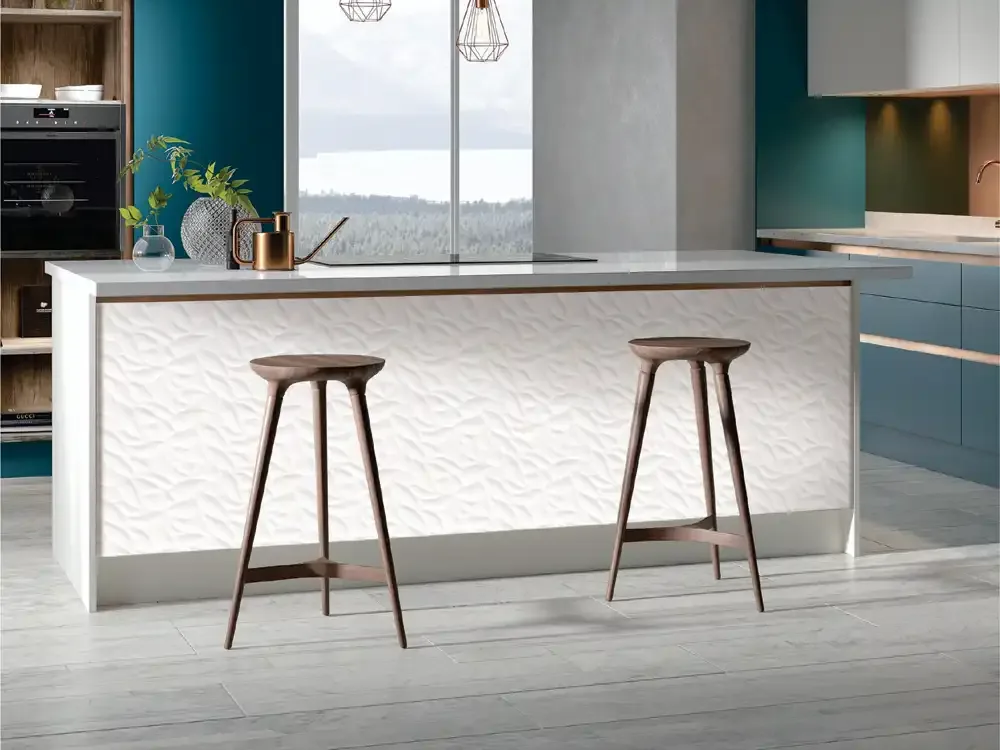
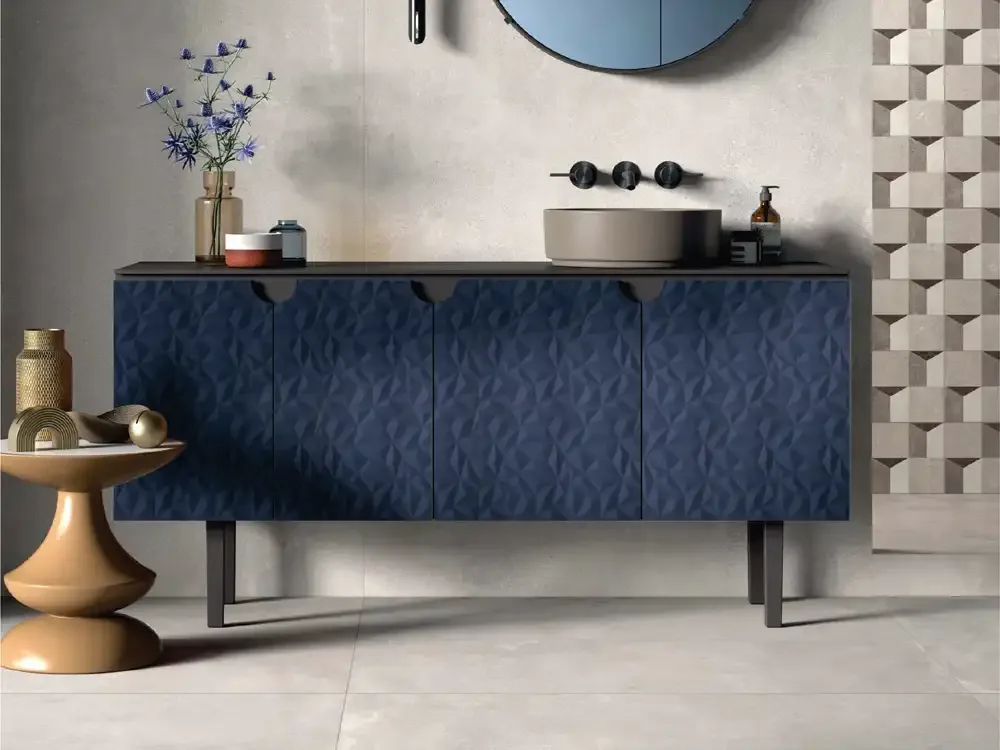
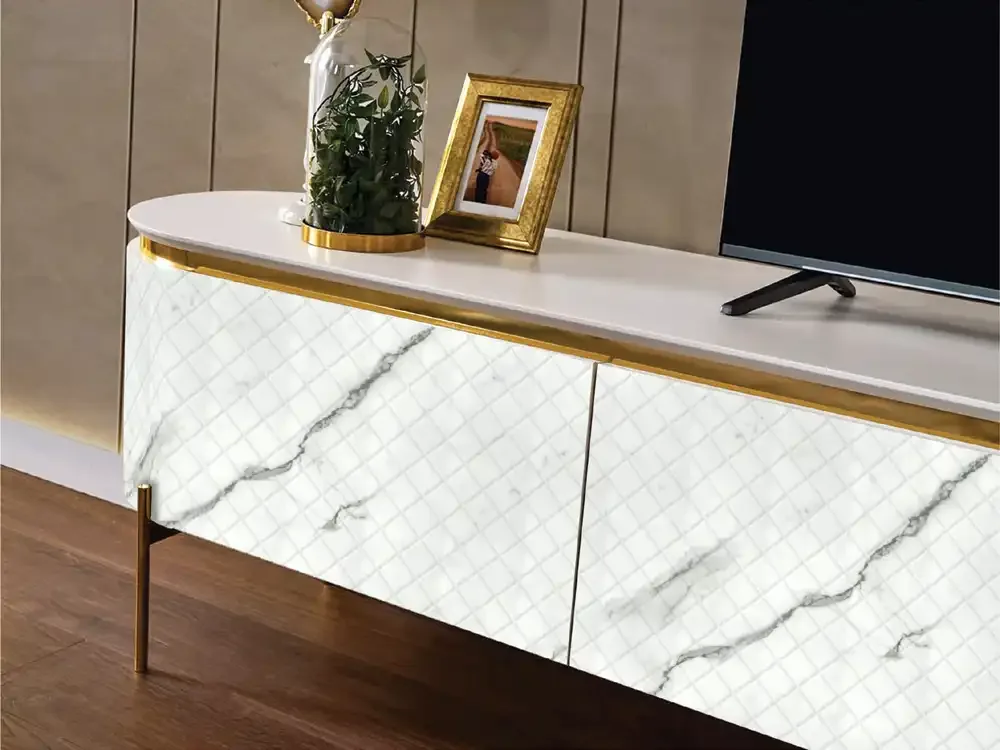
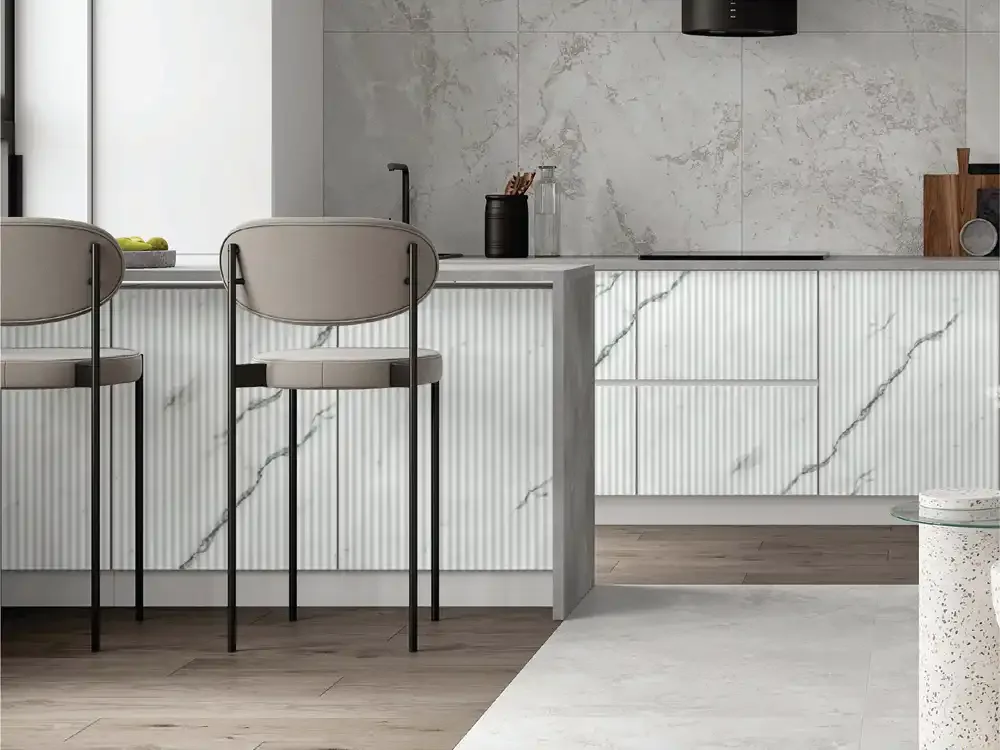
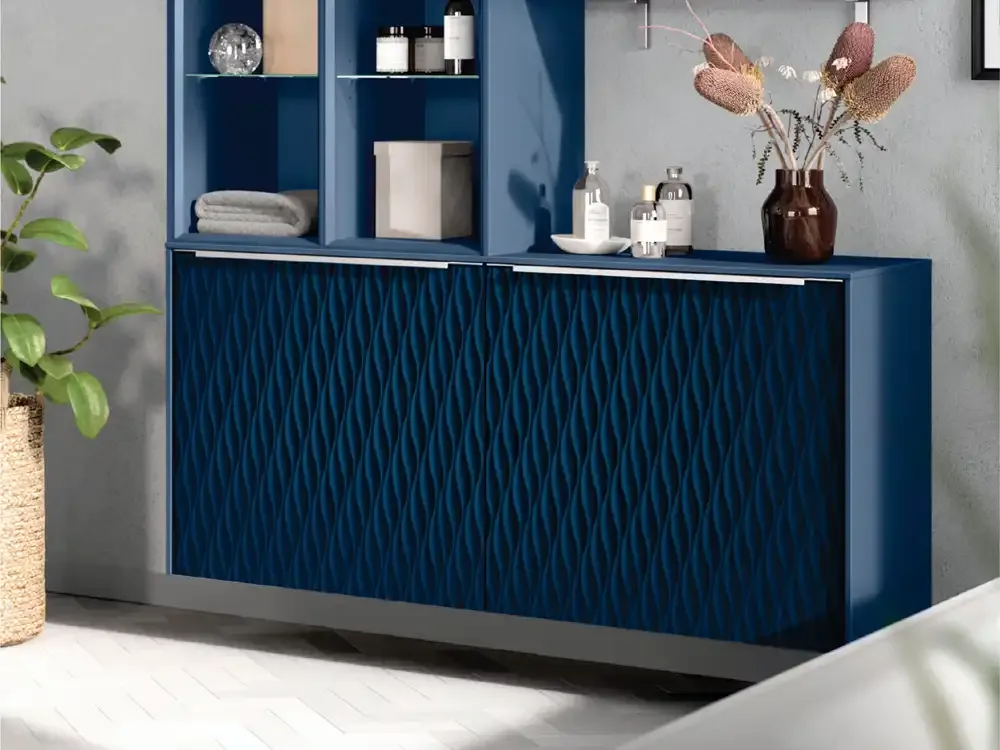
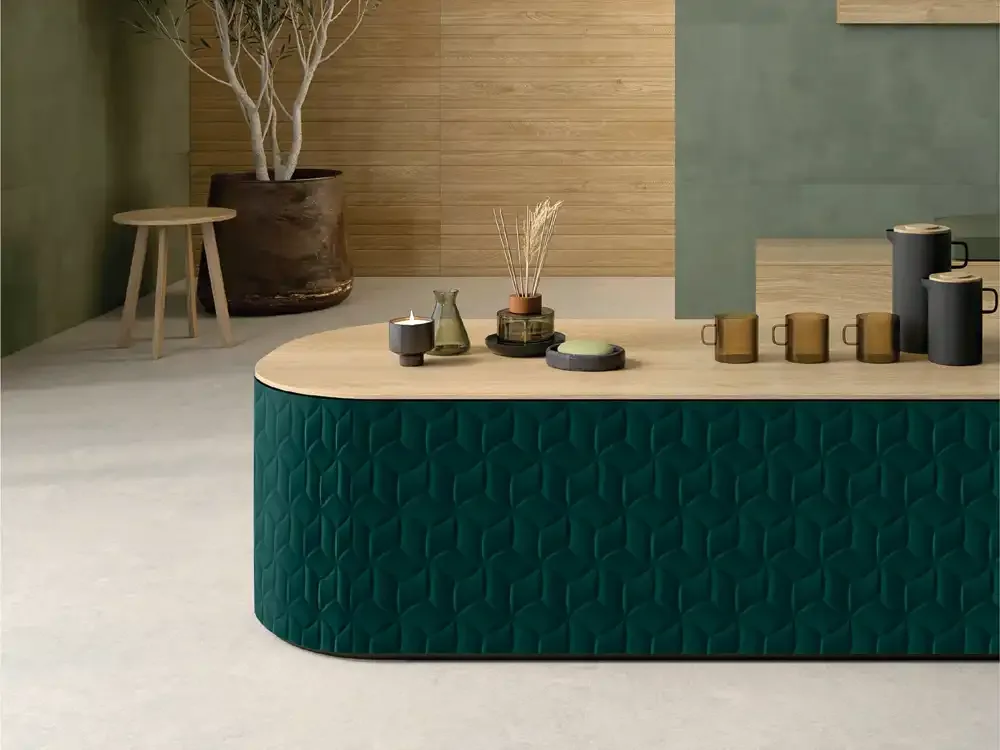
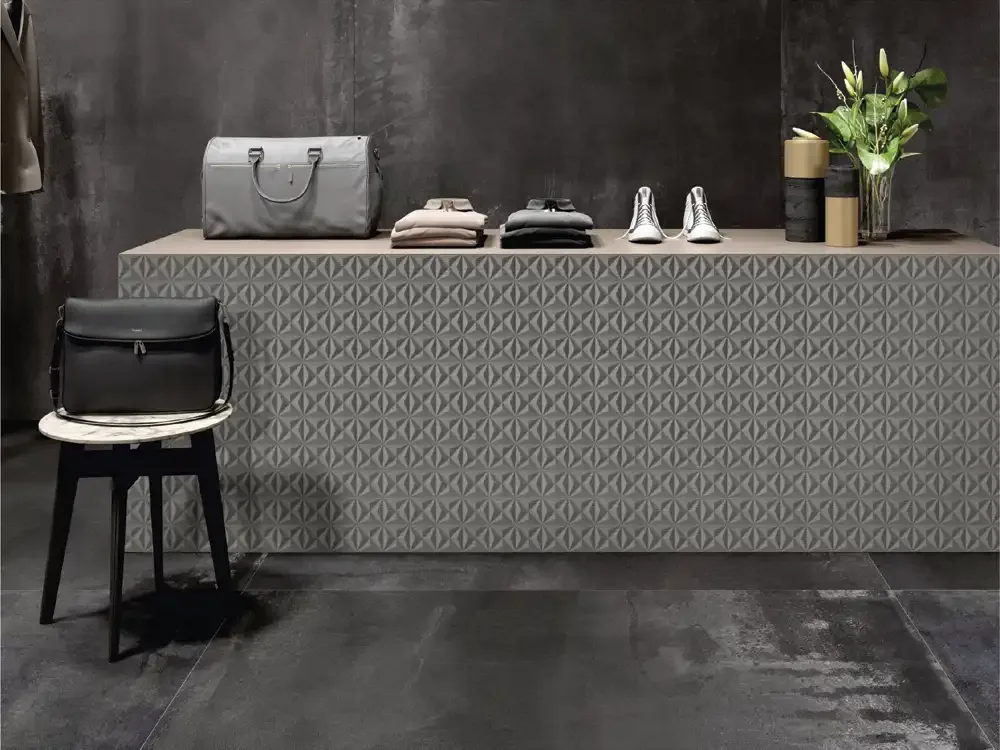
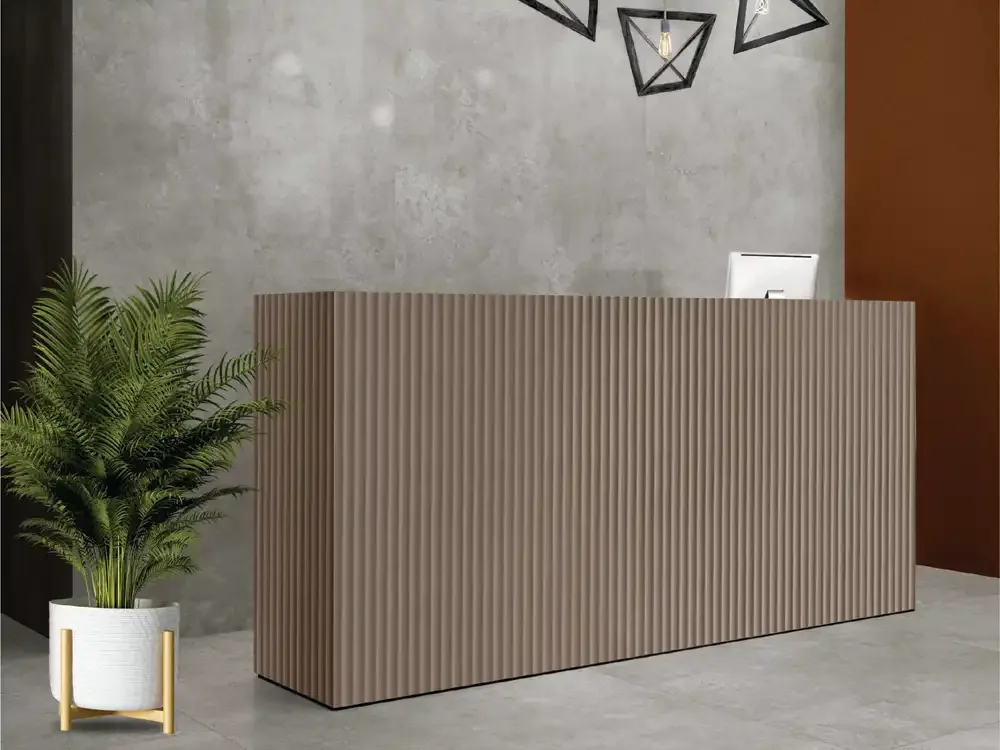
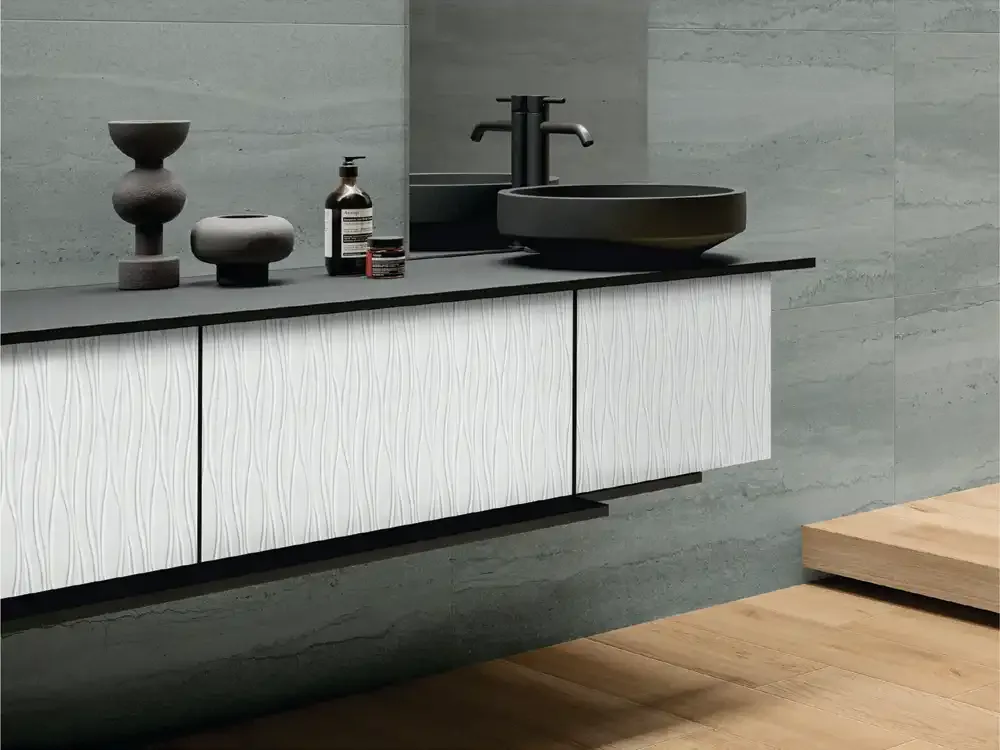
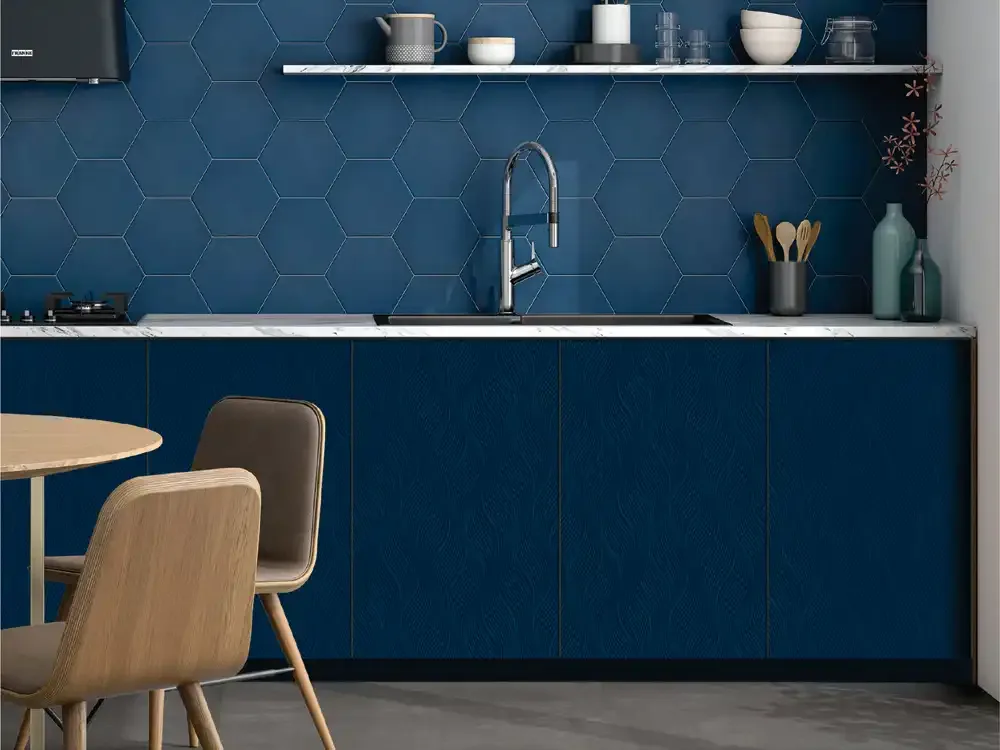

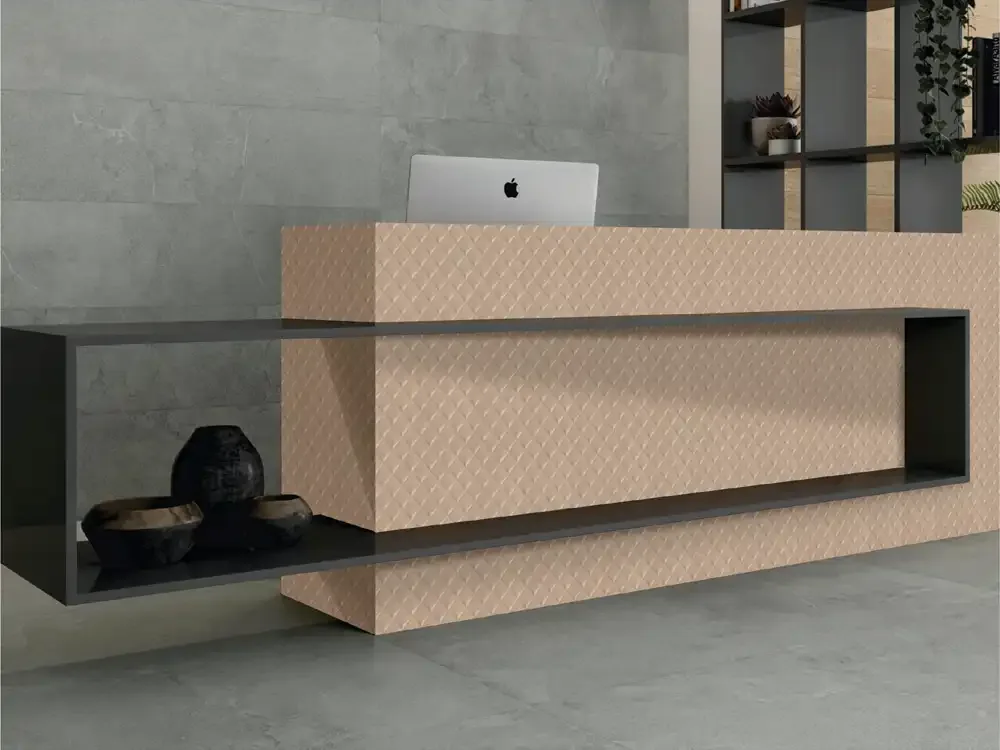
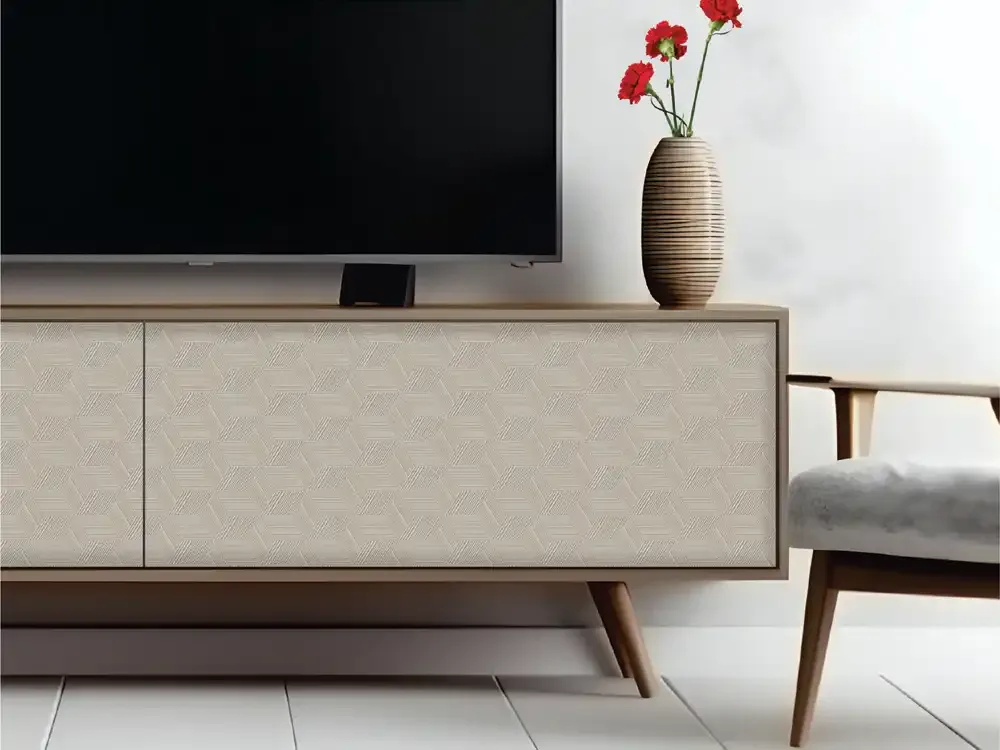
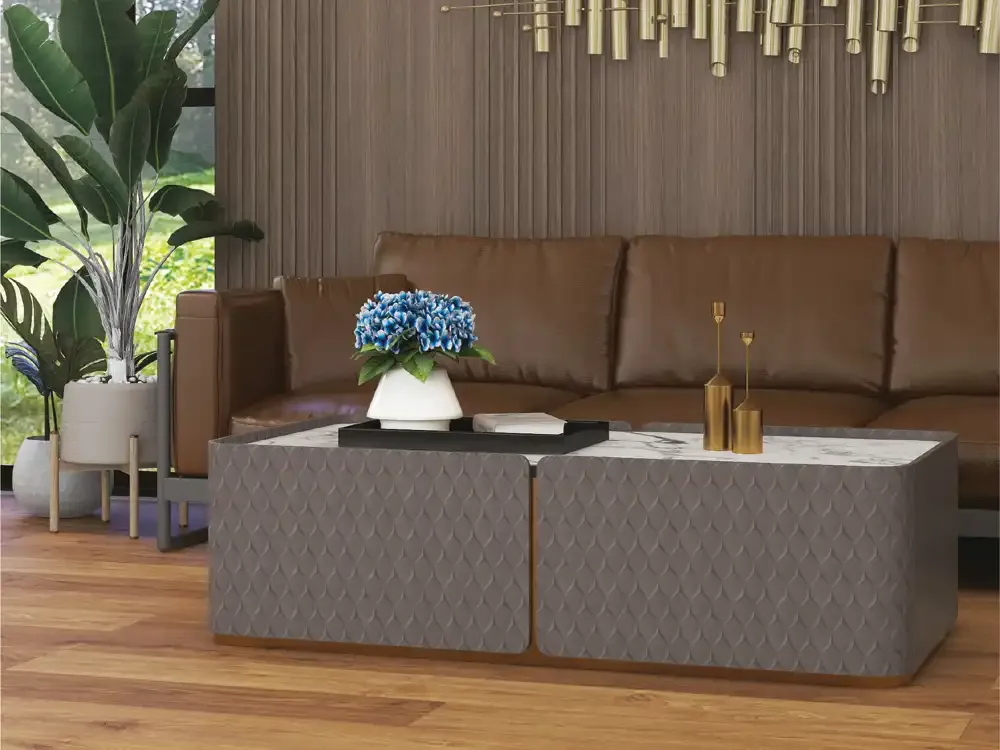
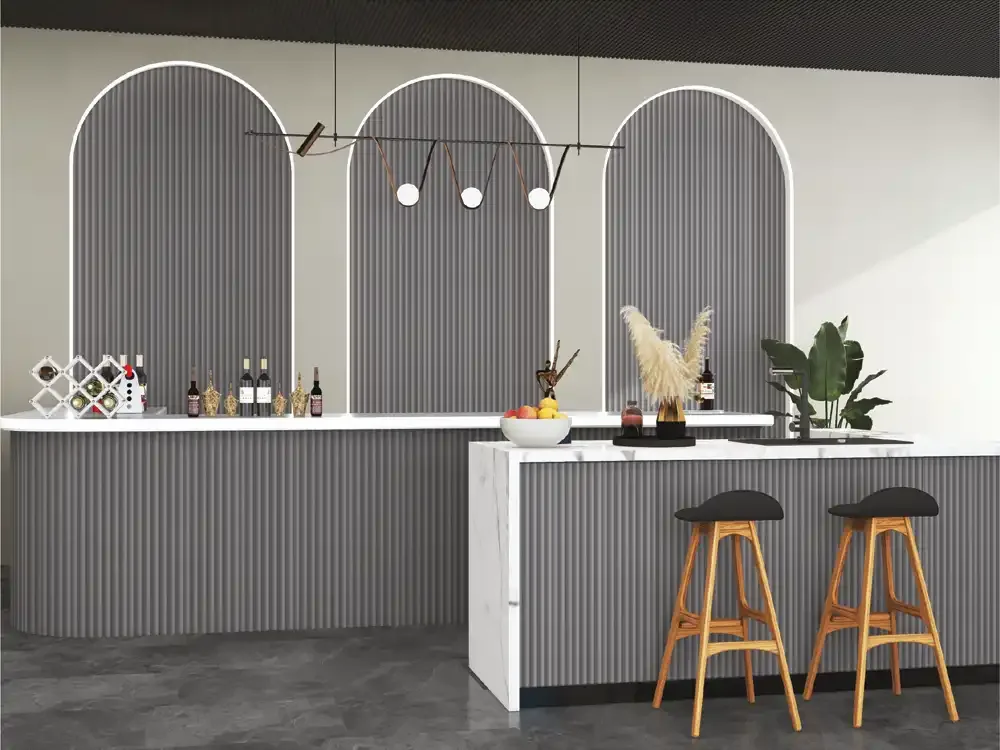
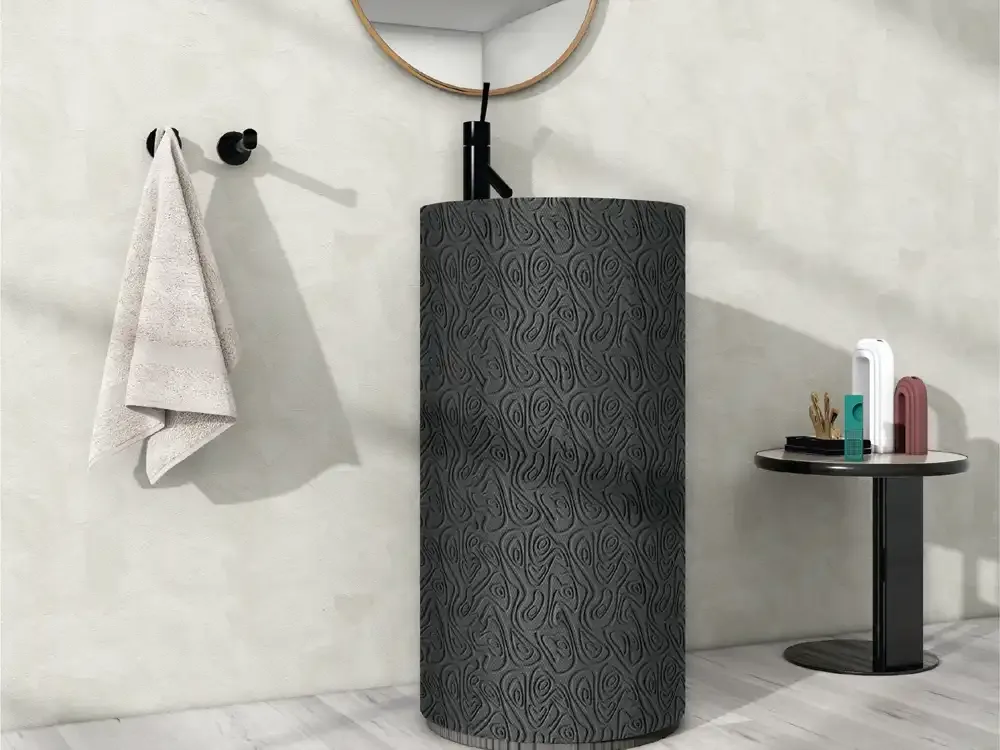
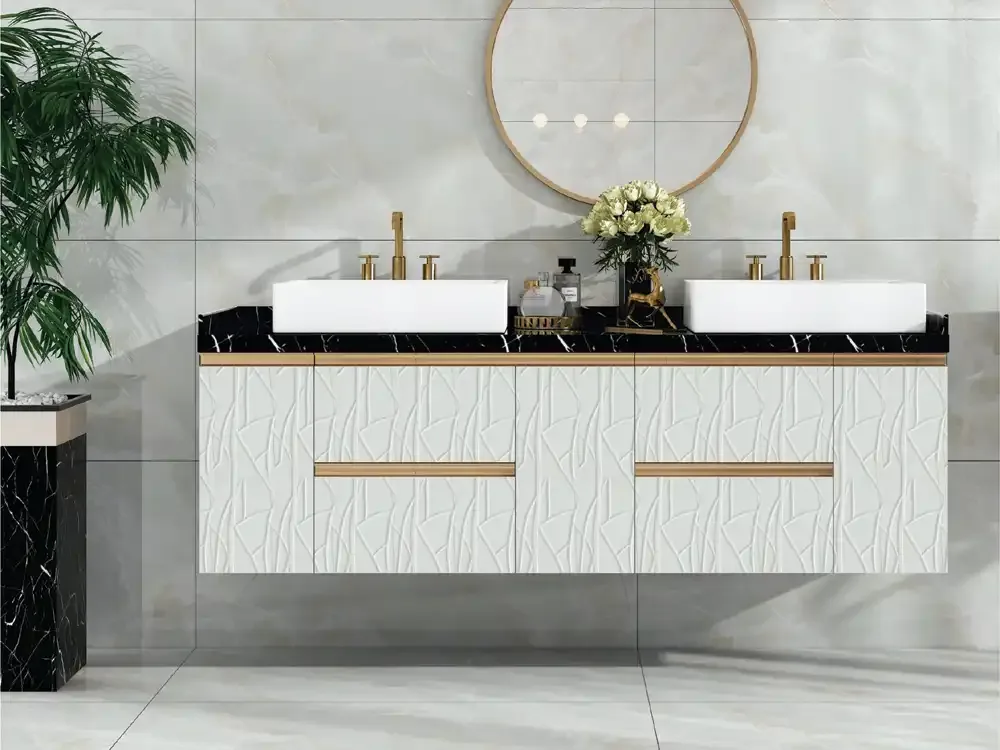
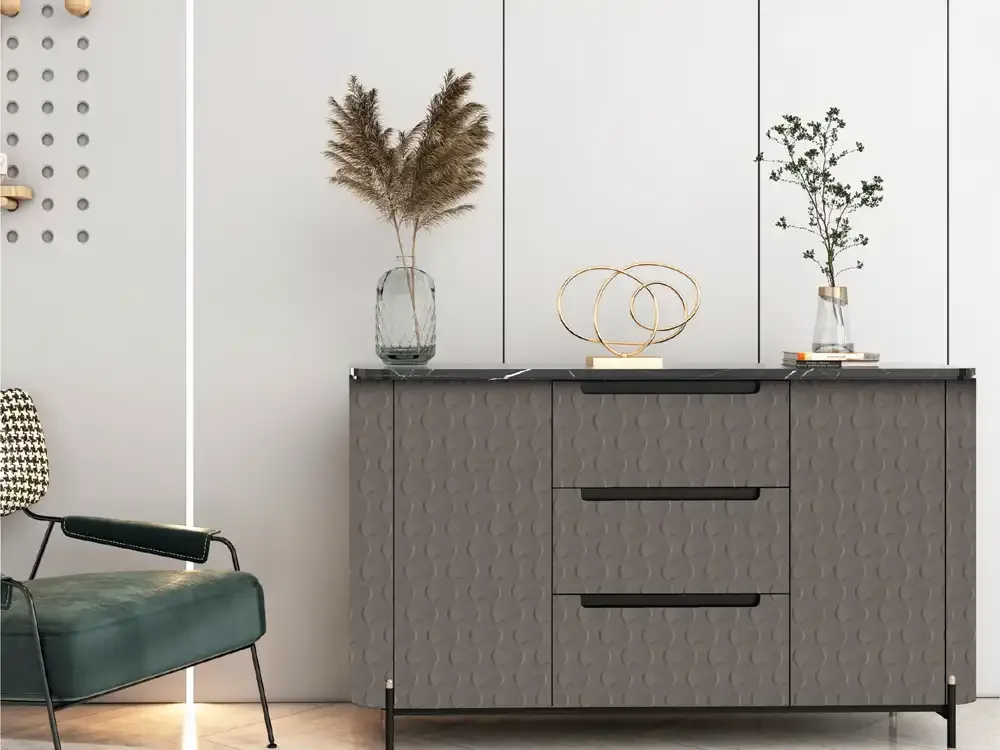
Graffito Soft Panels Guide
Graffito Soft Panels: Flexible Decorative Surfaces for Modern Interiors
Graffito Soft Panels bring relief, pattern and a more tactile quality to interior surfaces. Instead of treating a feature wall as a flat field of colour, the collection uses sculpted lines, curved motifs and geometric forms to create changing highlights and shadows. Mark Decor offers five Graffito subcollections, allowing designers to compare different pattern languages before selecting an individual product code. The purpose of this category guide is to explain the overall system; each collection and product page provides the closer design detail.
The Graffito range is relevant when a project calls for flexible decorative wall panels, expressive furniture fronts or a continuous texture around selected shaped surfaces. From subtle ivory reliefs to stronger blue, green, grey and charcoal accents, its visual possibilities are much broader than a single standard ribbed panel. Choosing well means considering not only the decorative pattern but also the wall geometry, the light, the intended final colour and the practical installation conditions.
What Makes a Soft Panel Different from a Flat Wall Finish?
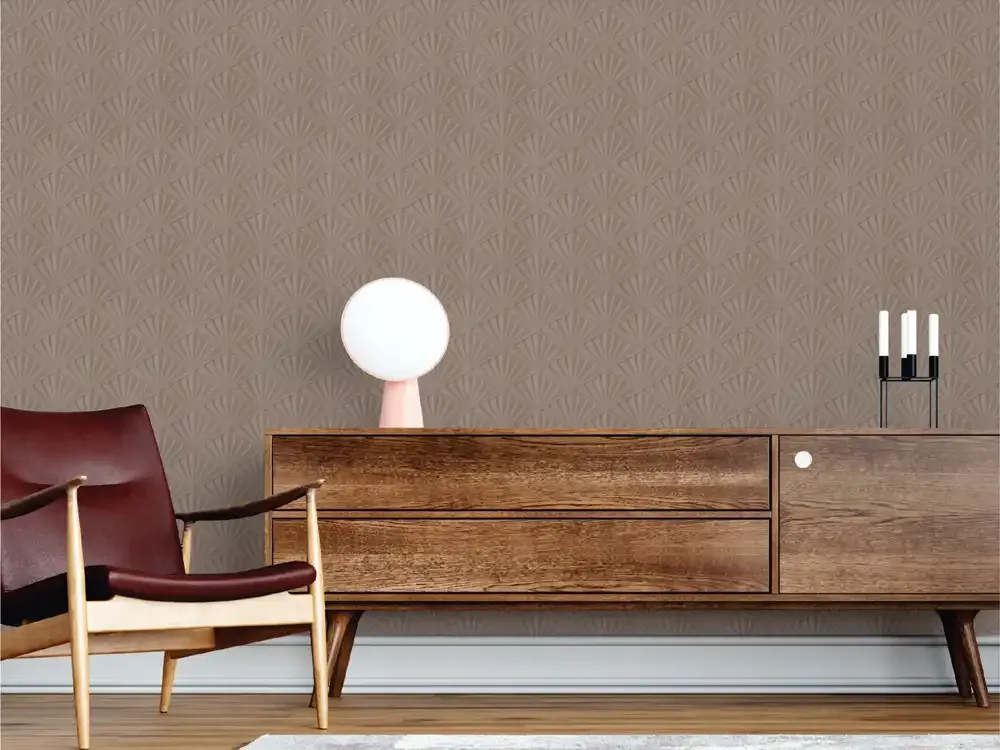
A painted surface can create a beautifully restrained interior, but it does not always provide the depth needed to define an architectural feature. Graffito uses a raised surface pattern to make light part of the design. At one angle, a fine linear relief can appear almost calm; under grazing light, the same panel reveals a much stronger three-dimensional rhythm. This is especially valuable on focal walls that need character without an additional layer of frames, artwork or applied decoration.
Explore the Five Graffito Collections
The main Graffito category should help visitors understand the range rather than compete with the more specific series pages. Each Graffito Soft Panel collection has its own mix of motifs and colourways. Use the following guide as a starting point, then open the collection pages and review the exact product images and codes before specifying a design.
Graffito Soft Panel - 01: Ornamental and Sculpted Relief
Graffito 01 includes fan-inspired forms, leaf-like contours, faceted geometry and related decorative textures. It suits a brief where the pattern itself is the centre of attention: a framed feature-wall section, a prominent reception detail or a crafted furniture front. The dedicated 01 page should carry the more specific pattern and colour comparisons; this category page simply establishes its place in the wider Graffito selection.
Graffito Soft Panel - 02: Waves and Linear Movement
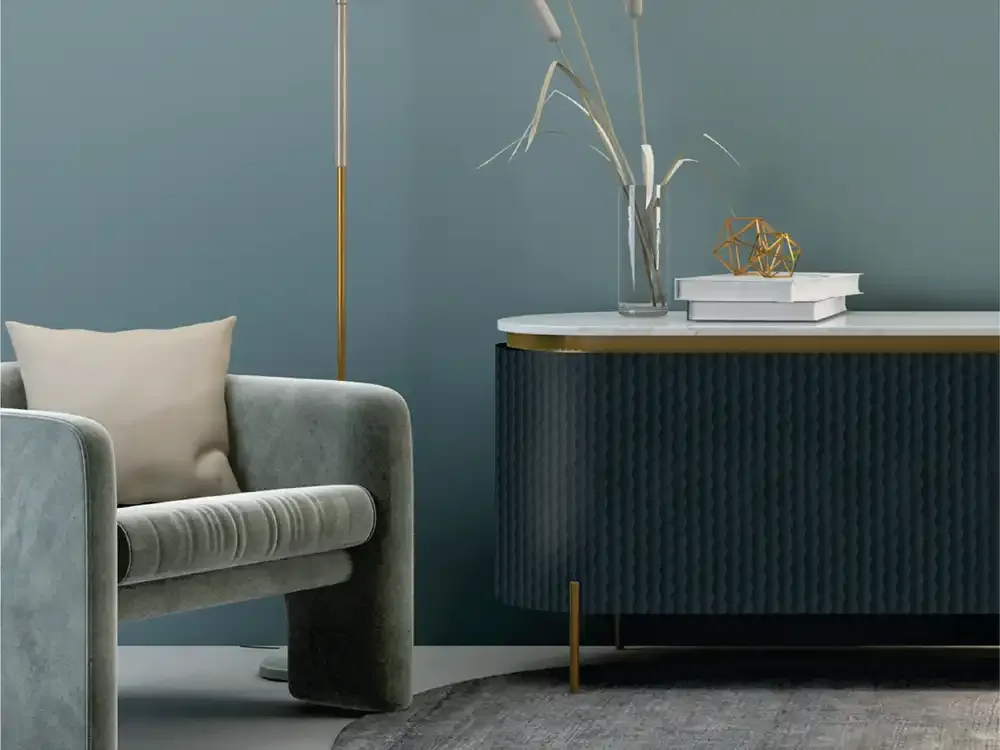
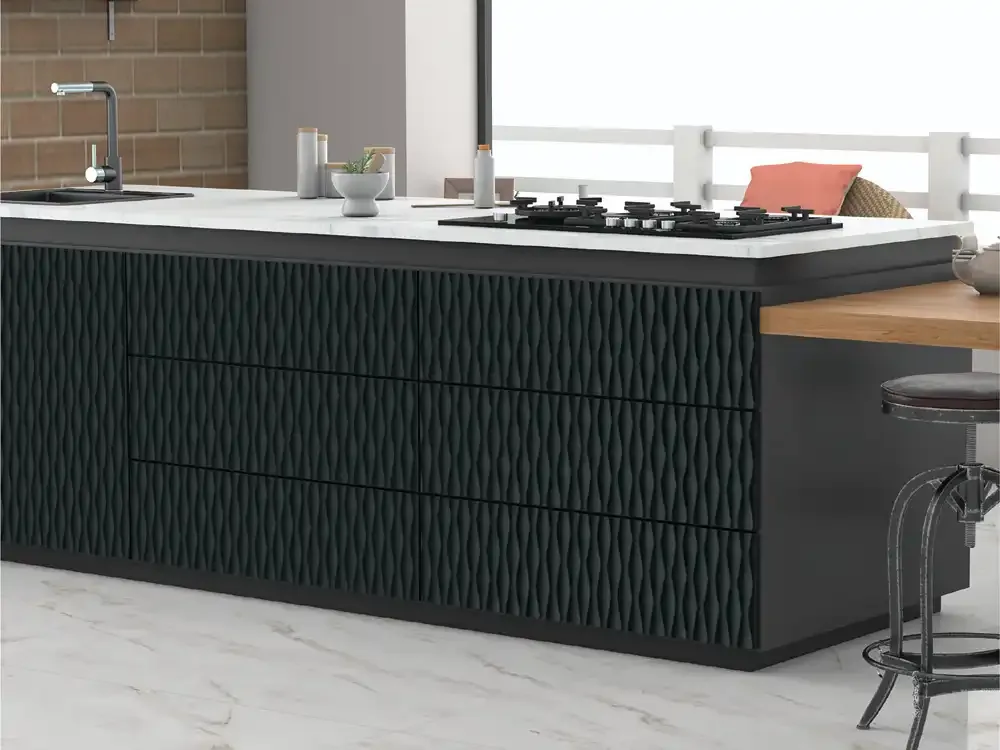
Graffito 02 brings together flowing waves, vertical rhythms, ripples and geometric effects. Choose to explore this group when a room needs a sense of movement, particularly where lighting can accentuate long raised lines. A quiet neutral finish and a dark dramatic finish will communicate very different moods even when their underlying motif is related.
Graffito Soft Panel - 03: Lattices, Facets and Fine Lines
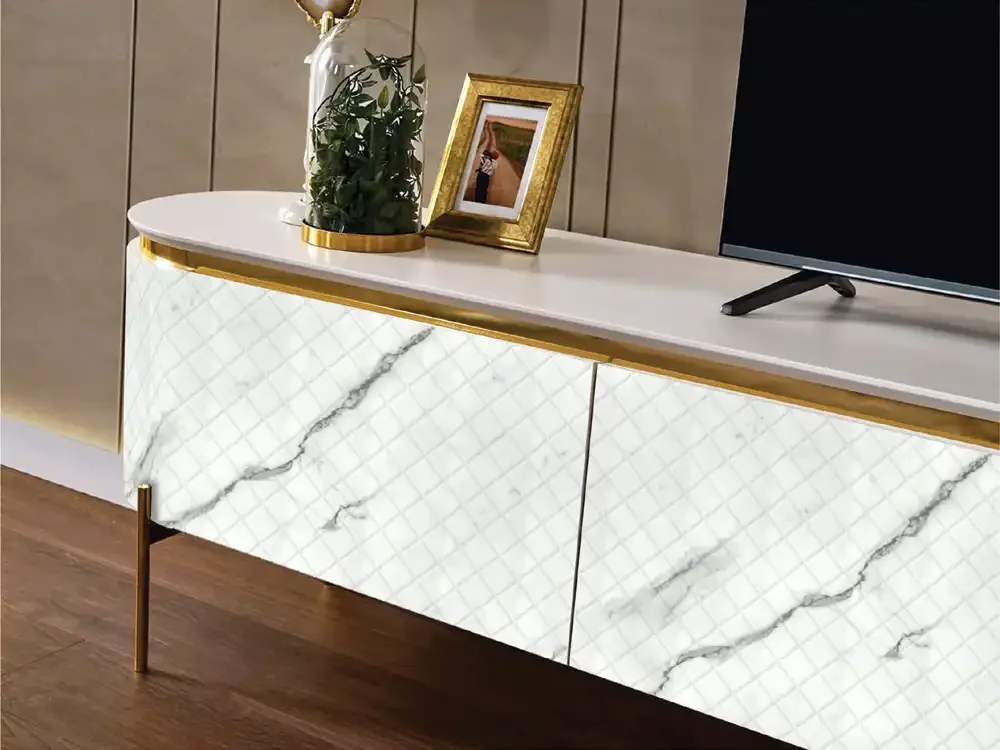
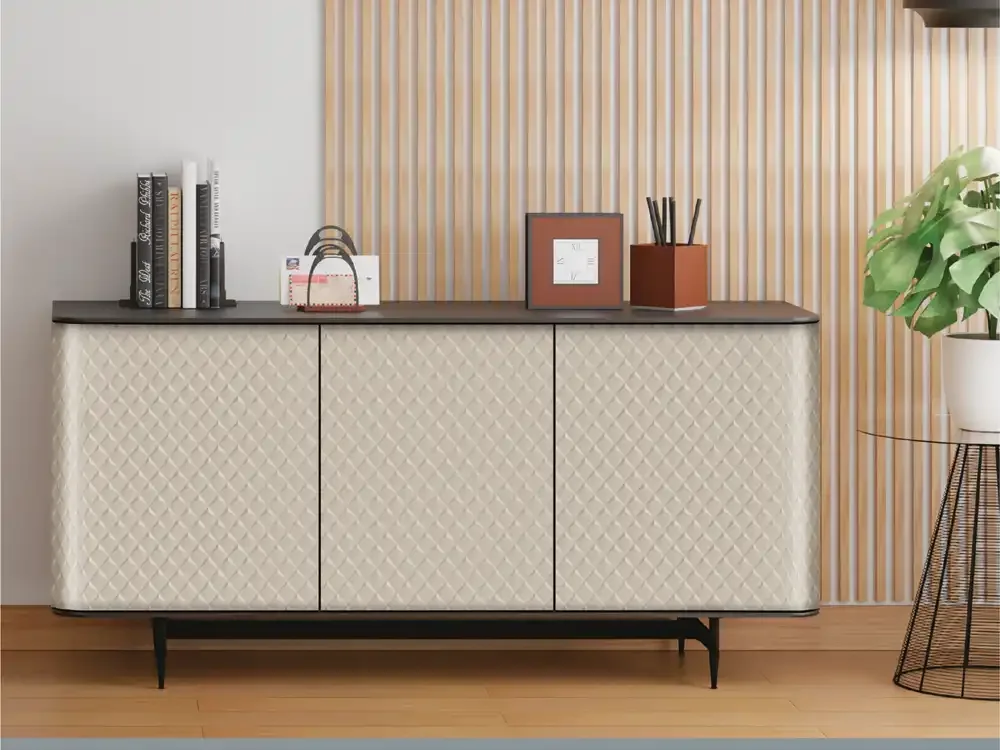
Graffito 03 extends the range toward ornamental lattices, flowing linework, quilted surfaces and more structured reliefs. It is worth comparing when the brief asks for a mix of architecture and decoration rather than a simple stripe. Pay particular attention to the scale of a motif: compact surface detail can read differently from a large geometric repeat when viewed across a full-height wall.
Graffito Soft Panel - 04: Woven, Honeycomb and Flowing Textures
Graffito 04 covers woven-line appearances, soft wave ribs, honeycomb-like cells, diamond forms and sculpted decorative geometry. This collection can help a designer move between delicate linear texture and clearer 3D pattern without leaving the Graffito family. The best choice depends on the amount of wall being covered and whether the surface should complement or dominate nearby furniture.
Graffito Soft Panel - 05: Organic and Expressive Pattern
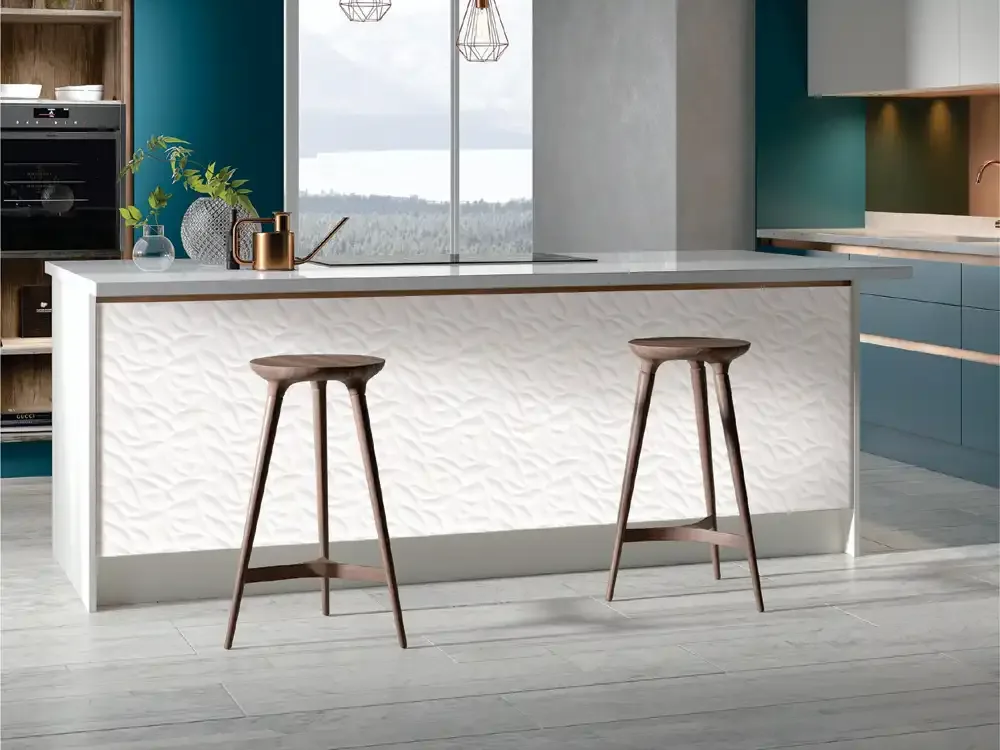
Graffito 05 includes branch-like strokes, swirling motifs, flowing paisley forms, diamond quilting, herringbone-influenced effects and other expressive treatments. It is a useful starting point for more artistic interior ideas. As with the other collections, the product code matters: a soft neutral and a bold dark shade may produce contrasting results from the same pattern family.
Verified Material, Panel Size and Thickness
The five Graffito subcategories in Mark Decor PIM share the following specifications: Material: Wood Pulp; Panel Size: 1200 × 2400 mm; and Thickness: 2–4 mm, depending on design. Thickness should not be treated as one fixed dimension for every relief. Confirm the selected product code, profile and installation requirements before finalising quantities, cutting or junction details.
Flexibility for Curves, Arches and Selected 90-Degree Details
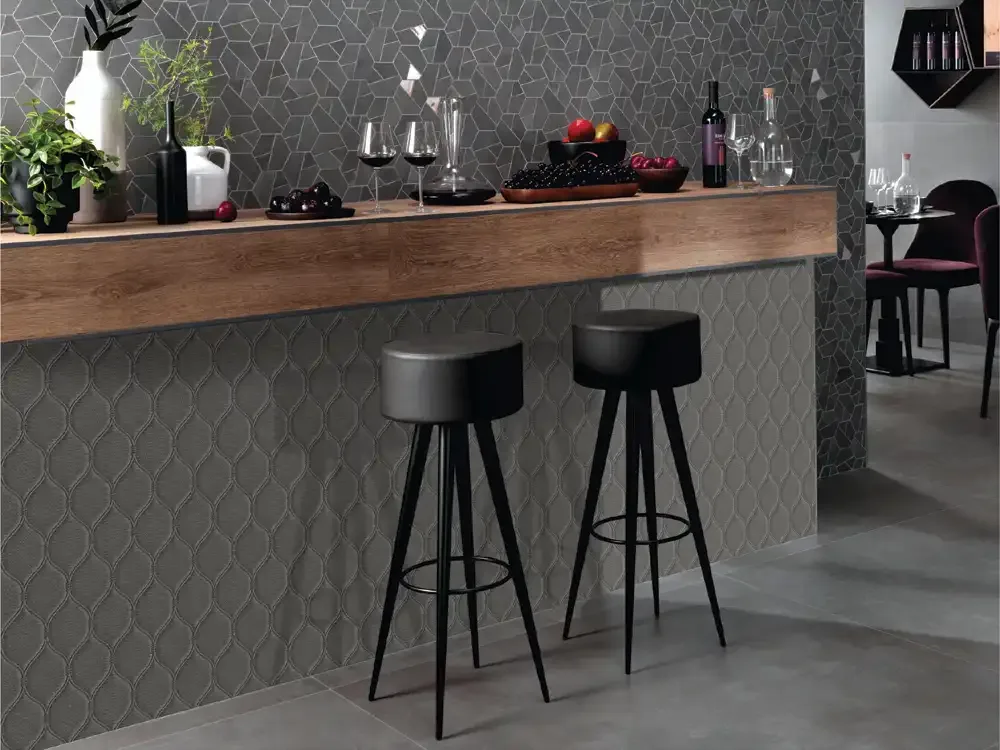
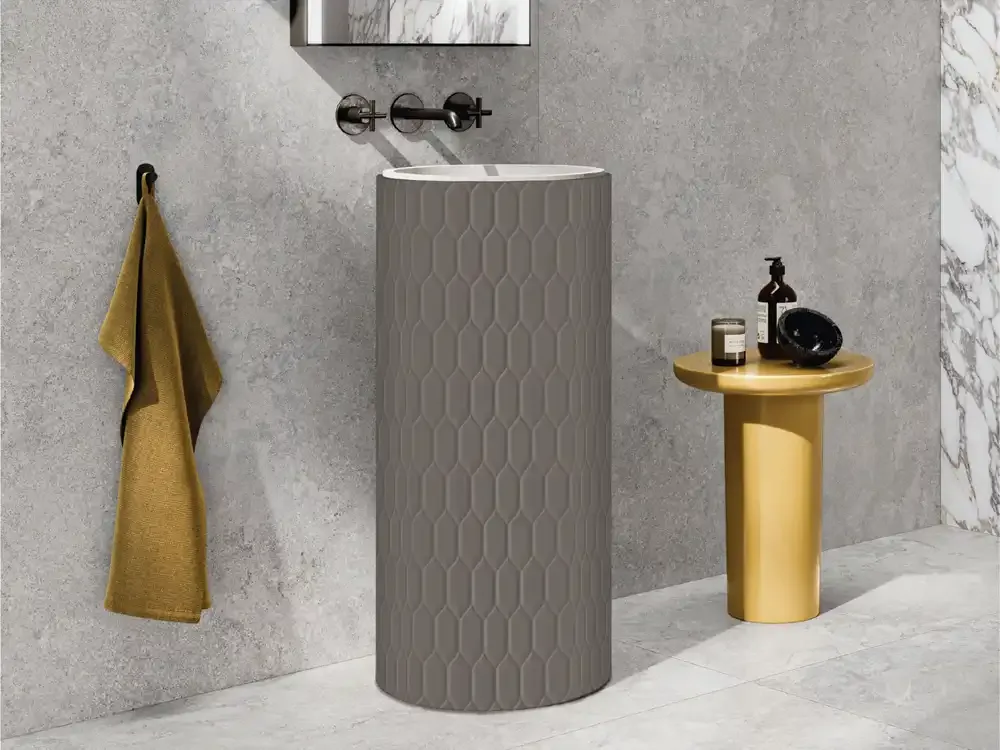
Flexible wall panels open up a different set of interior design possibilities from rigid flat panels. Graffito's existing PIM features refer to arches, curved and round surfaces and selected 90-degree applications. In design terms, this means a texture may be considered for architectural forms that would otherwise require a separate decorative finish or a visible transition between flat and curved planes.
Flexibility does not mean every pattern can be bent to every radius, nor does it eliminate the need for correct preparation. The suitability of a particular profile depends on its relief and the project's actual curve or corner geometry. For columns, reception counters and wrapped furniture, ask for installation guidance and trial the selected panel on a representative sample before ordering for the full area. This preserves the intended pattern while avoiding unrealistic promises about sharp folds or tight radii.
Paintable Finishes and Colour Coordination
Mark Decor's Graffito feature master describes the range as paintable for custom colour selection. This gives designers another way to coordinate the surface with wall paint, upholstery, joinery or a broader brand palette. A tone-on-tone finish can keep the room peaceful while letting the relief remain visible; a darker colour may increase the apparent depth of the pattern and make the installation feel more architectural.
For a reliable result, finish selection should follow the supplier's recommended preparation and compatible coating process. Do not assume that every decorative paint, primer or cleaning chemical is suitable simply because the panel is described as paintable. Consider a mock-up with the intended light source, and examine the finish from the entry to the room as well as up close. The same relief can look very different in warm afternoon light and cool direct illumination.
Where Graffito Soft Panels Can Be Used
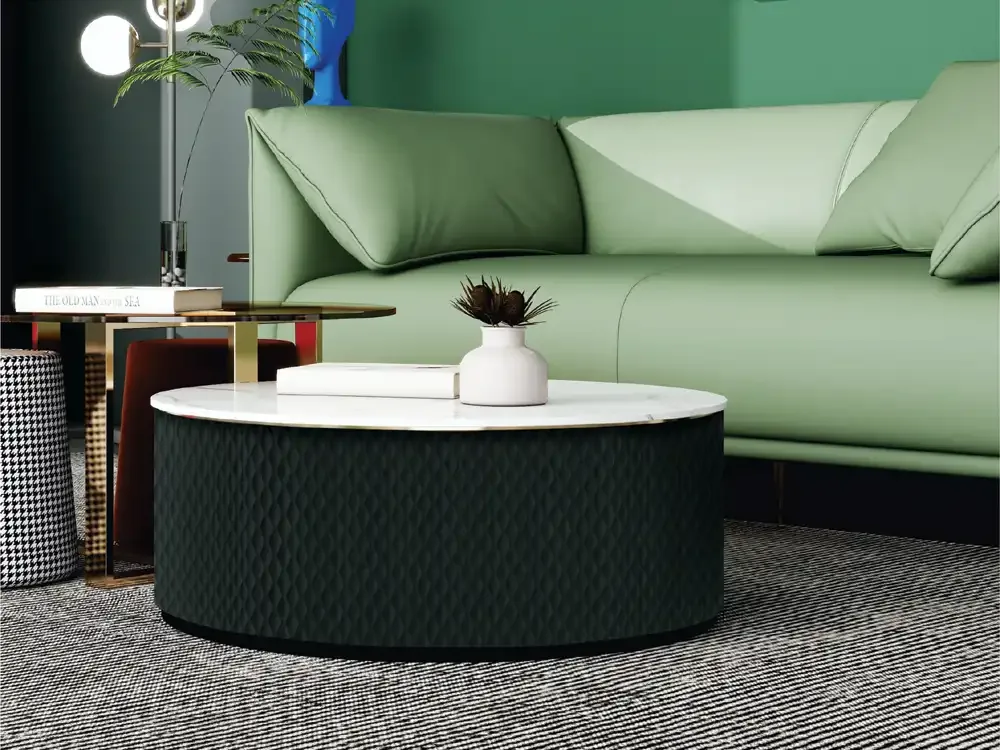
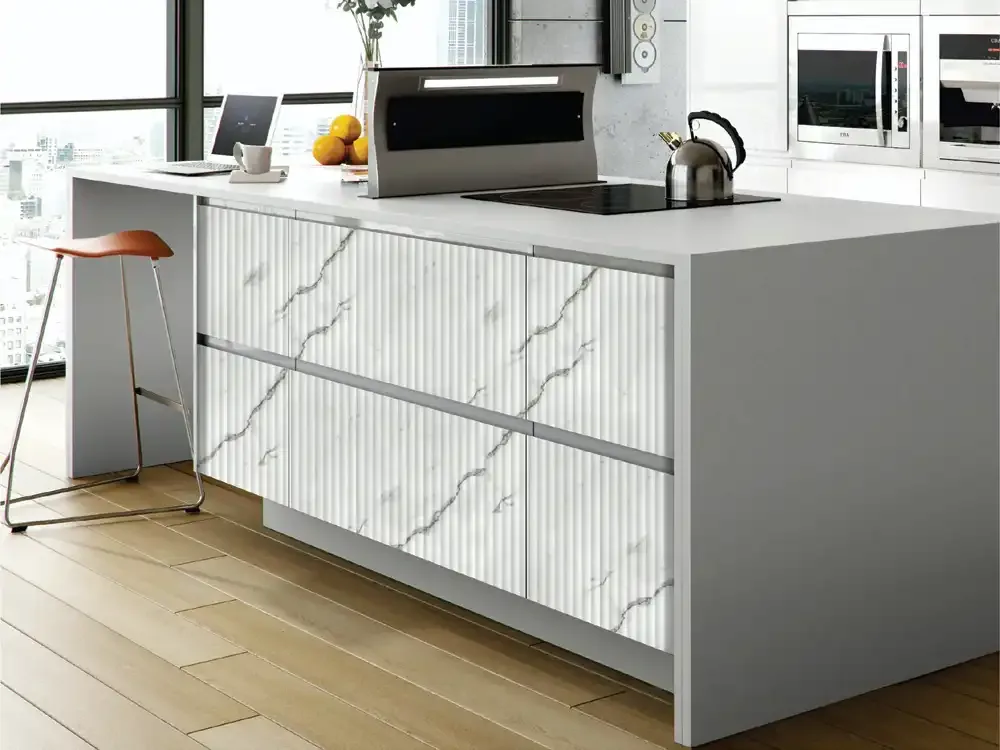
Possible design settings include living-room feature areas, selected bedroom backdrops, reception surfaces, office accents, hospitality interiors, display zones and decorative joinery. The PIM product records also show furniture-front and counter examples for several Graffito designs. These are interior design applications, not a universal guarantee that every panel is appropriate for every building condition.
How Lighting Changes a Textured Wall
Three-dimensional patterns respond strongly to light direction. Gentle, angled lighting often shows fine grooves more clearly than an evenly bright overhead source. A small sample should therefore be examined under the lighting planned for the real project, especially for subtle ivory, white or greige designs where shadows carry much of the effect.
Planning Layout, Installation and Care
A successful installation begins with accurate measurements and an appropriate substrate. Check the wall's condition, moisture exposure, corners, joinery and cut-outs before deciding on the panel layout. The Graffito master lists lightweight handling, easy installation, fast application and low maintenance as collection features, but the actual site method, adhesive and finishing system still need to follow the relevant product guidance.
The existing PIM features also reference water resistance, stain resistance, scratch resistance, easy cleaning and an anti-bacterial surface. Those are supplier-listed attributes rather than a substitute for independent test documentation or project-specific approval. In particular, water resistance should not be interpreted as permission to use any Graffito design in constant immersion or unassessed exterior conditions. For cleaning, follow the instructions for the selected decorative coating and test unfamiliar products on a discreet sample first.
A Practical Method for Choosing the Right Graffito Design
Start by identifying the job the panel must do: bring soft texture to a private room, make a commercial wall memorable or carry a raised pattern around an architectural form. Next choose a design family—ornamental, wave, fine-line, geometric or organic—and compare physical samples against the actual room palette. Then verify the panel size, the thickness of the selected relief and whether the installation involves flat surfaces, corners or curves.
Finally, review the available colours and decide whether a catalogue finish or a project-specific painted colour is more suitable. Ask for the exact product code, check how the panels meet at seams and consider how lighting will affect the finished appearance. The goal is not to select the most elaborate design; it is to find a decorative soft panel whose scale, colour and surface movement genuinely support the space.