Metalixo 2.0
Long DescriptionMetalixo 2.0 – Premium Metallic Wall Panels for Modern InteriorsTransform ordinary surfaces into striking design statements with Metalixo 2.0 by Mark Decor, a co...
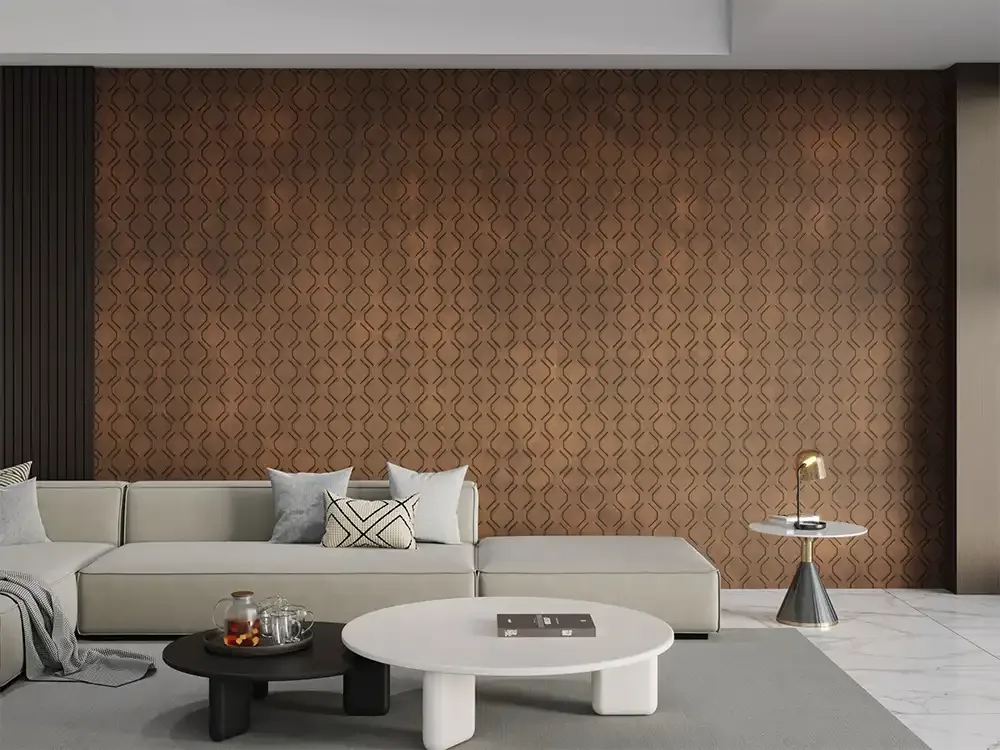
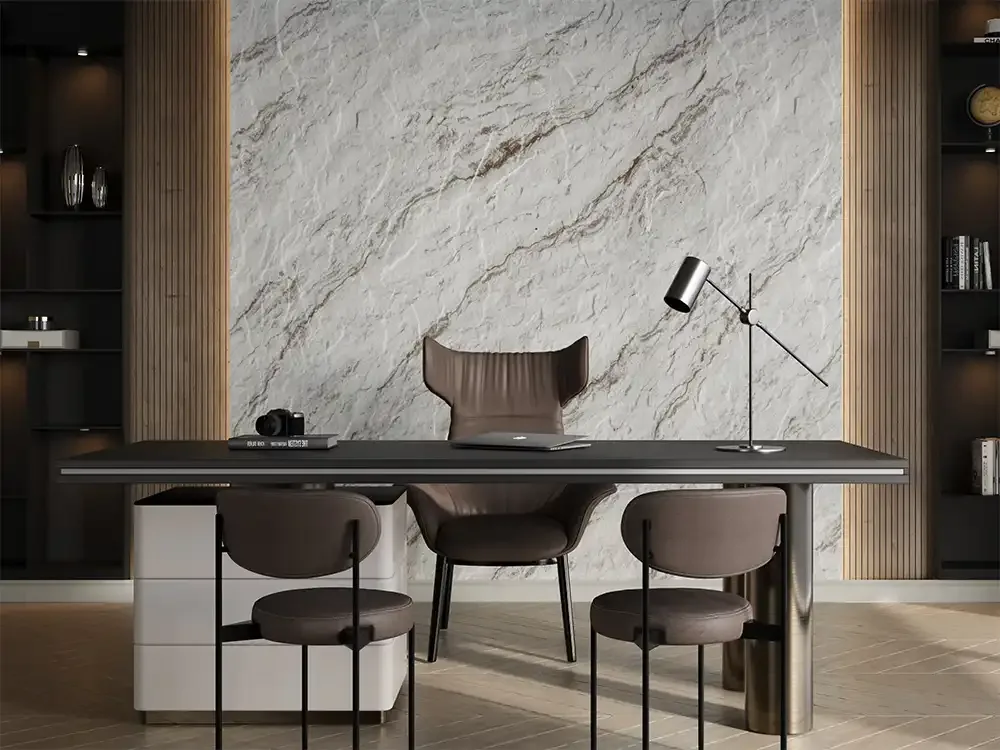
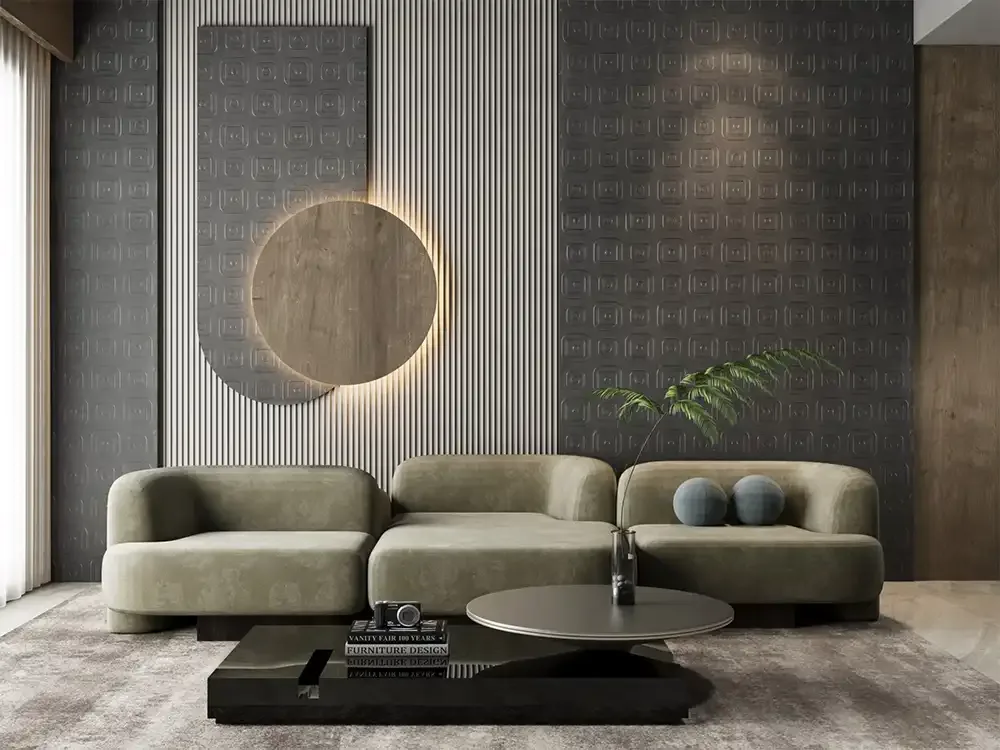
LMQ-151
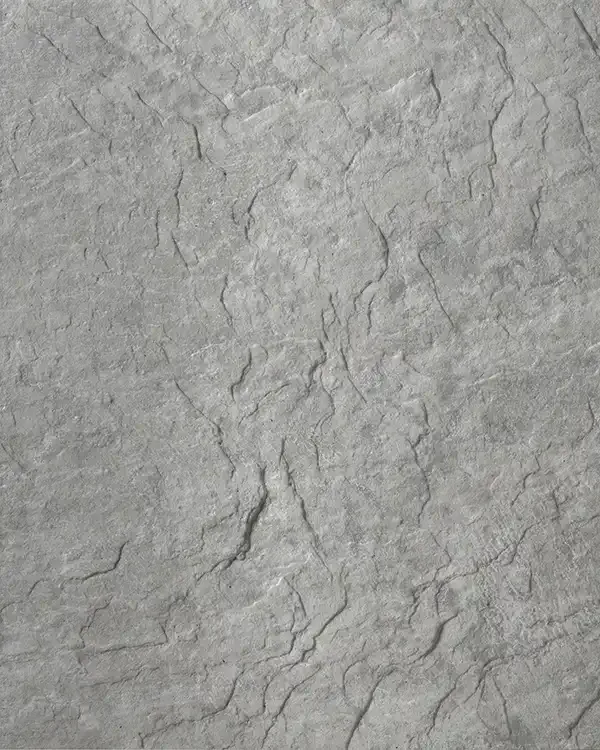
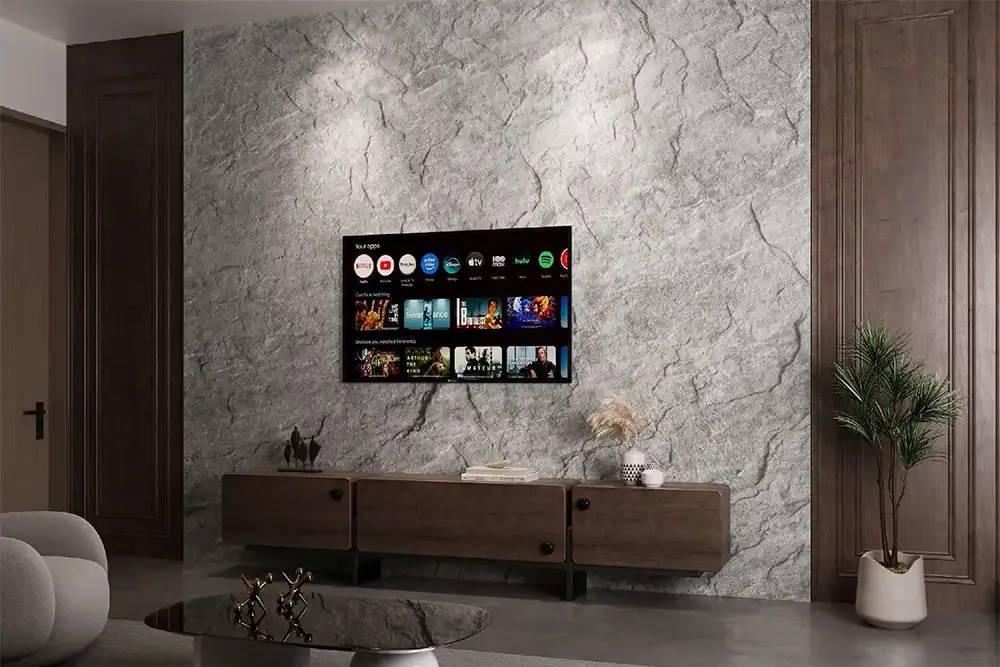
LMQ-152
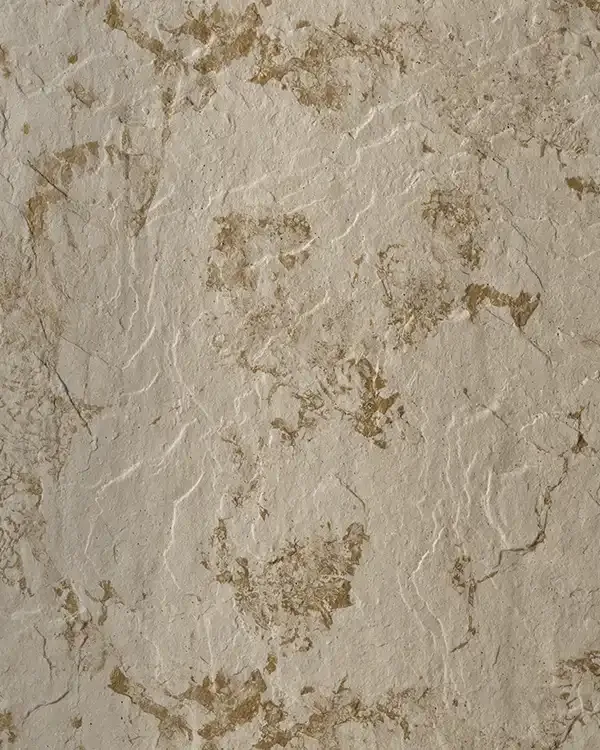
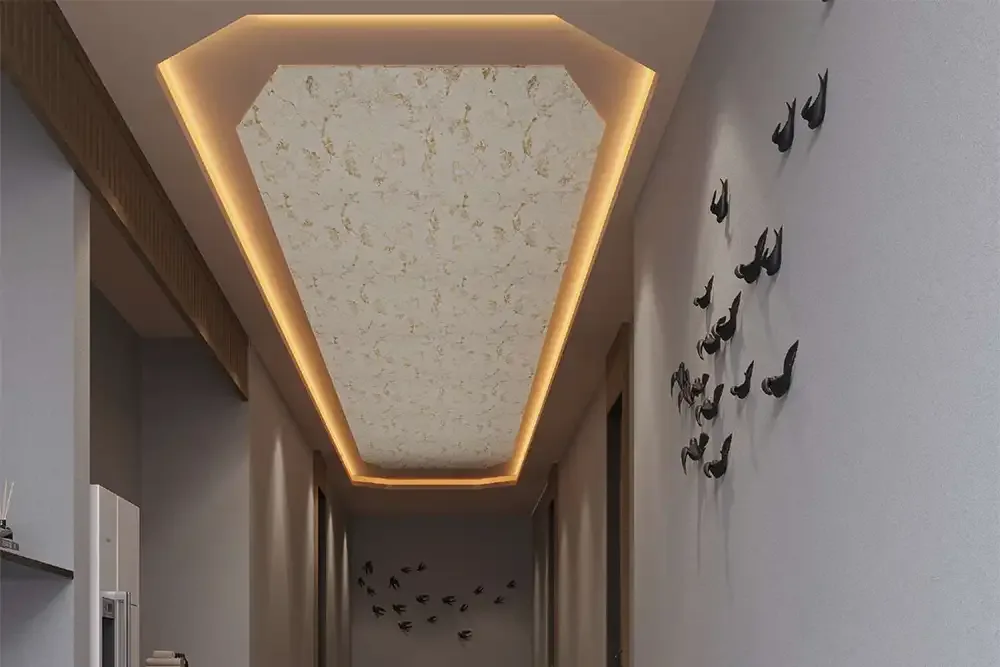
LMQ-153

LMQ-155
LMQ-156

LMQ-157
LMQ-158
LMQ-159
LMQ-160
LMQ-161
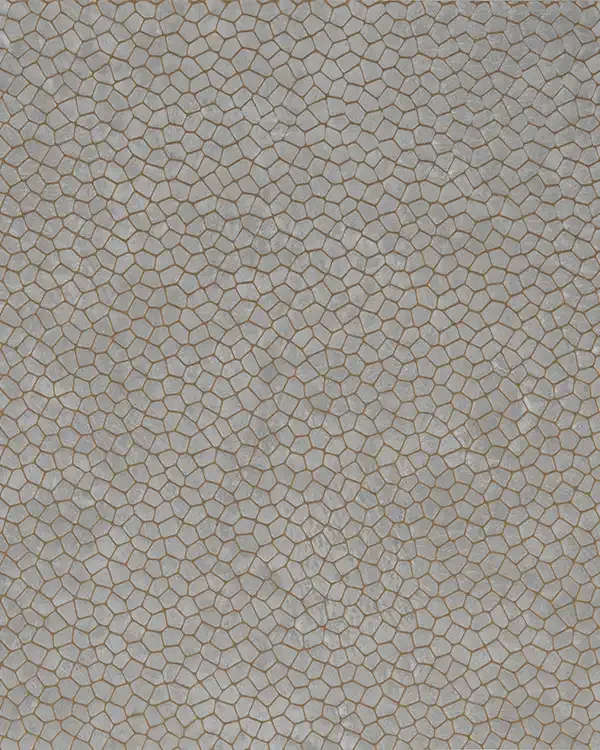
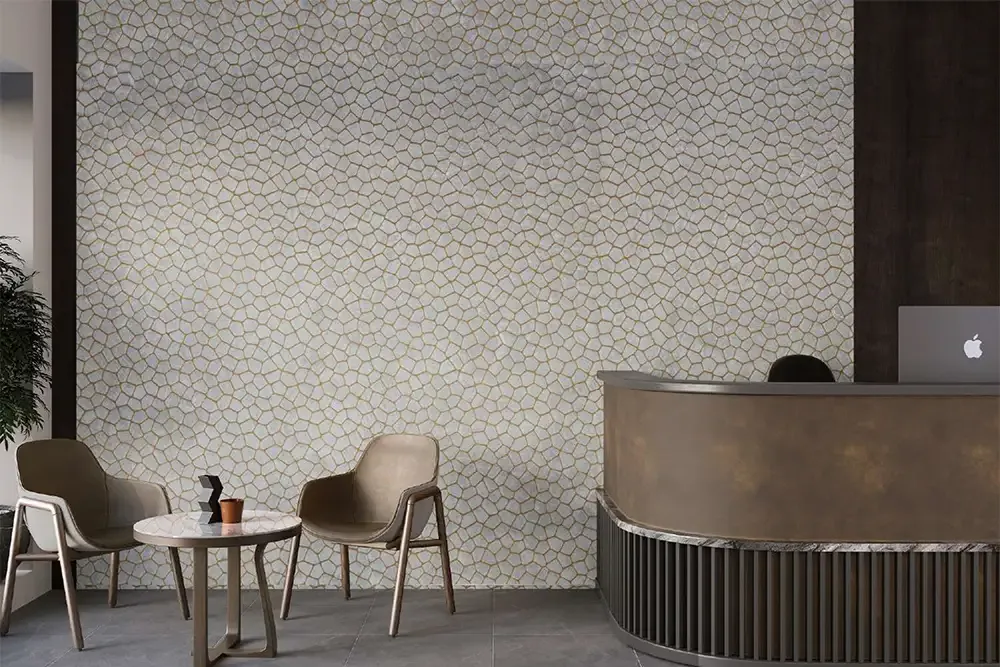
LMQ-162
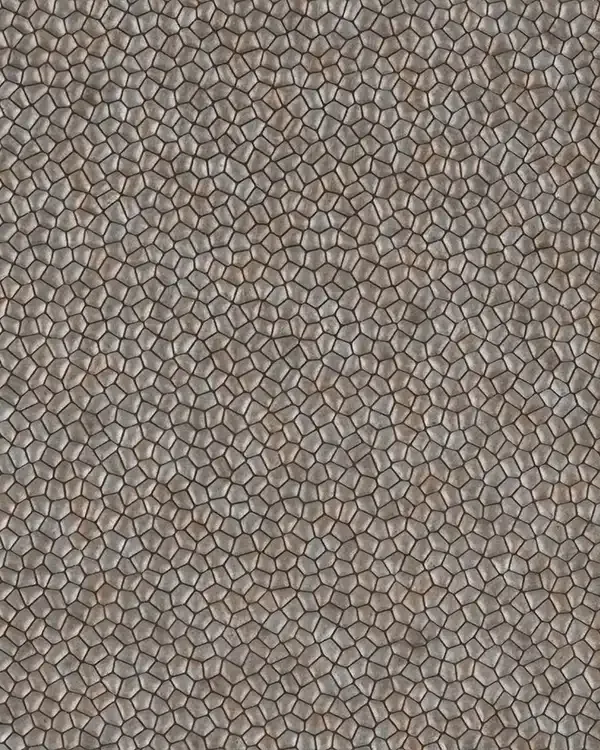
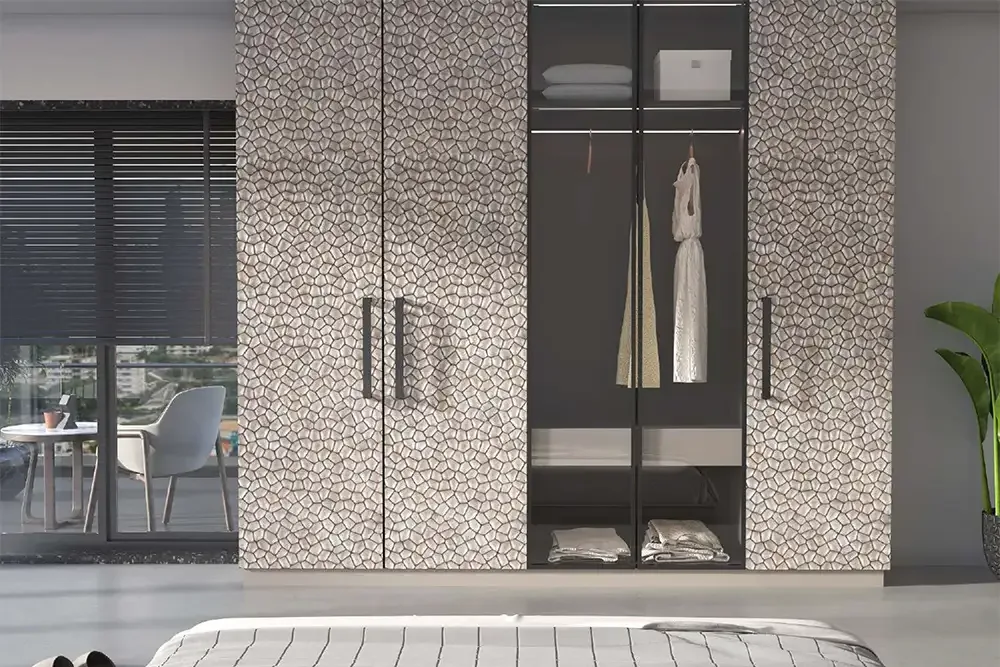
LMQ-163
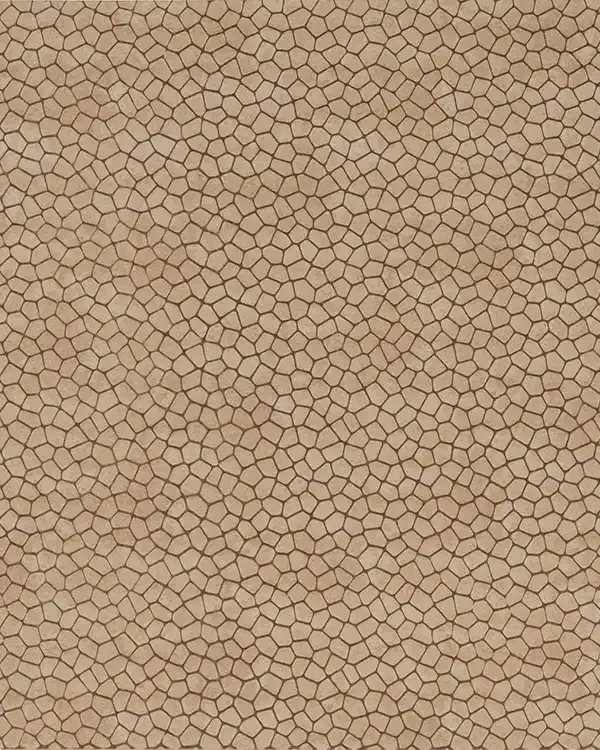
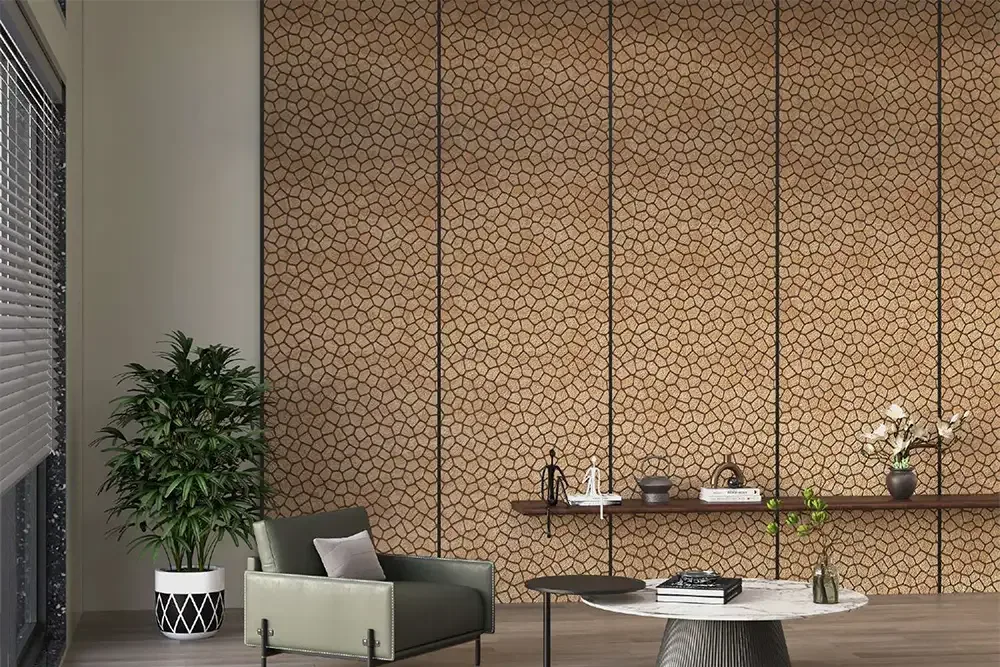
LMQ-164
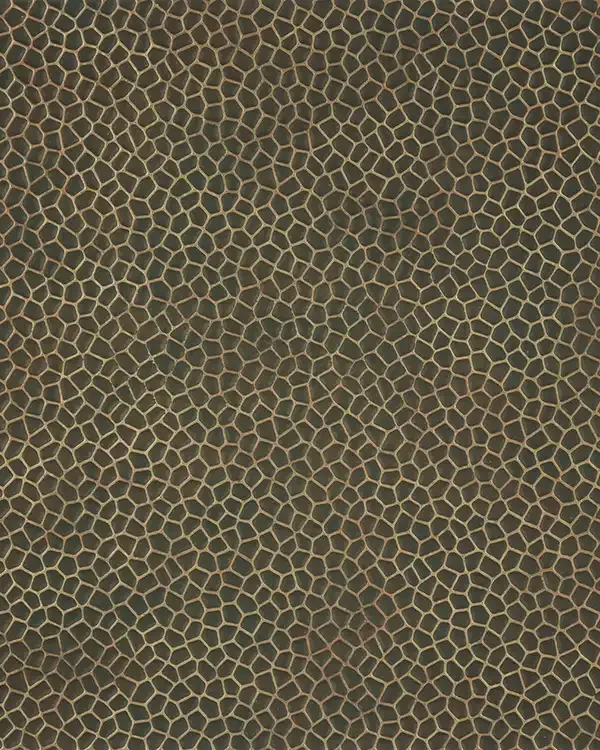
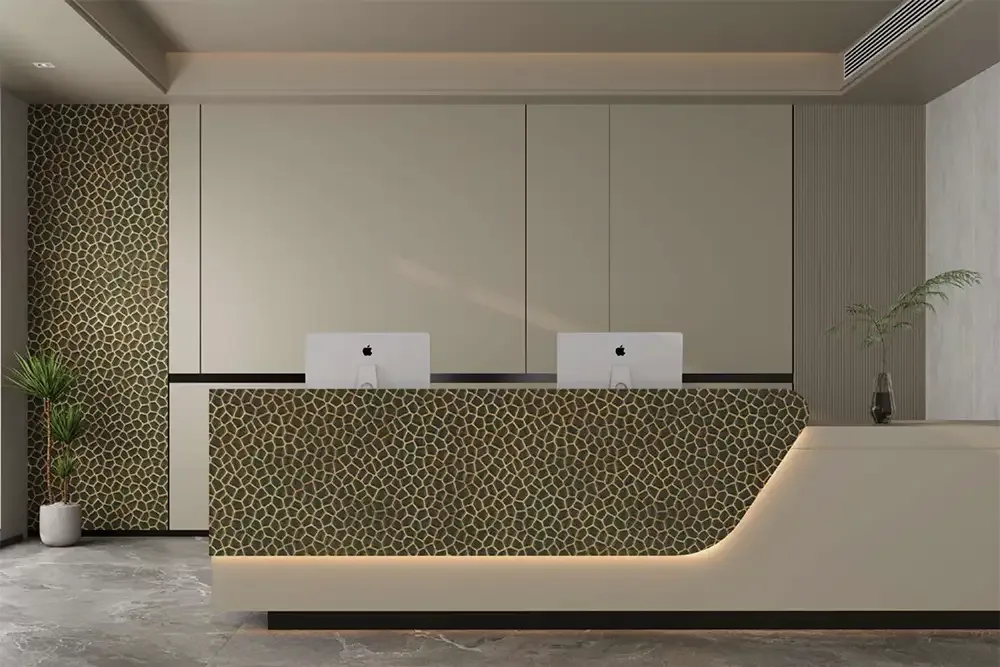
LMQ-165
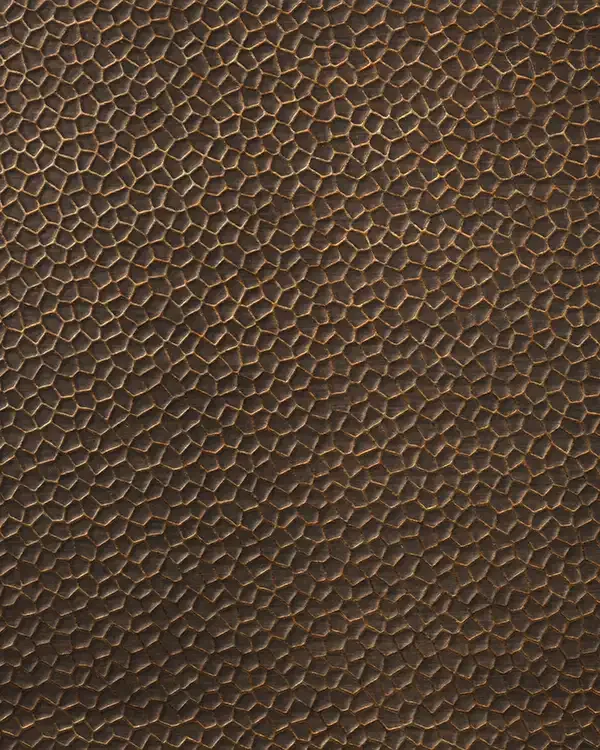
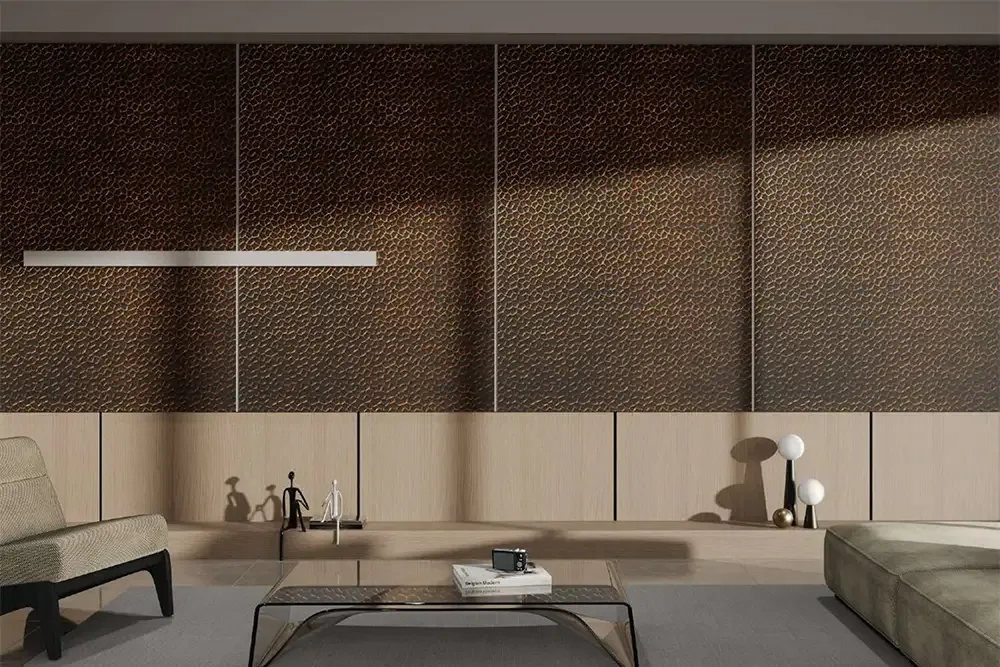
LMQ-166
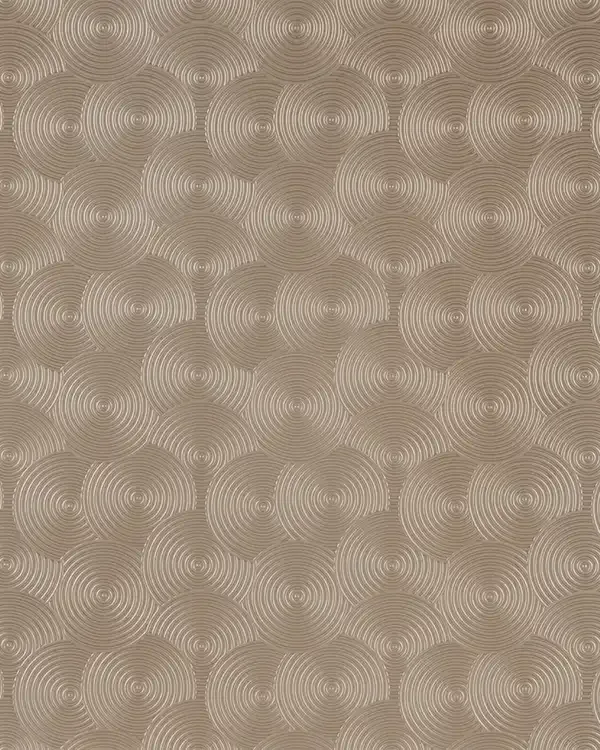
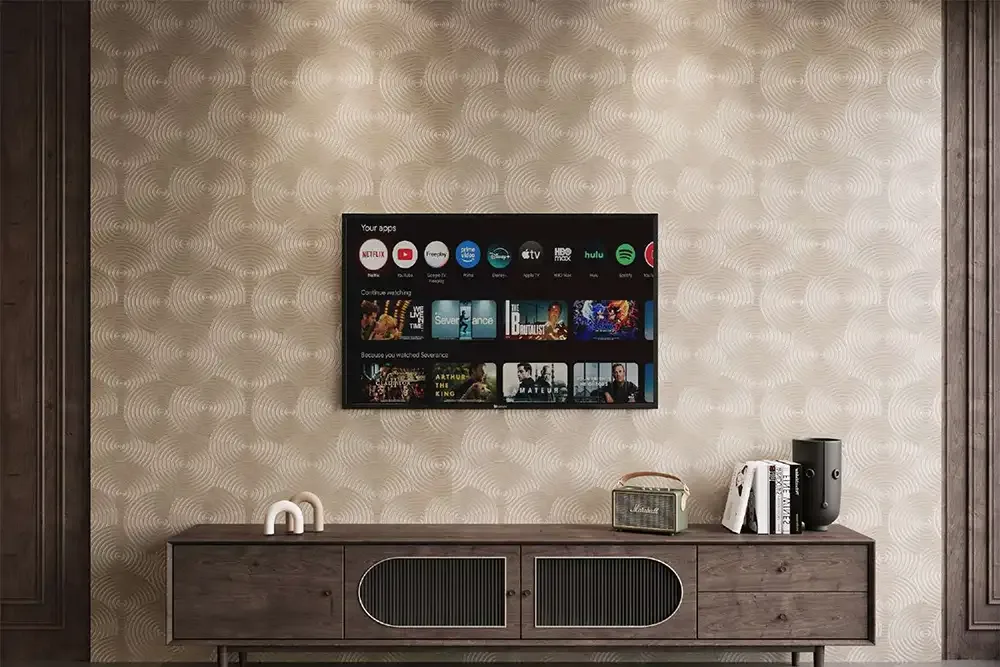
LMQ-167
LMQ-168
LMQ-169
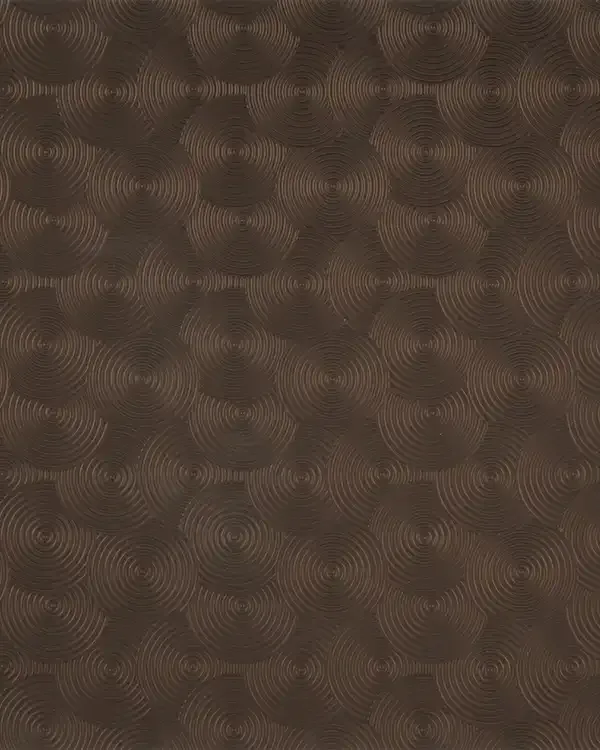
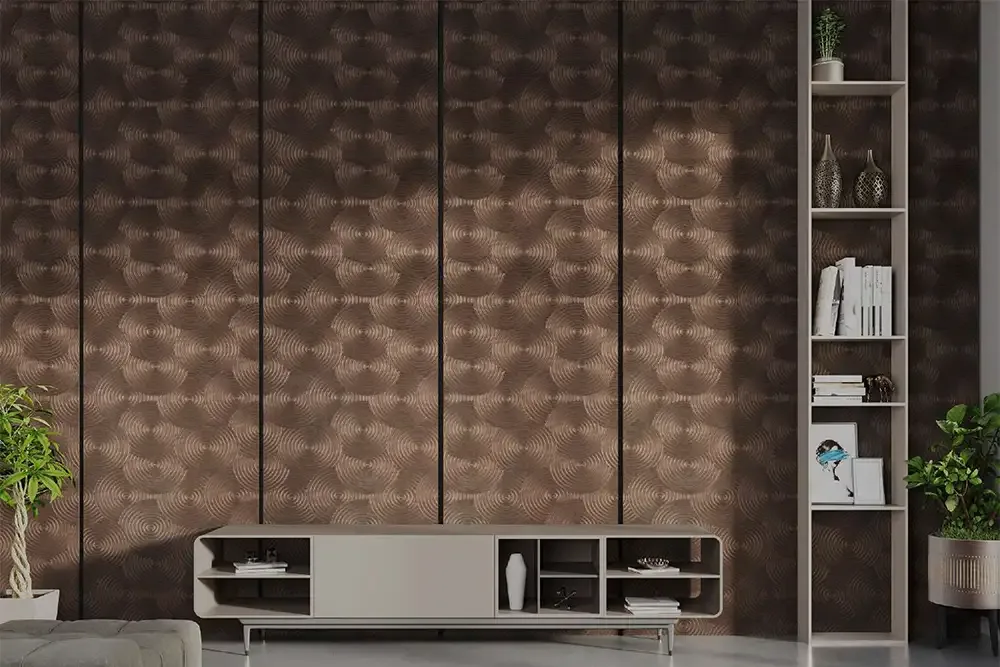
LMQ-170

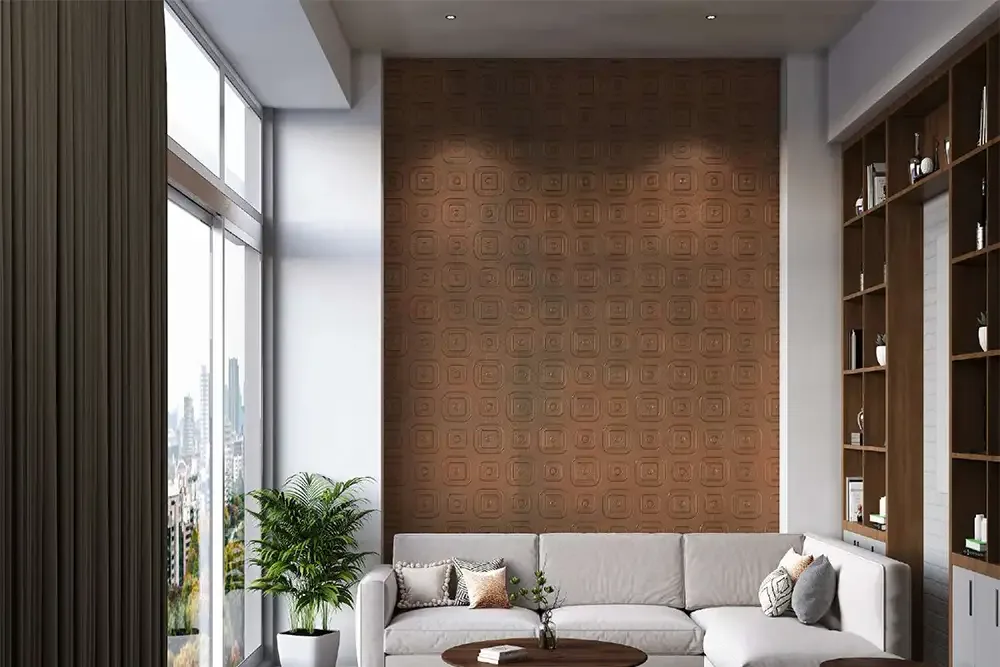
LMQ-171
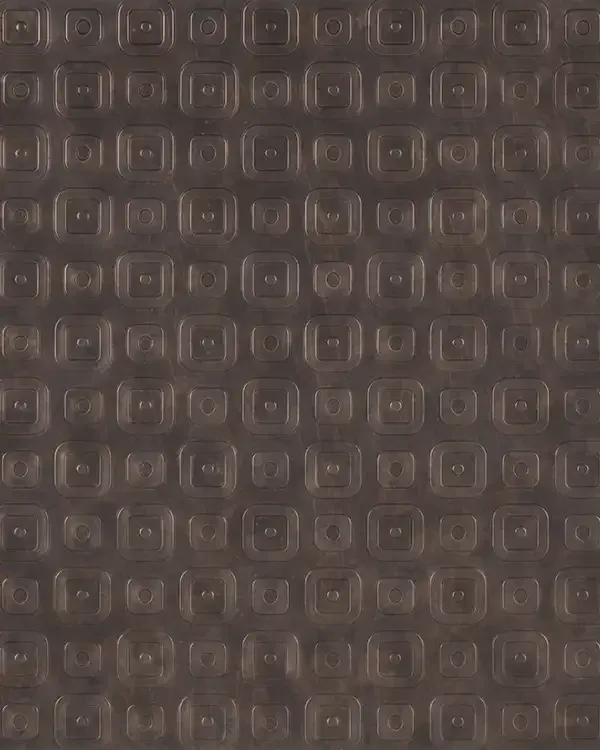
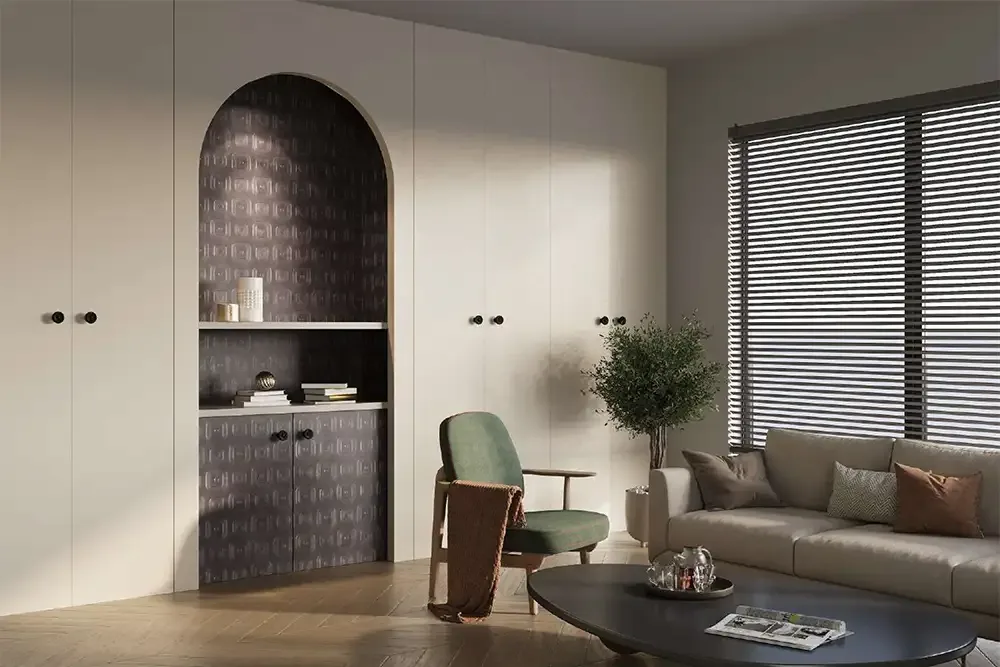
LMQ-172
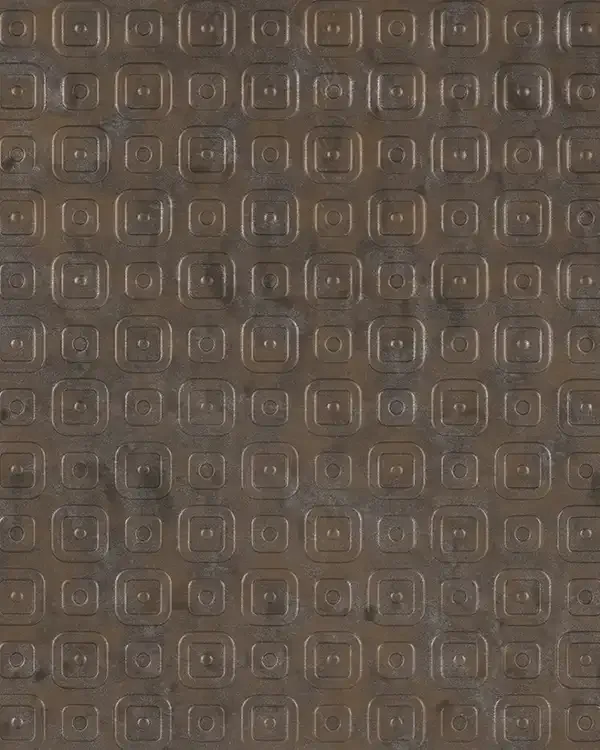
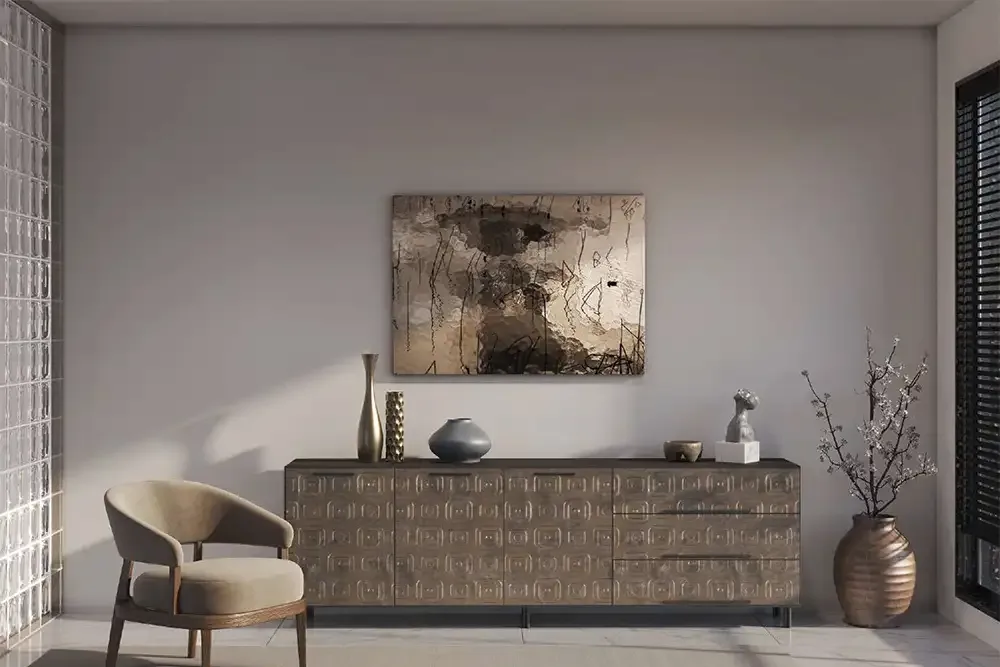
LMQ-173

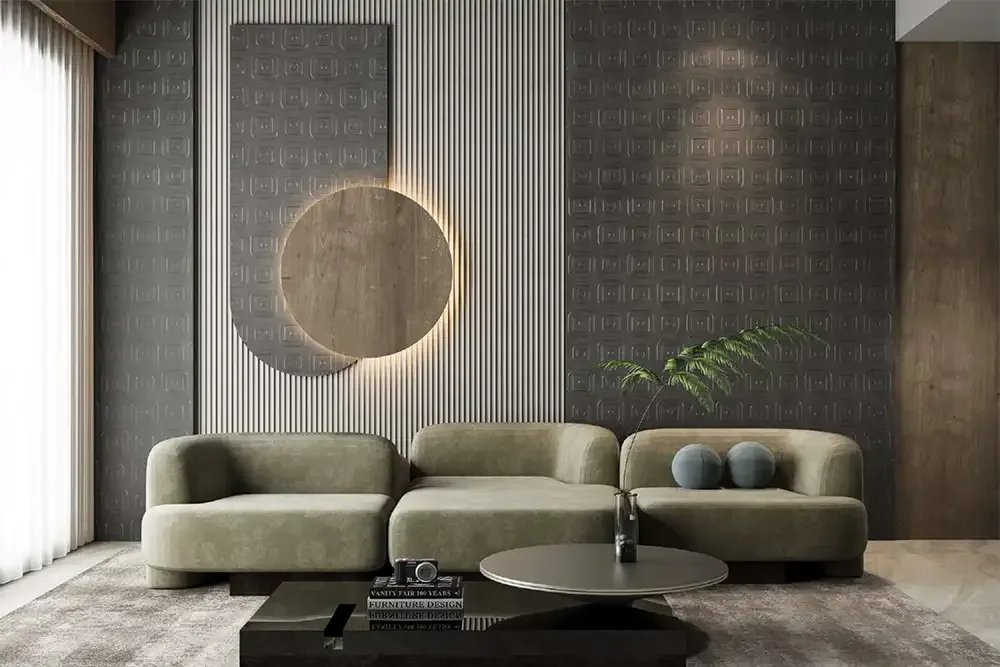
LMQ-174
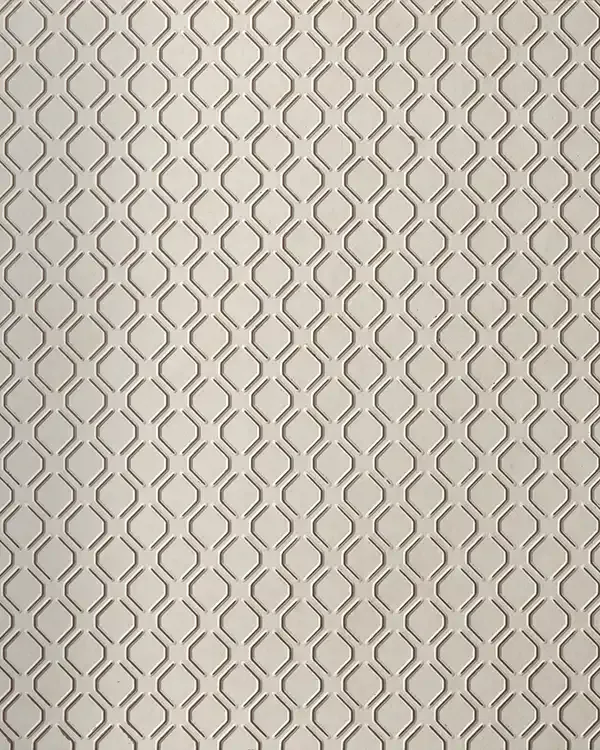
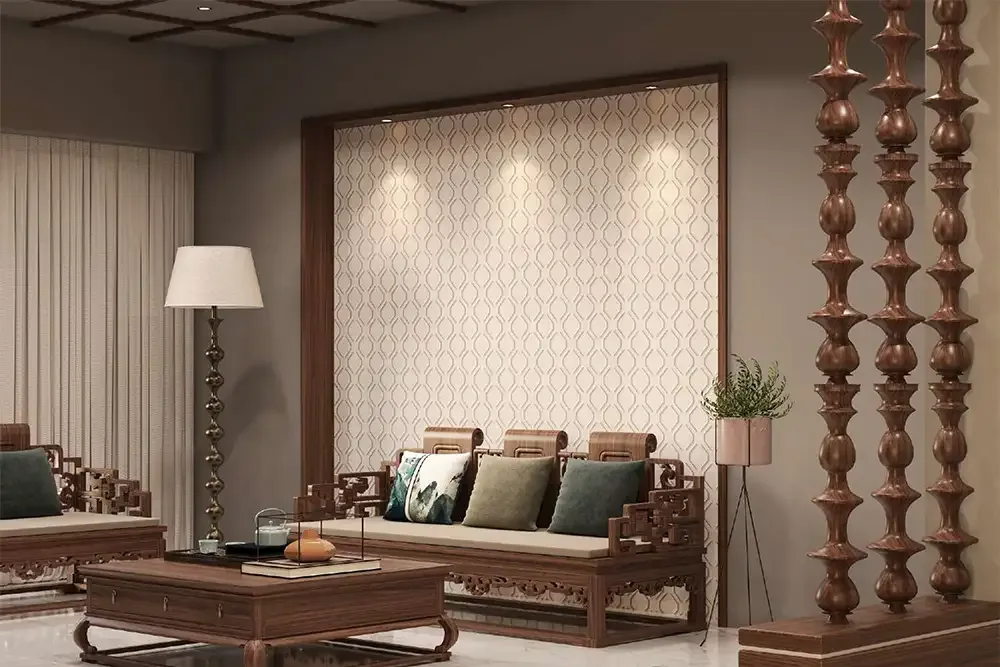
LMQ-175

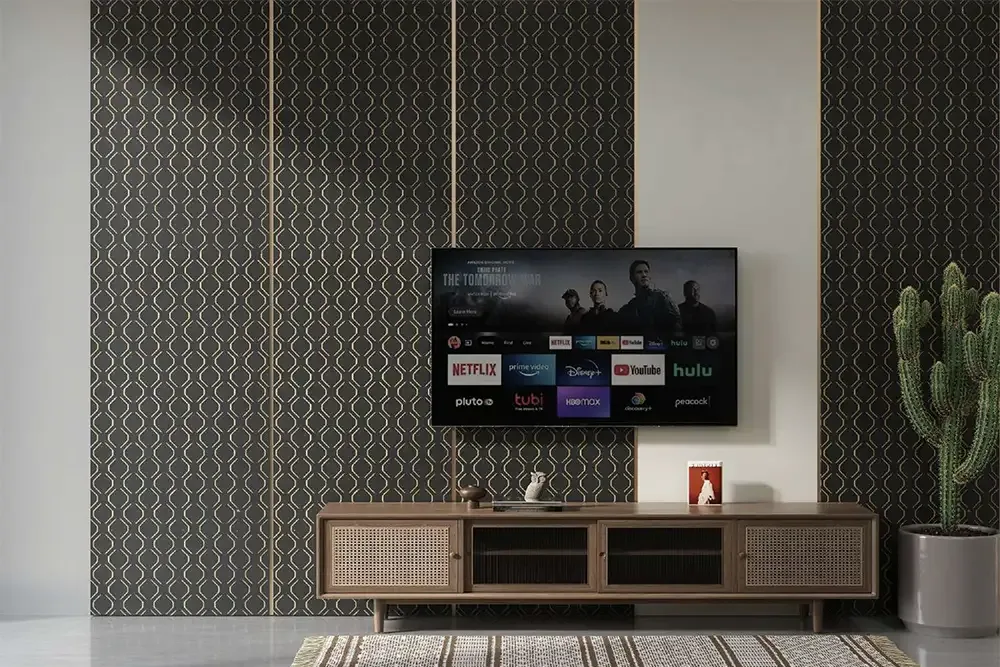
LMQ-176
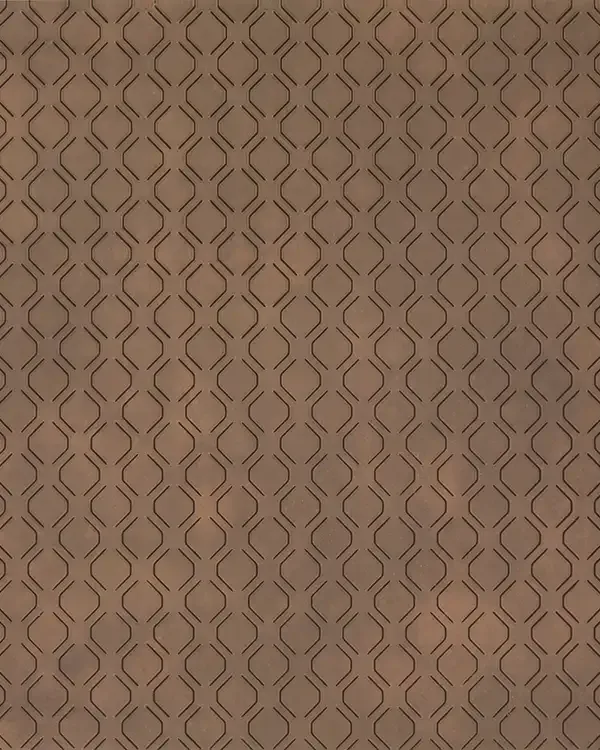
LMQ-177

LMQ-178
LMQ-179
LMQ-180
LMQ-181
LMQ-182
LMQ-183
LMQ-184

LMQ-185
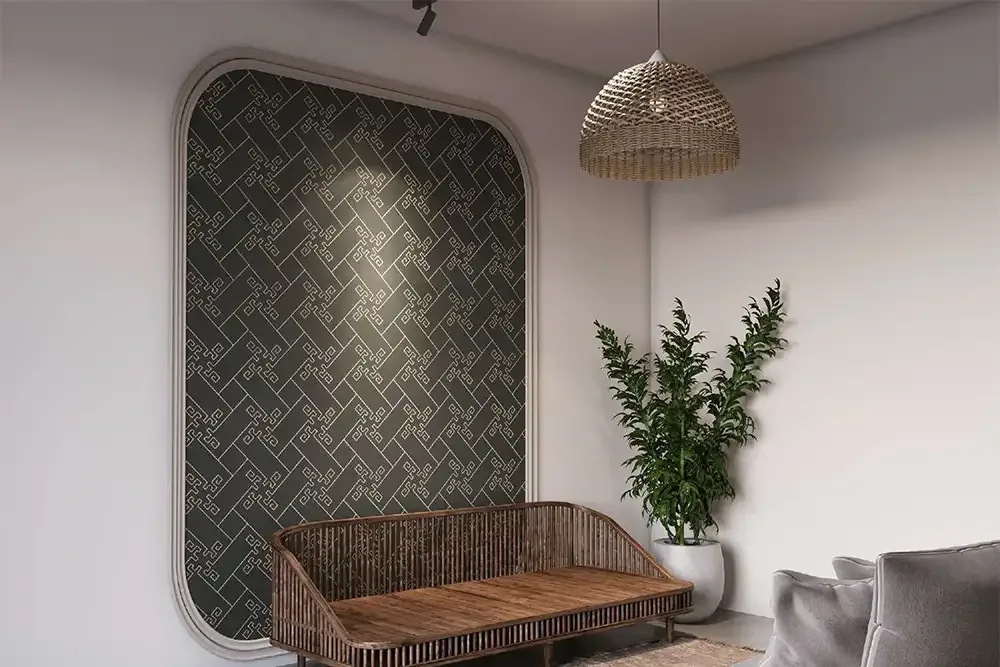
LMQ-186
Metalixo 2.0 Guide
Metalixo 2.0 Liquid Metal Panels for Distinctive Interior Walls
Metalixo 2.0 by Mark Decor brings decorative texture, directional pattern and considered colour to walls that deserve more than a plain painted finish. Part of the Liquid Metal Panel collection, it offers designers a wide range of stone-inspired, mosaic, ripple and geometric appearances for contemporary residential and commercial interiors. These decorative wall panels can create a quiet architectural background or a stronger focal point, depending on the design selected.
The name Liquid Metal Panel identifies the collection and its design language; it should not be mistaken for a claim that the panel is a solid sheet of metal. The Metalixo 2.0 catalogue identifies its construction as high-impact polymer sheet. This distinction matters when comparing appearance, handling, dimensions and installation with other decorative materials.
High-Impact Polymer Construction, Size and Thickness
Metalixo 2.0 is specified as a high-impact polymer sheet intended for decorative wall cladding. Its catalogue size is 600 x 2900 mm, a long panel format that allows textured designs to run through taller wall compositions. The listed thickness is 2 to 4 mm depending on the mould pattern; it is not one fixed thickness for every design. Confirm the exact profile and measurements for the selected code before final fabrication or quantity planning.
The catalogue describes the range as lightweight, high-strength and relatively easy to handle. These are useful qualities for interior surface planning, yet a finished installation still depends on wall preparation, appropriate adhesive, workmanship, junction details and site conditions. Review the published specifications alongside the exact site and wall assembly, not as a substitute for technical approval.
Stone-Look and Mineral Textures for Quiet Architectural Backdrops
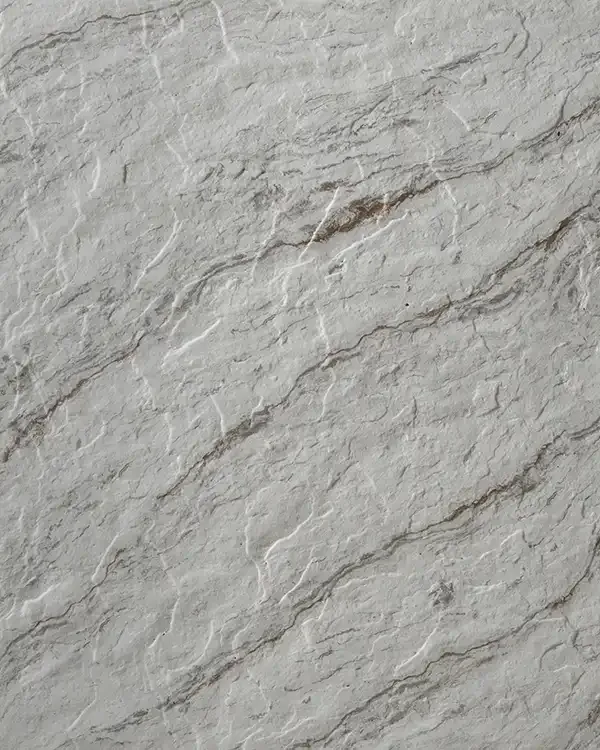
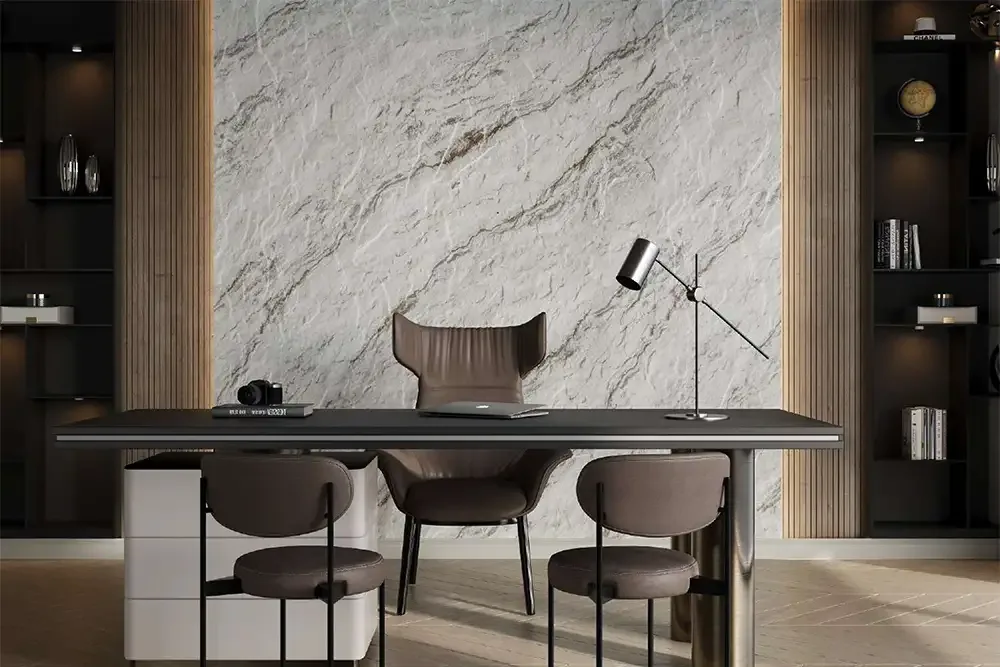
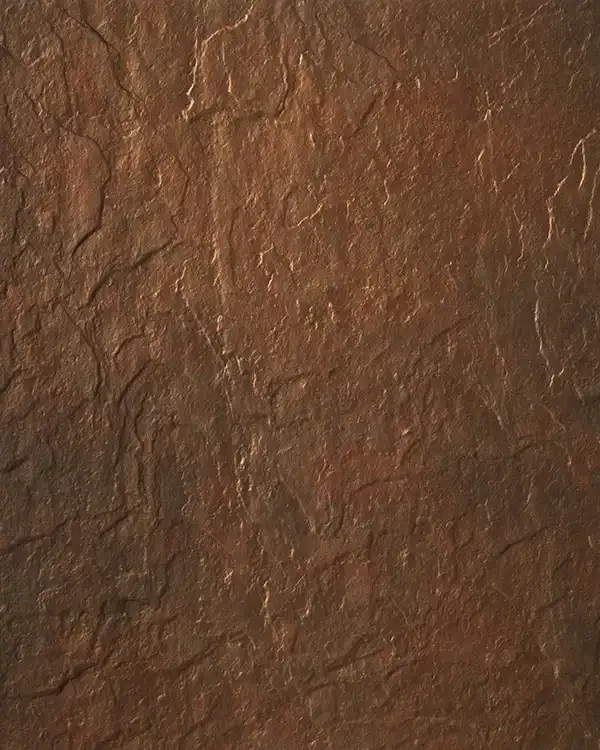
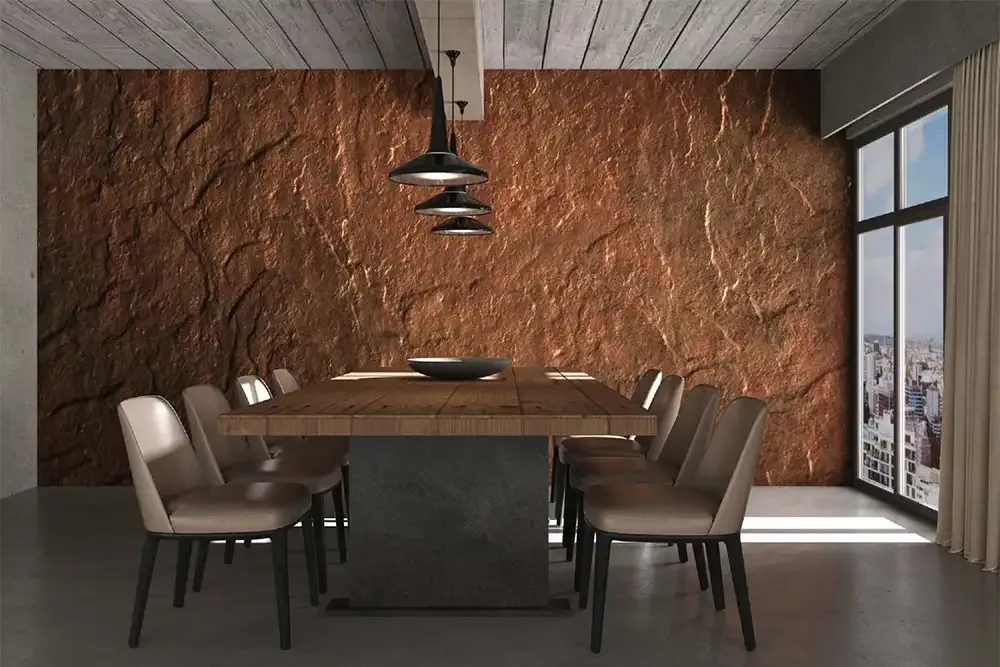
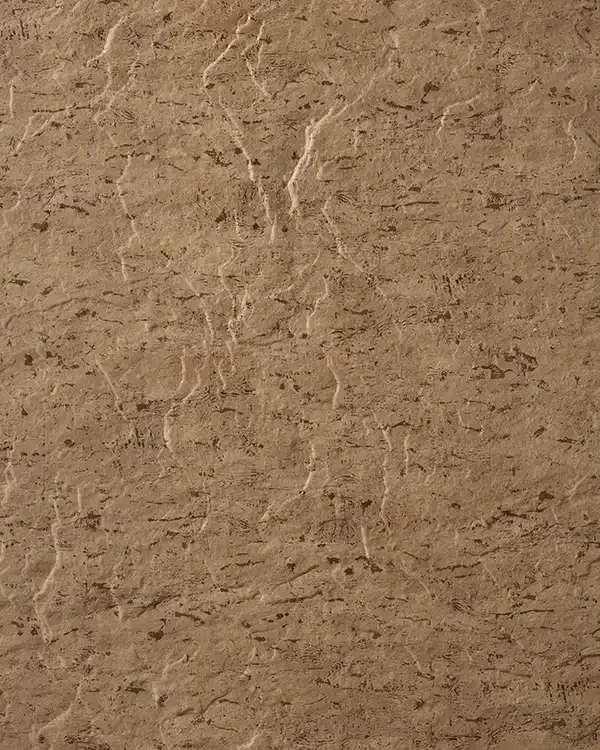
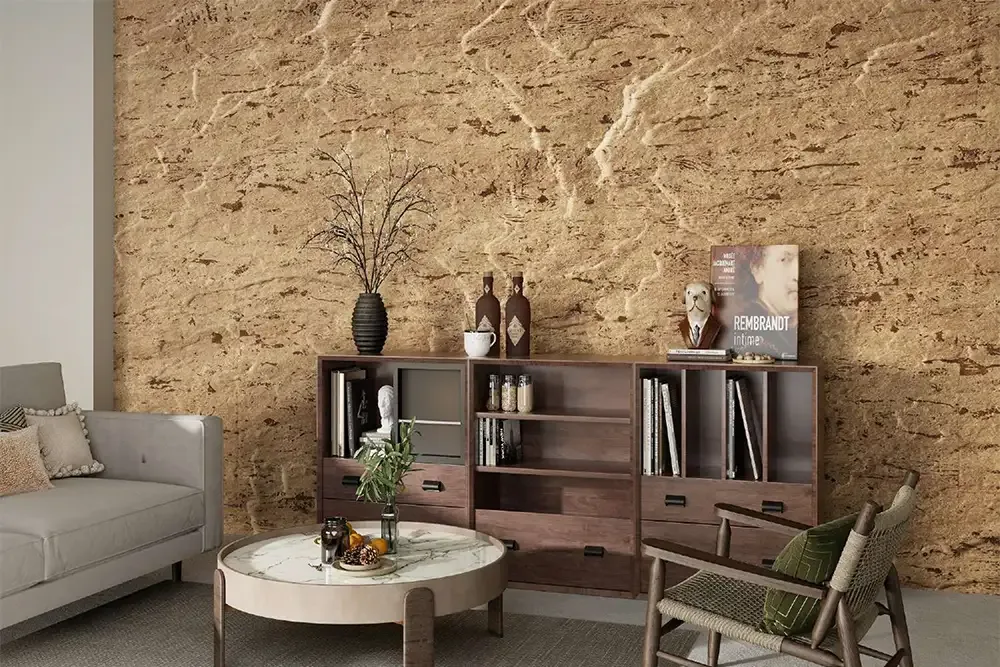
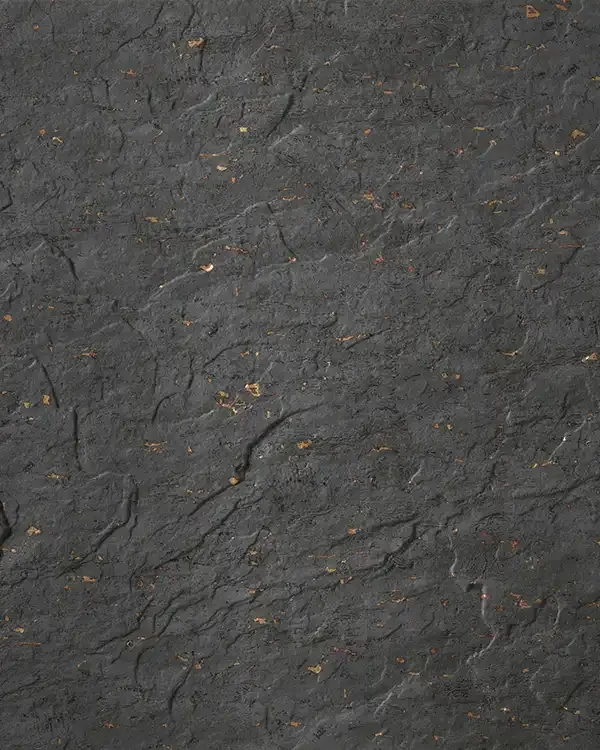
Some Metalixo 2.0 designs borrow their visual character from weathered stone, fractured minerals, sediment layers and gentle veins. For example, LMQ-151 uses a pale grey, diagonal stone-inspired pattern, while LMQ-152 offers a quieter fractured-grey appearance. Warmer ivory, rust, sand and bronze-brown alternatives introduce earthy colour without relying on a uniform painted surface. These are stone-look decorative panels, not claims of natural stone construction.
Choose a softer stone-inspired surface when the wall needs texture but the furniture, artwork or television should remain the dominant feature. More defined mineral patterns can work in a focused alcove or as one accented plane. Compare large samples under the actual room lighting: a pattern that appears subtle in a catalogue may be much more active across adjoining panels.
Mosaic and Pebble-Inspired Decorative Wall Panels
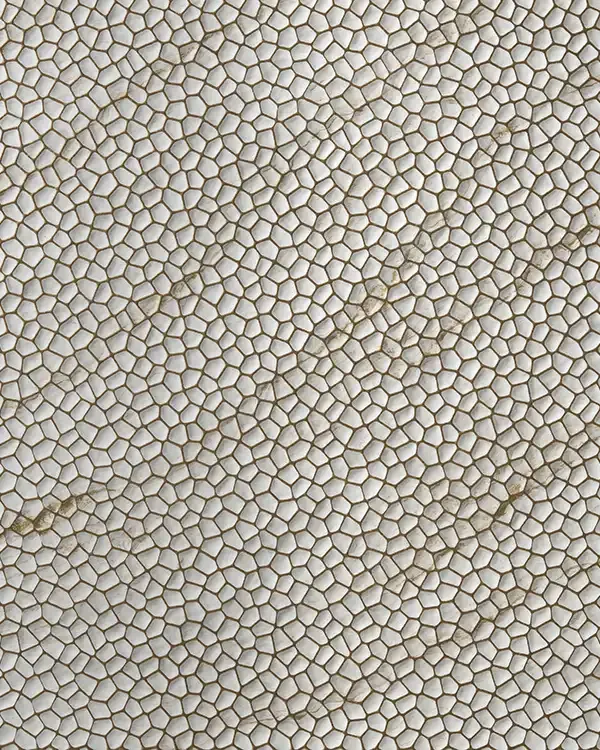
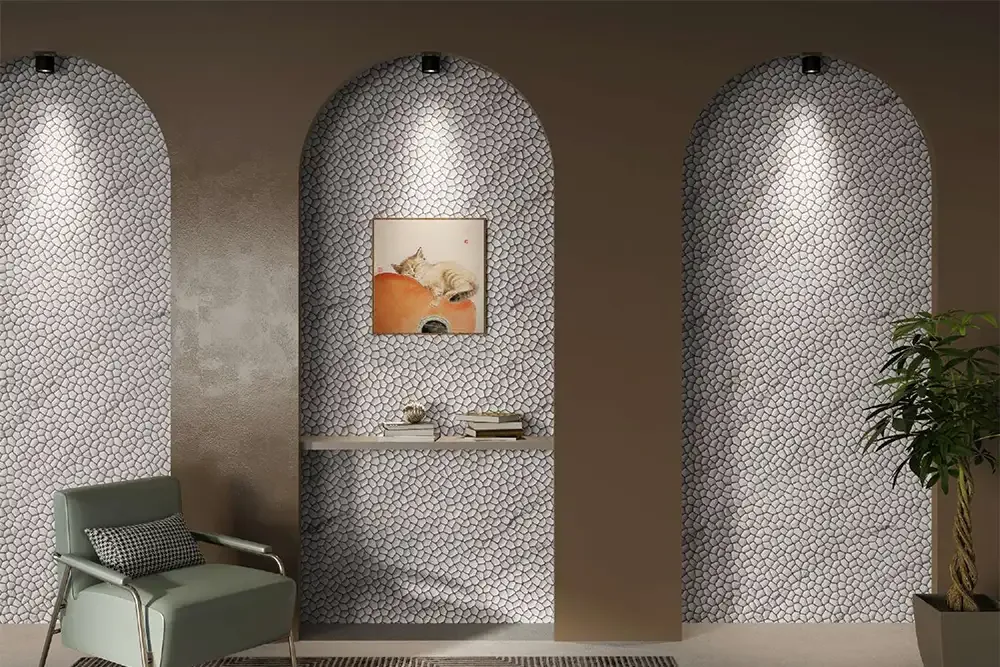
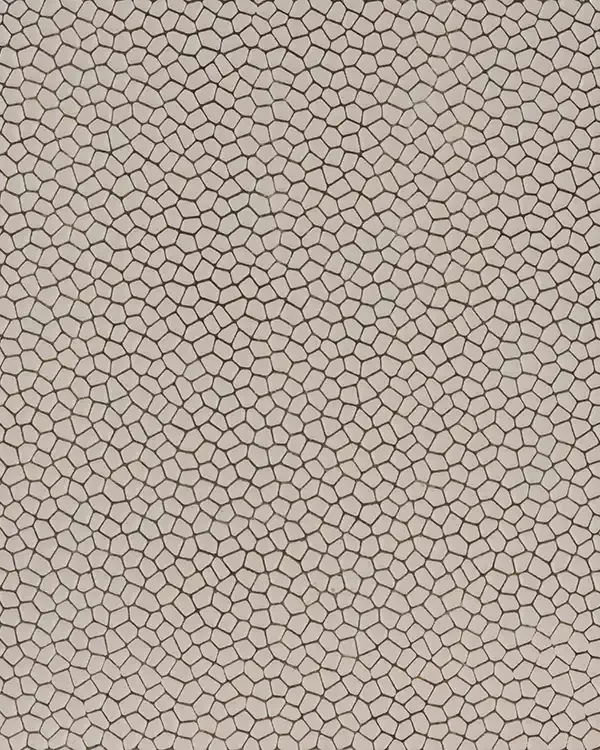
The collection also explores smaller repeating shapes that read as pebble-like mosaics or irregular cells. LMQ-160 is an example of a fine ivory-toned organic mosaic, while nearby designs vary the outline, scale and perceived surface depth. The catalogue includes cool grey, warm beige, olive and darker bronze-related interpretations. Although these designs are part of one family, differences in contrast and cell size can change their overall effect considerably.
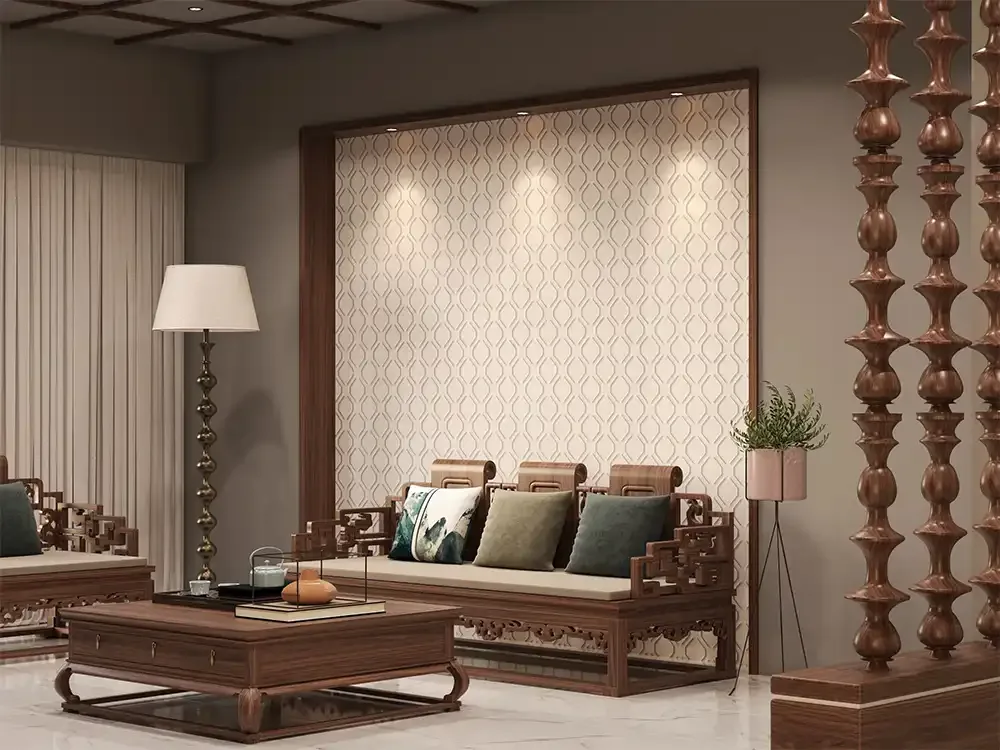
Fine-texture panels are useful when a smaller architectural element needs detail: a reception niche, a lounge corner or a framed decorative recess can benefit from the repeated pattern. On broader walls, pair a visually busy mosaic with simpler cabinetry and restrained adjacent materials. Select the correct product code and sample; pebble-style panels are not interchangeable simply because their patterns are related.
Ripple Patterns, Curved Lines and Flowing Geometry
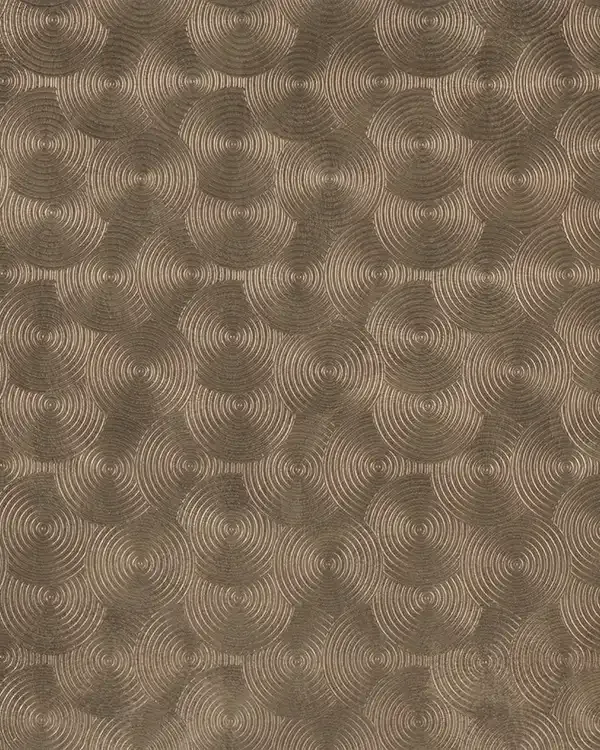
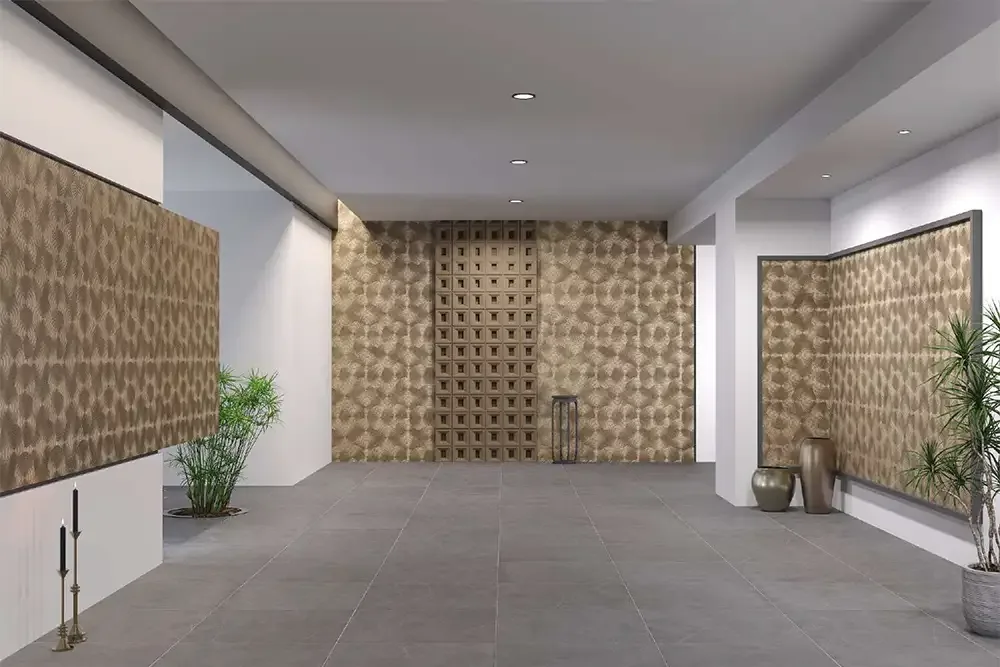
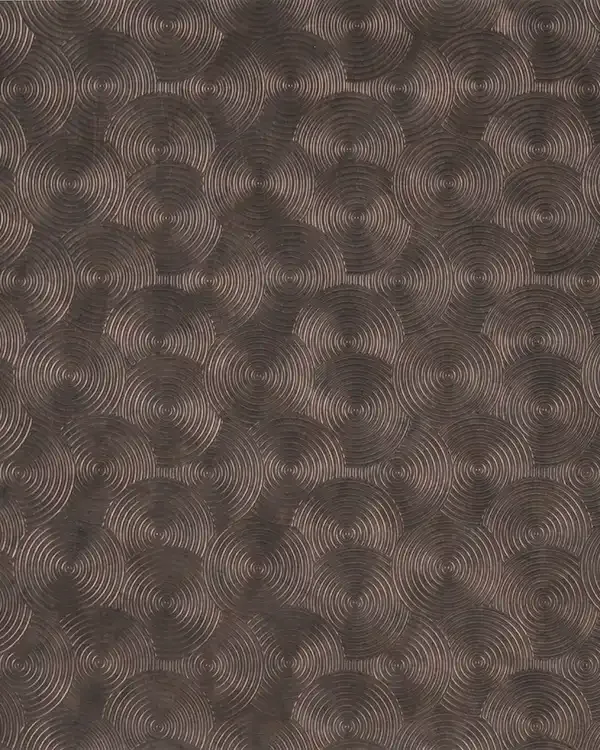
Where a stone effect feels too organic, ripple and wave-pattern wall panels offer a more rhythmic direction. Metalixo 2.0 includes curved, layered and scalloped motifs that move across the surface in repeated arcs. The LMQ-167 to LMQ-170 group provides different expressions of that flowing language, from gentler taupe tones to darker, more prominent curves. These designs are especially effective when side lighting reveals the pattern's changing highlights and shadows.
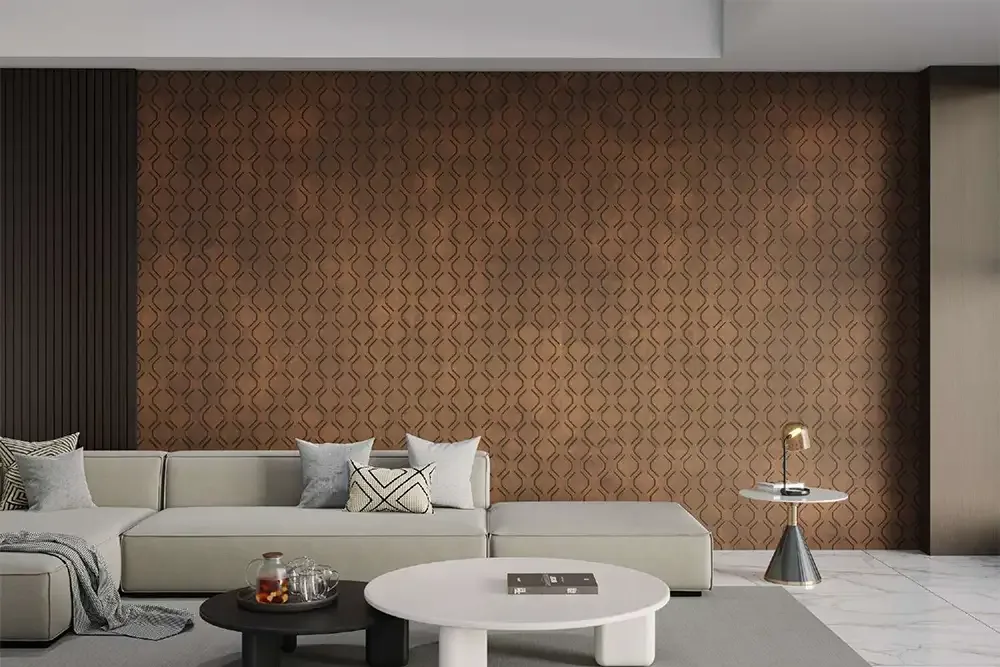
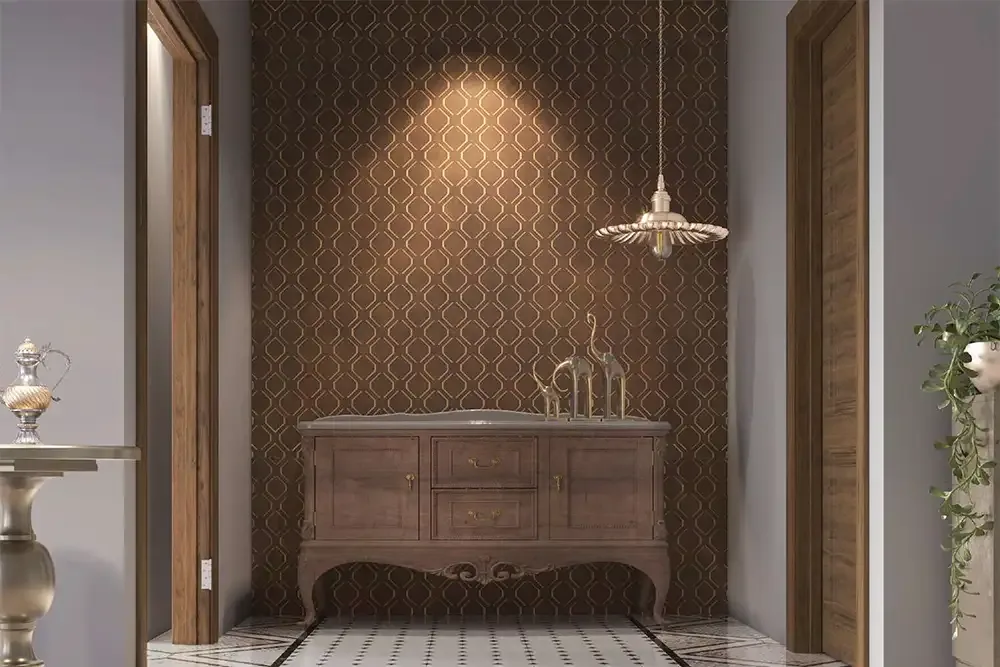
Other models, such as LMQ-175, develop softly curved, interlocking diamond shapes. The result feels more structured than free-flowing waves but less rigid than a straight geometric grid. Use such motifs to introduce motion behind a seating arrangement or within a wall panel feature. Keep neighbouring furniture and finishes simple so the curved pattern reads as an intentional design element.
Linear, Modular and Interlocking Geometric Designs
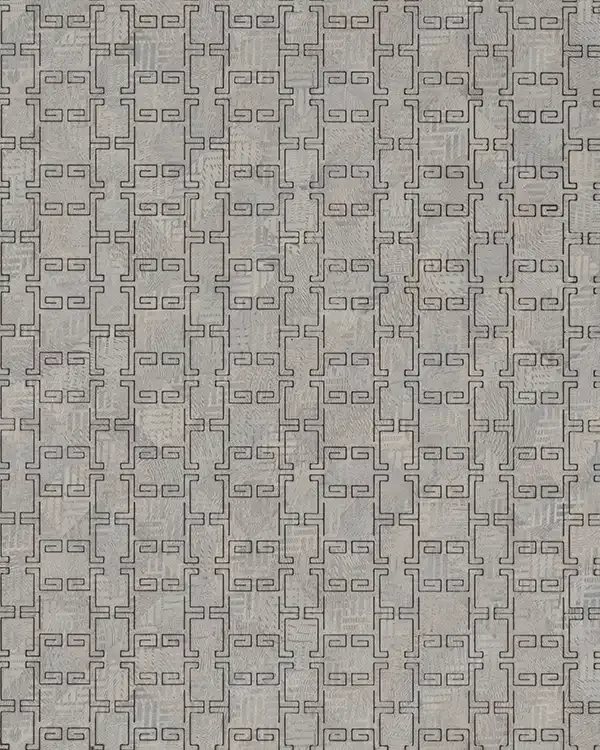
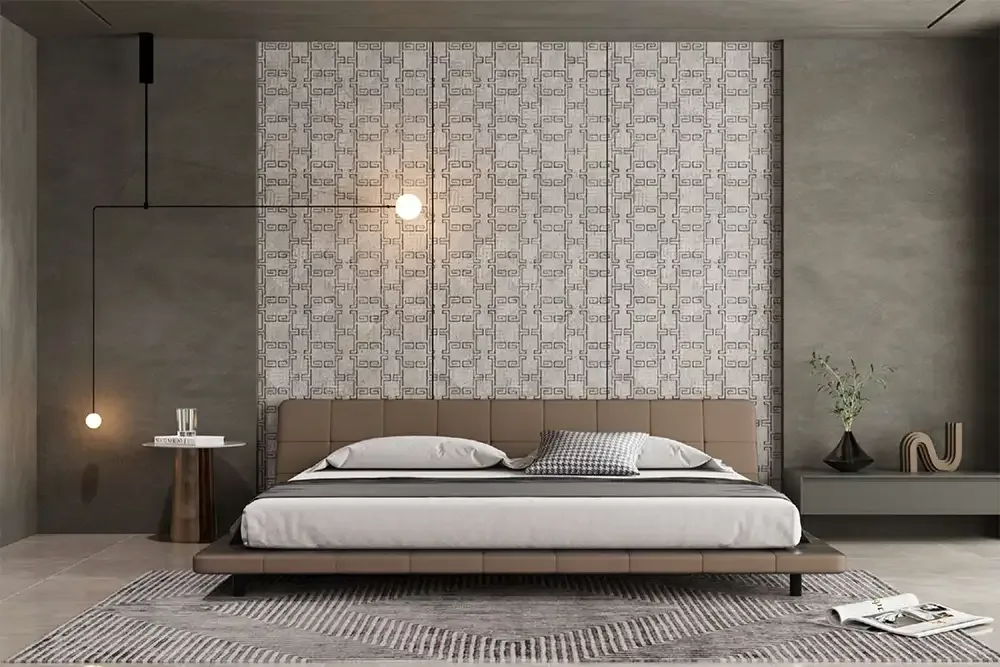
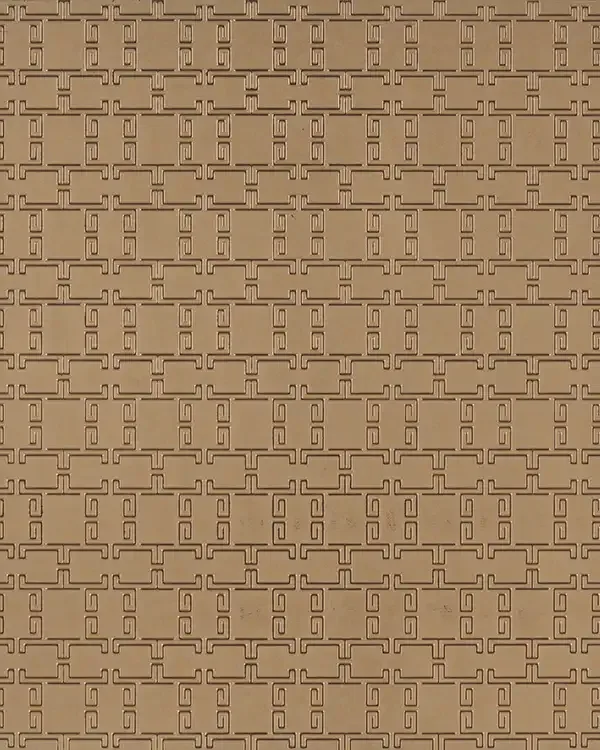
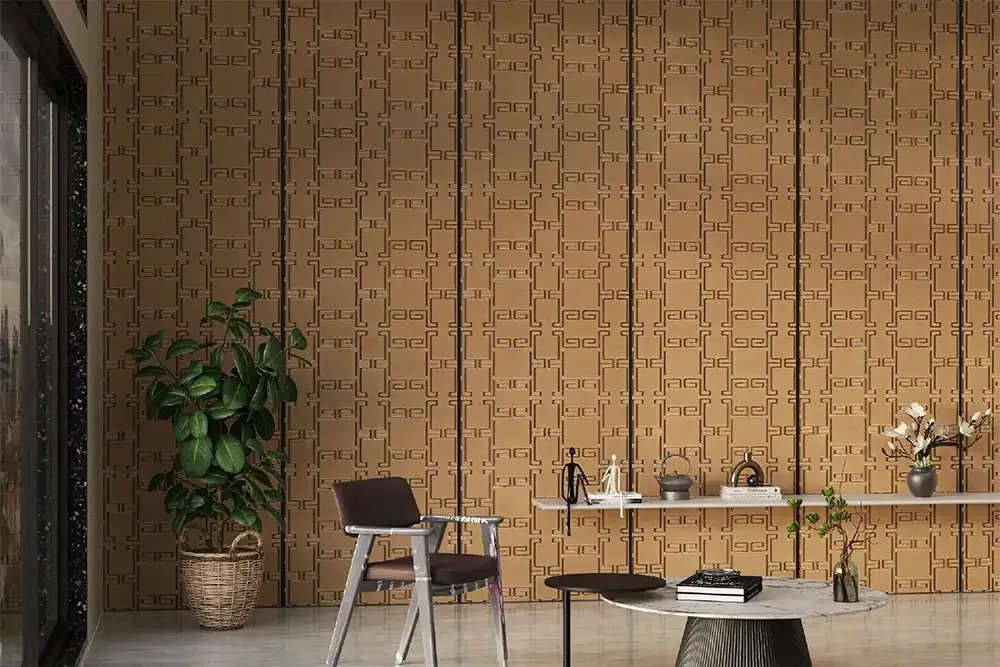
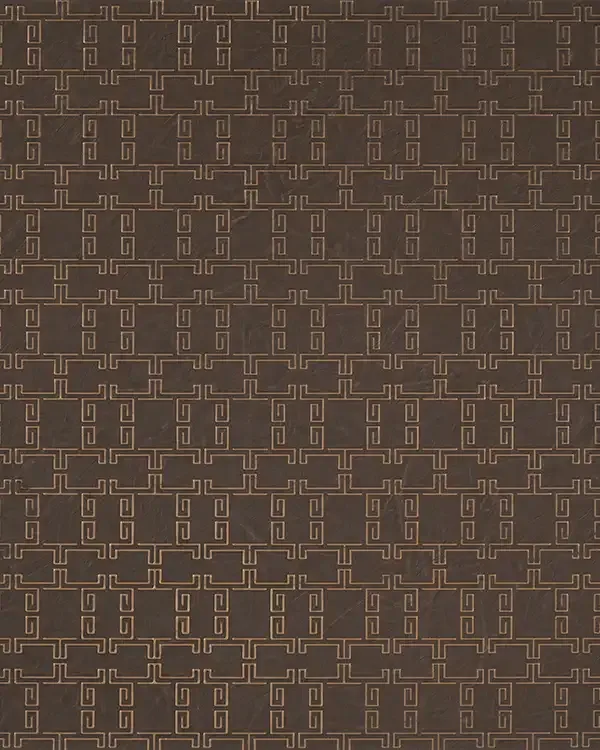
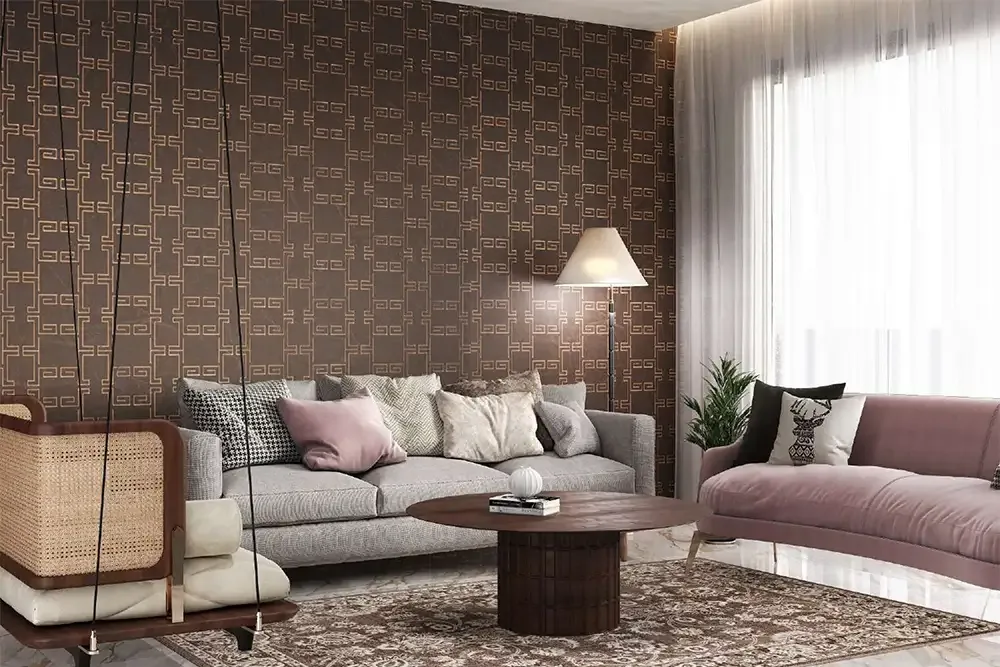
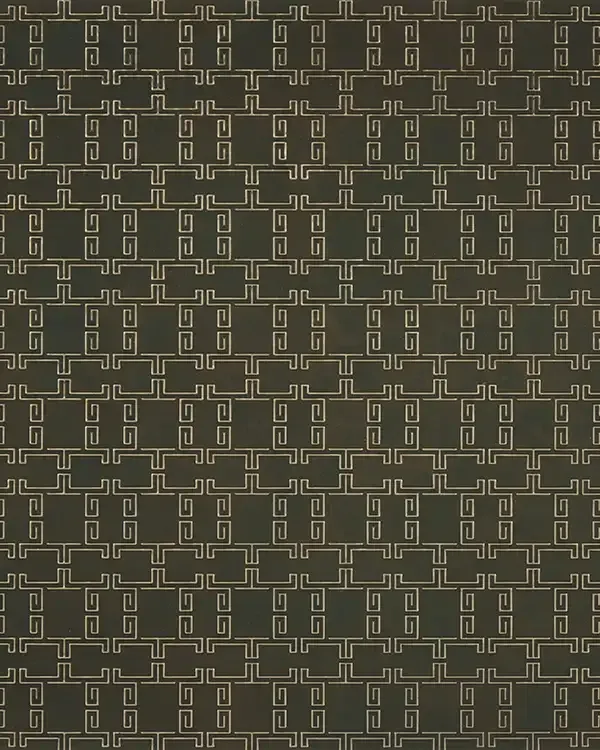
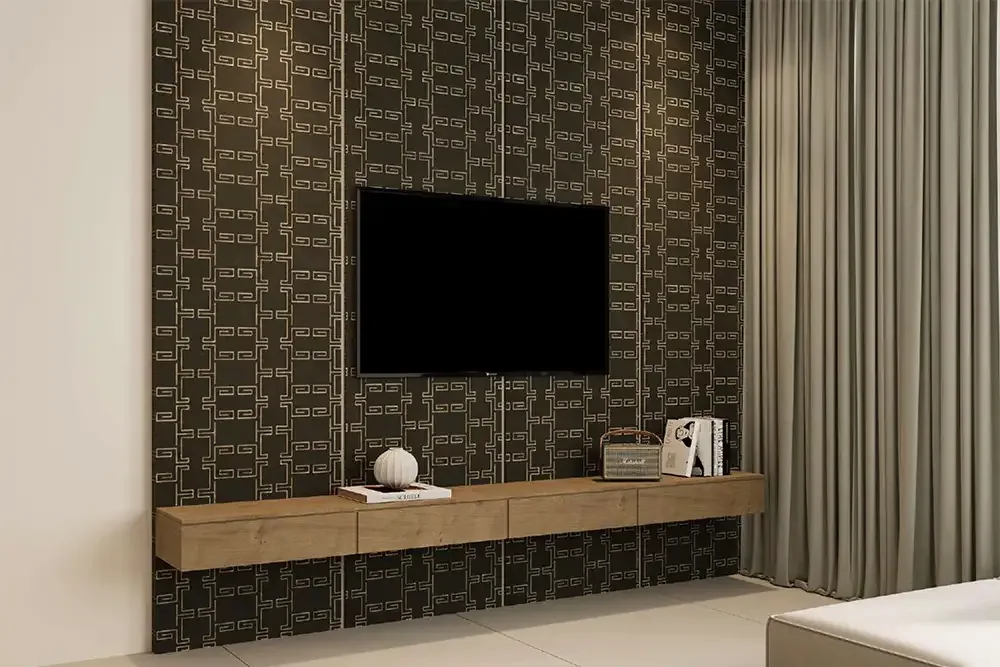
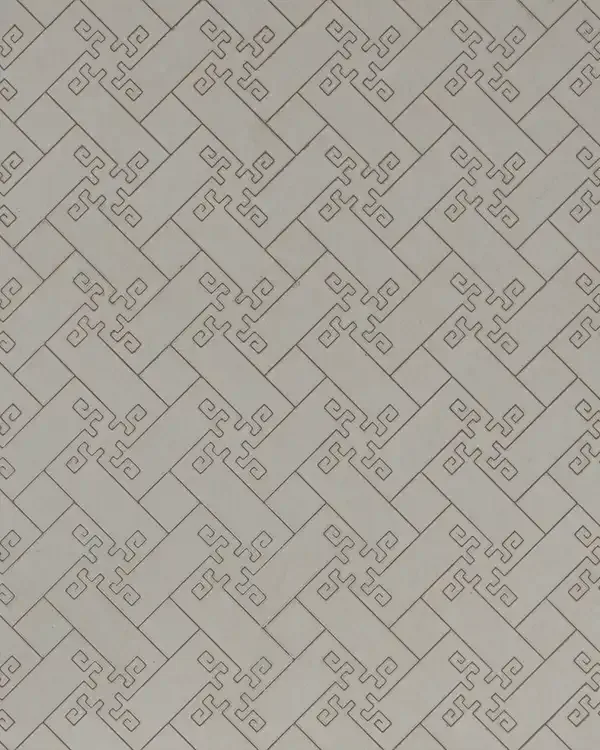
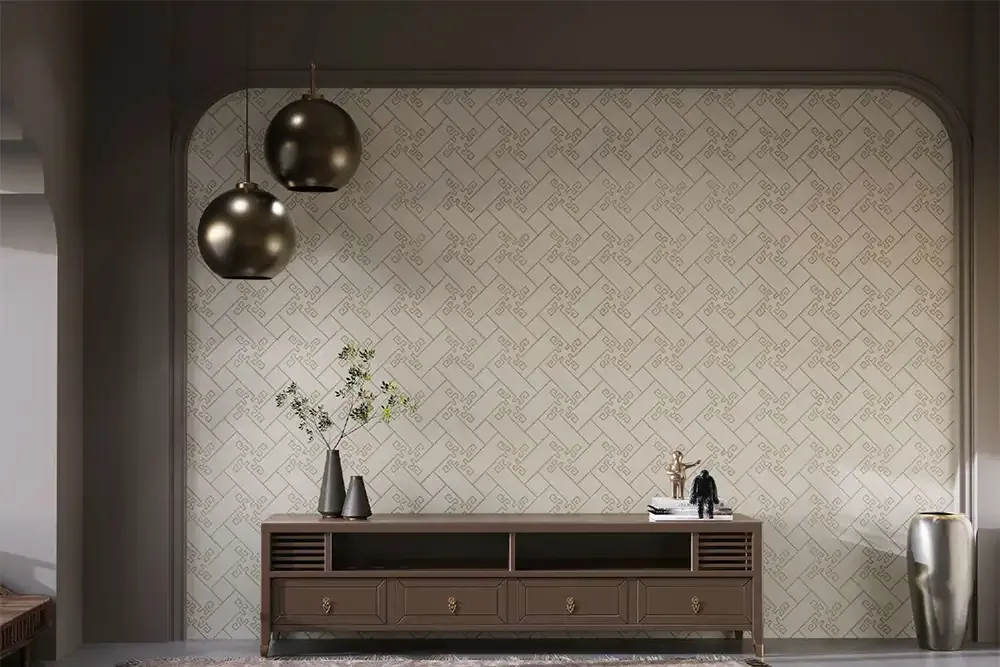
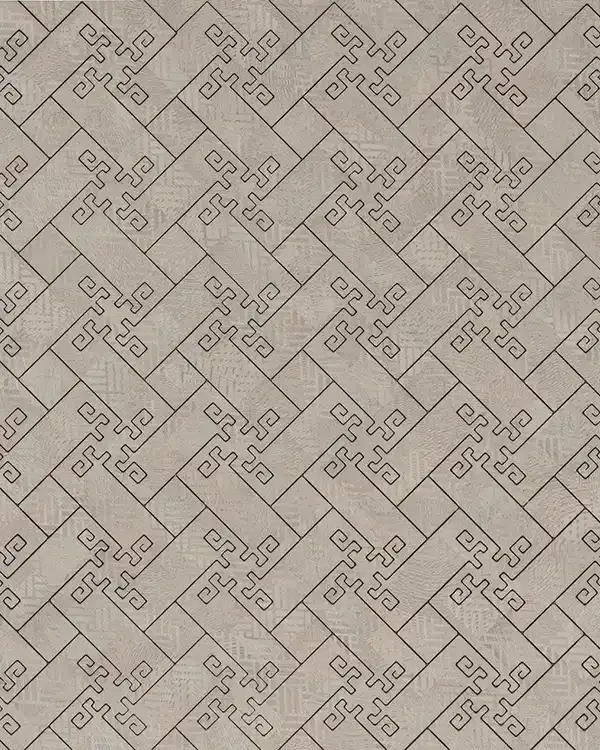
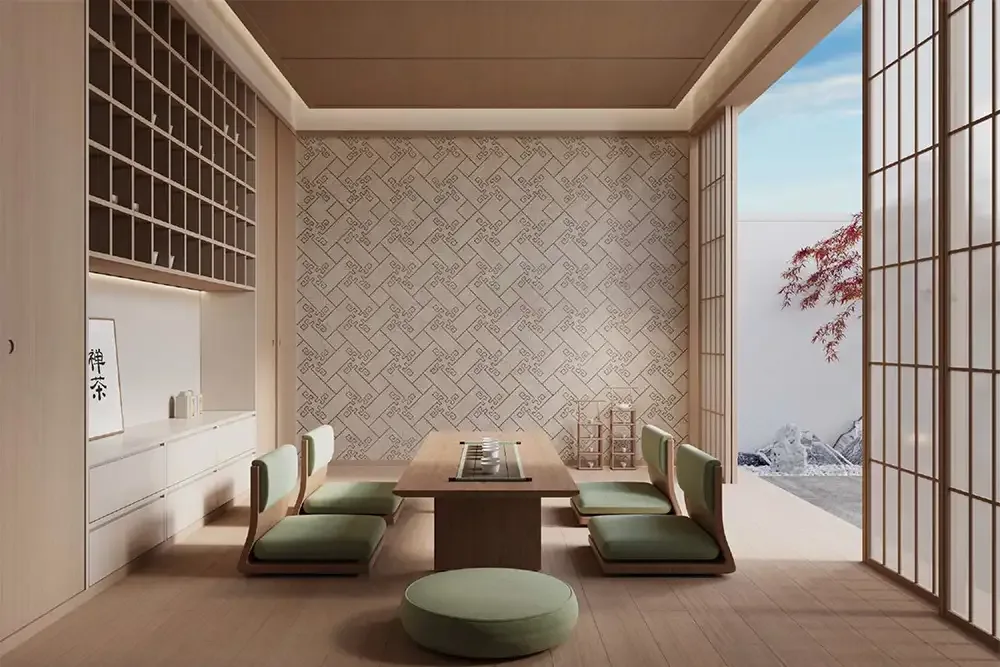
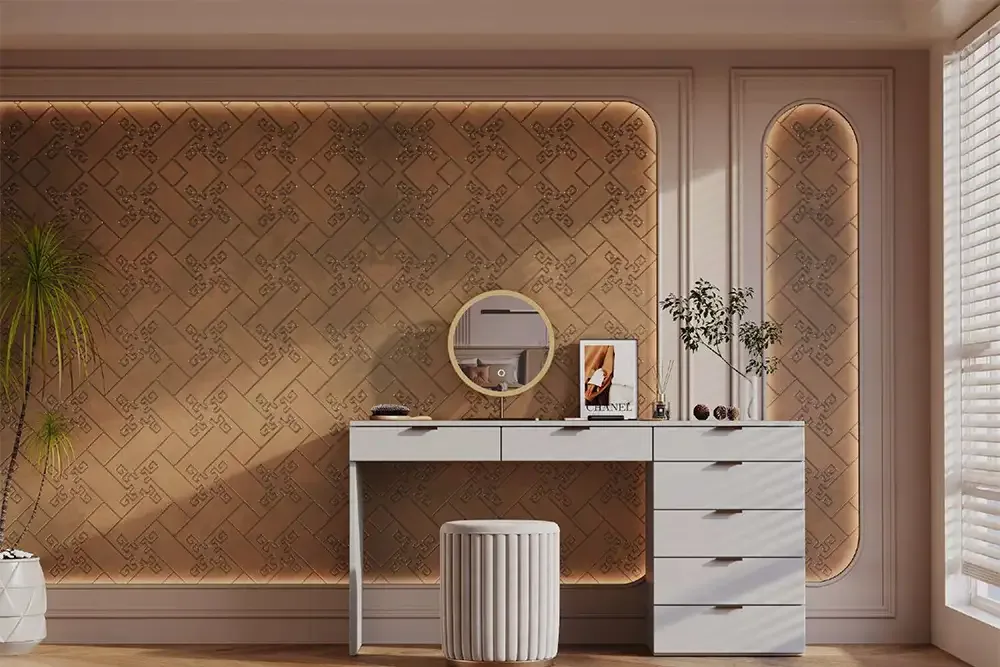
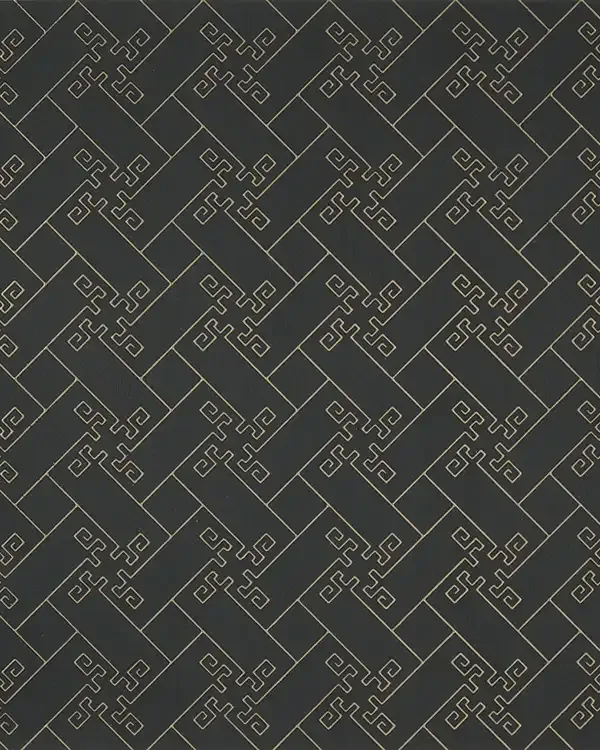
Metalixo 2.0 is not limited to nature-inspired surfaces. Rounded rectangular modules, fine vertical bars, short dash patterns and interlocking diagonal forms offer a more architectural character. The darker LMQ-174 has restrained modular outlines; designs around LMQ-179 to LMQ-182 explore linear and grid-like arrangements. Meanwhile, LMQ-183 to LMQ-186 introduce angular, interwoven geometry in lighter neutral through to charcoal-black palettes.
These designer wall panels can help create a measured visual rhythm beside shelves, reception furniture or a console. Check pattern direction and the way neighbouring panels will meet before ordering. A single sample cannot show how the pattern will repeat across a full wall, so agree orientation and joints on a layout drawing before installation.
Living Rooms, TV Walls and Bedroom Feature Areas
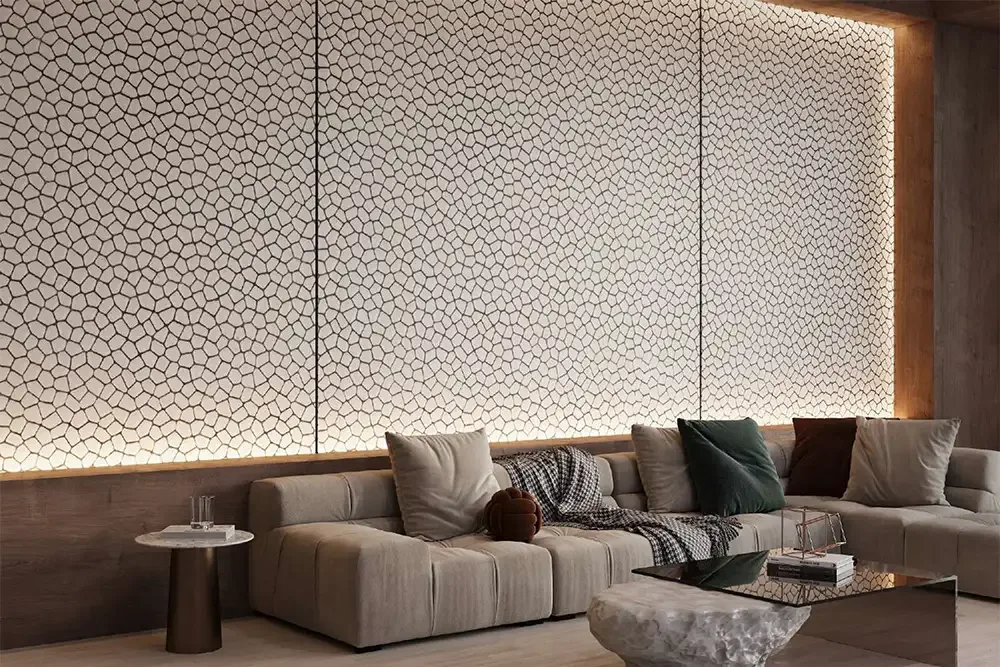
For residential projects, choose the wall's role first. A living room feature wall may need to complement upholstery and timber finishes, while a TV wall should usually keep the screen readable against its background. Light stone looks can support calm rooms; neutral geometric textures provide subtle definition; darker panels can create a deliberate contrast around a media unit. Consider cables, access panels and the location of electrical fittings before finalising the wall treatment.
In bedrooms, an accent behind the headboard can introduce pattern without covering every wall. Gentle beige, grey or muted stone-inspired surfaces are useful for a quieter mood. A richer ripple or dark geometric finish may work in a limited inset section, especially when paired with simple bedding and soft, directional lighting. The catalogue lists living room and bedroom applications, but selection should still consider the actual room, furniture proportions and installation requirements.
Offices, Reception Areas, Hotels and Other Commercial Spaces
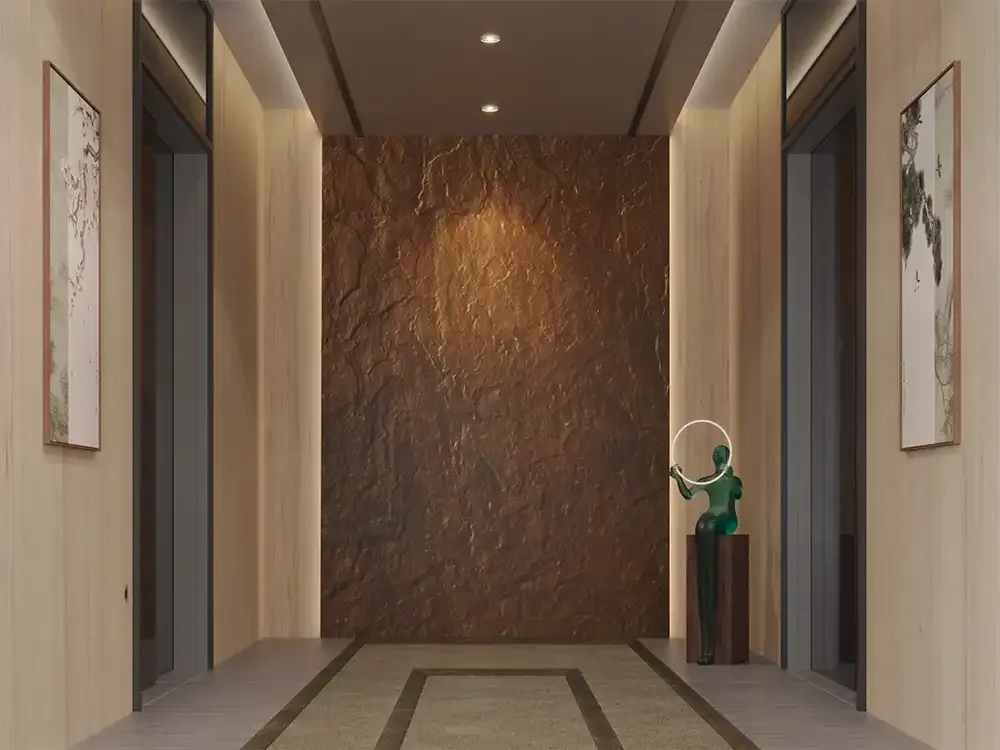
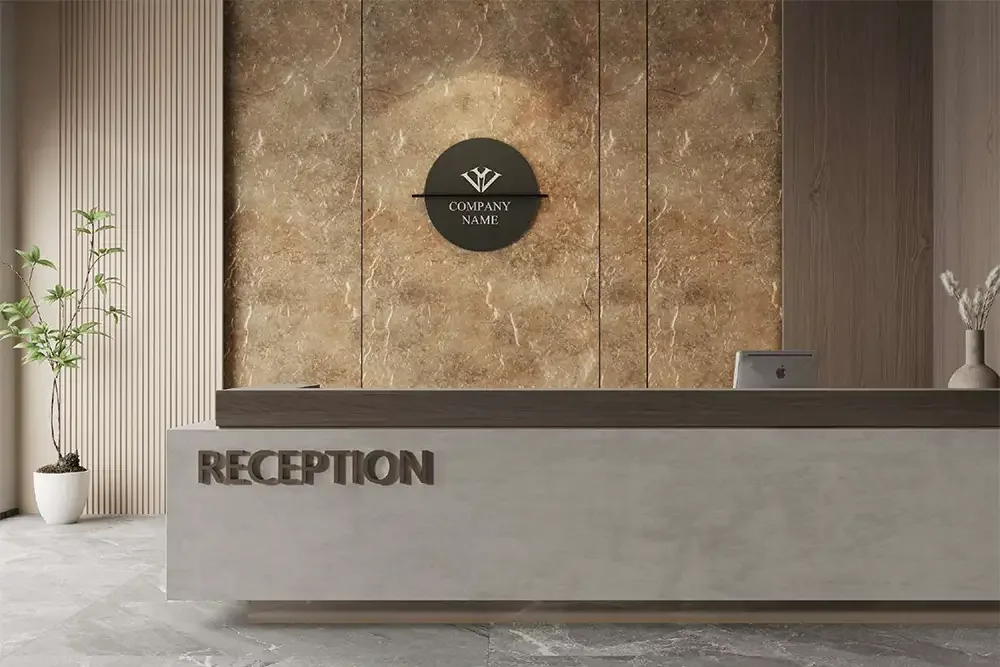
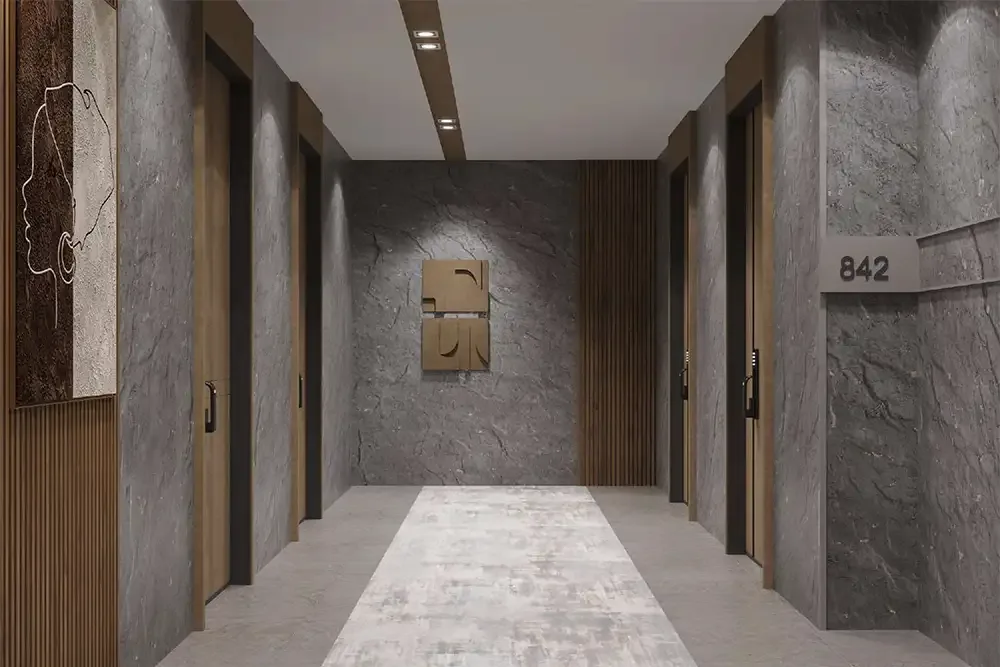
Commercial interiors often need a feature surface that feels designed without distracting from the way the space functions. Metalixo 2.0 offers options for office wall cladding, meeting-area accents, hotel interiors and reception backdrops. A restrained mineral texture can support a professional atmosphere, while a dark geometric pattern may frame a branded wall or console.
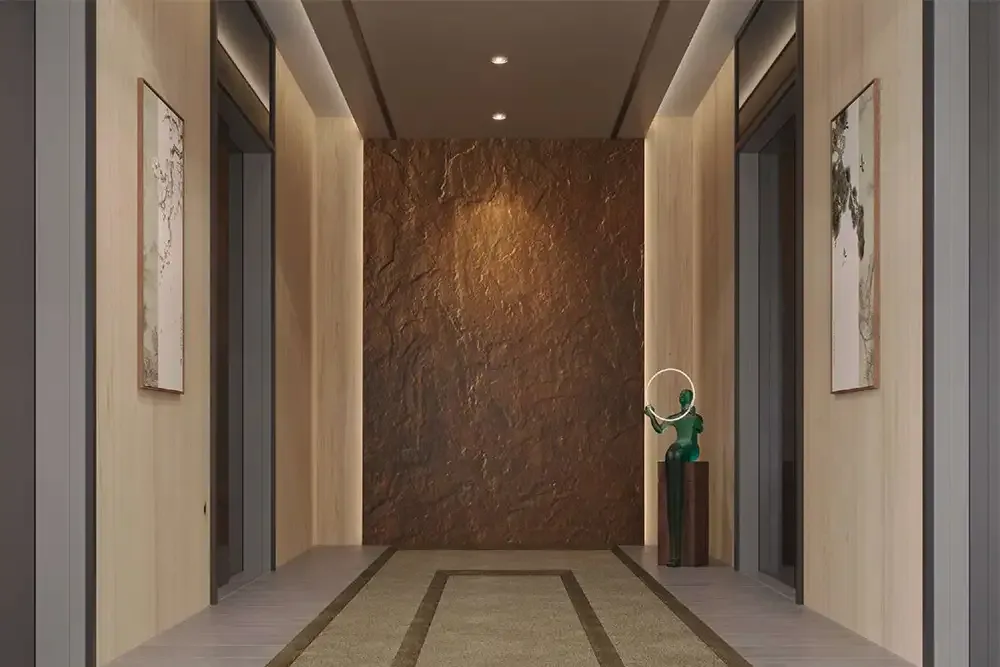
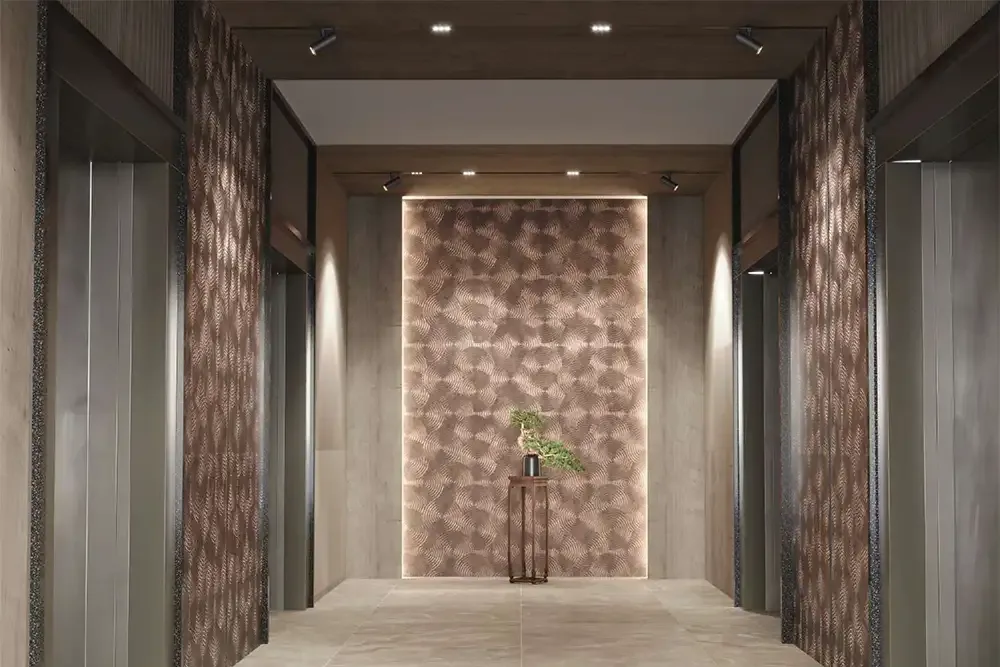
The catalogue also lists kitchen, round pillar, lift area and facade applications. These listings describe possible application contexts, not universal approval for every site condition. In particular, exterior facades, wet-adjacent locations, lift surrounds and curved surfaces may involve substrate, fire, weathering, impact, joint or building-code requirements. Obtain project-specific technical confirmation before specifying the panels for these more demanding uses.
Choosing Colours, Lighting and Scale with Confidence
A colour can look different in a narrow swatch, a full panel and a finished room. Daylight, warm lamps, grazing light and shadow influence how a textured surface is perceived. For a neutral scheme, compare pale grey, greige, ivory and sand finishes against the actual flooring and furniture. For a warmer result, investigate bronze, rust and brown textures. Olive or charcoal patterns can create stronger contrasts when the rest of the palette is restrained.
Surface rhythm is as important as colour. Larger stone-like shapes can read as visual movement from across the room; micro-mosaics need closer viewing; bold geometric repeats can become the organising feature of an interior. Ask for the correct LMQ design sample and review it vertically, at the expected viewing distance, before choosing panel quantity or committing to a large installation.
Installation Guidance, Water Resistance and Everyday Care
The Metalixo 2.0 catalogue lists fast application, lightweight handling, ease of installation, flexibility, low maintenance and 100% waterproof performance as collection features. It also instructs installers to use only the recommended adhesive and apply sufficient pressure. These statements relate to the product range; they do not establish that every wall assembly or joint detail is waterproof. The underlying wall, adhesive, edges and interfaces must be suitable for the intended space.
Before installation, check that the receiving surface is stable and appropriate for the specified adhesive. Confirm panel orientation, alignment, clearances and the treatment of corners or openings with the installer. Do not assume a generic construction adhesive is interchangeable with the system Mark Decor recommends. For upkeep, follow the brand's current care advice and test any cleaner on an inconspicuous sample; avoid making unsupported promises about chemical, heat or abrasion resistance.
How to Select the Right Metalixo 2.0 Design
Begin with four decisions: visual style, application, sample approval and technical fit. Decide whether the space calls for stone texture, pebble mosaic, flowing arcs or a strong geometric repeat. Narrow the colours to those that coordinate with the room. Then verify the catalogue code, panel dimensions, mould-dependent thickness and the intended installation method.
Explore the individual Metalixo 2.0 product pages for design-specific details rather than treating the collection as one interchangeable finish. Mark Decor also offers other Liquid Metal Panel collections, including original Metalixo and Victor, but construction and specifications should be compared separately. Metalixo 2.0 is best evaluated as its own high-impact polymer decorative wall-panel range, with each design selected on the strength of its actual appearance and project suitability. Before placing a final order, check how adjoining panels will look around corners, doors, switches and ceiling junctions in the proposed room.