Metalixo


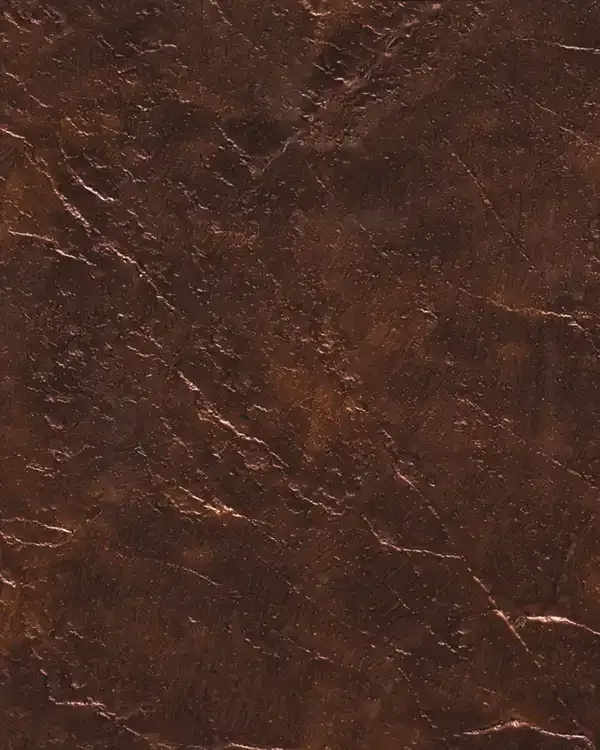
LMQ-001
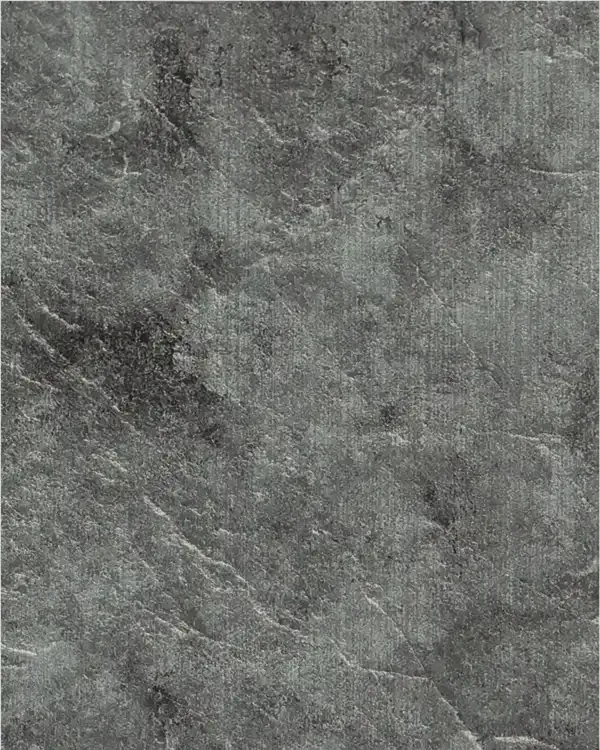
LMQ-002
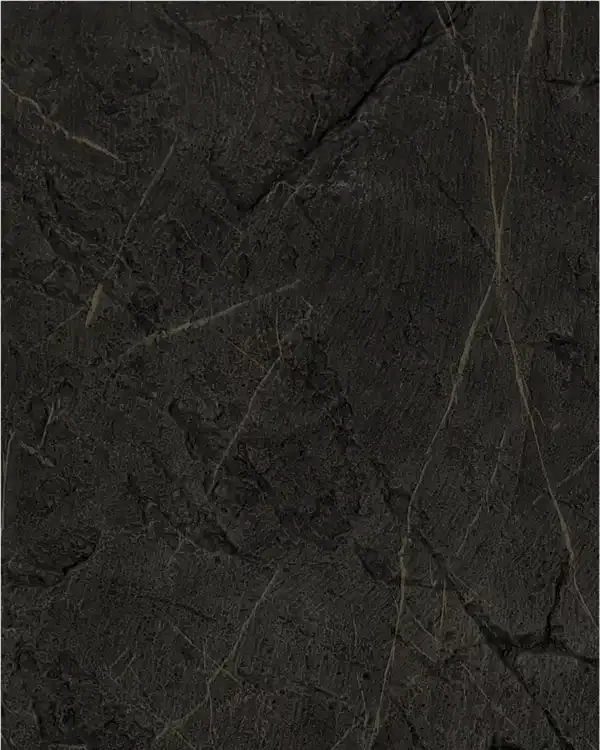
LMQ-003
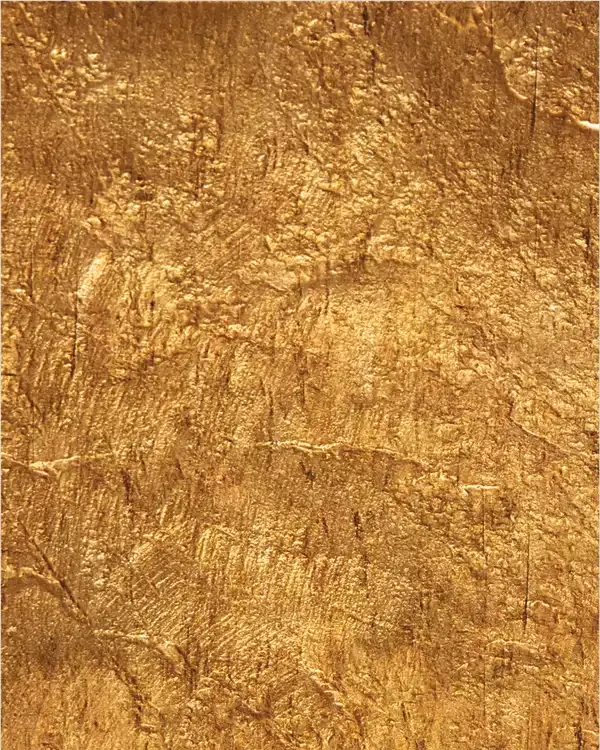
LMQ-004
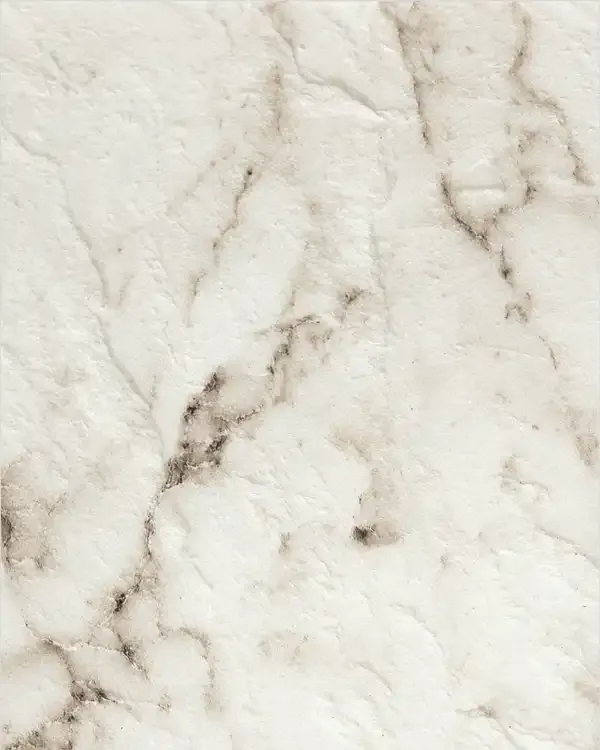
LMQ-005

LMQ-006
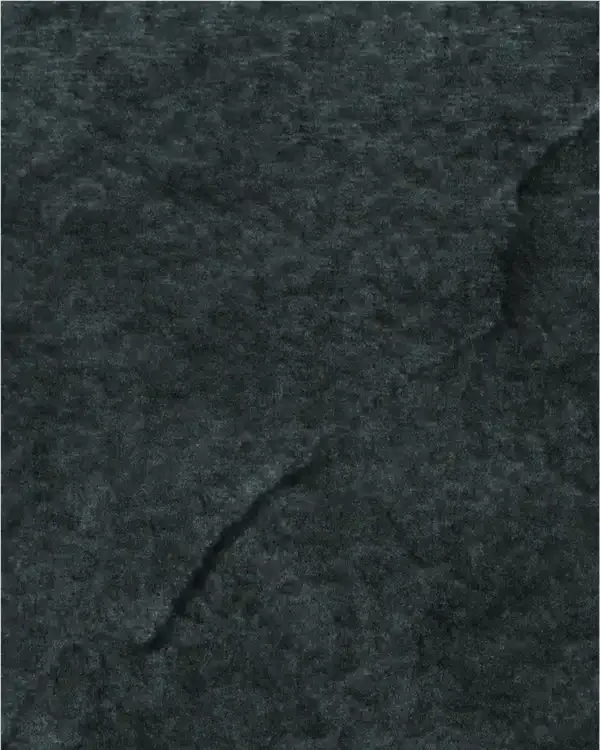
LMQ-007
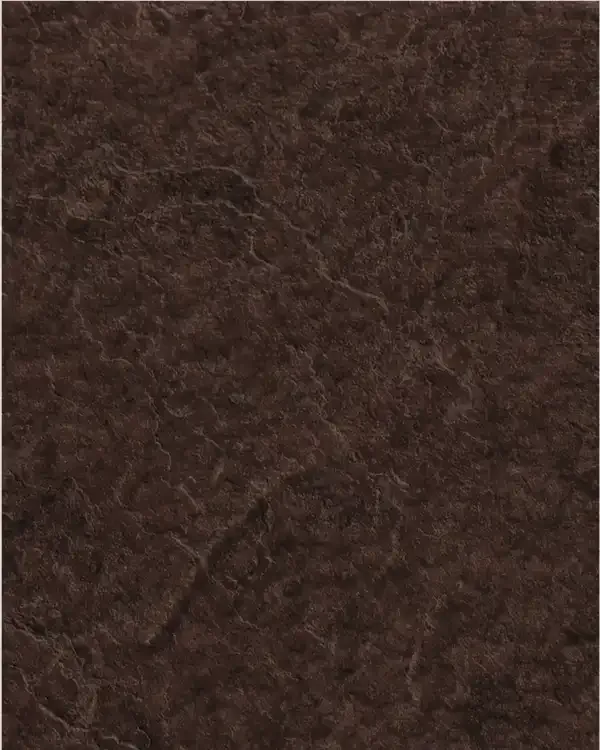
LMQ-008
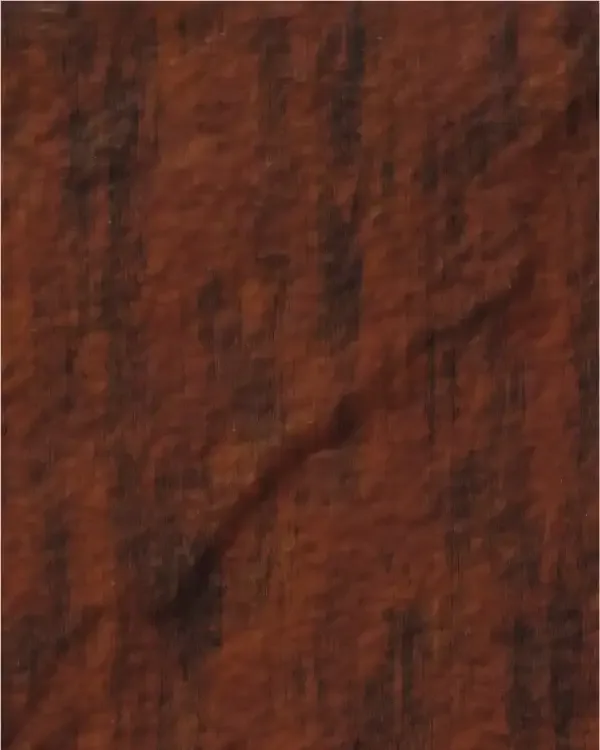
LMQ-009

LMQ-010
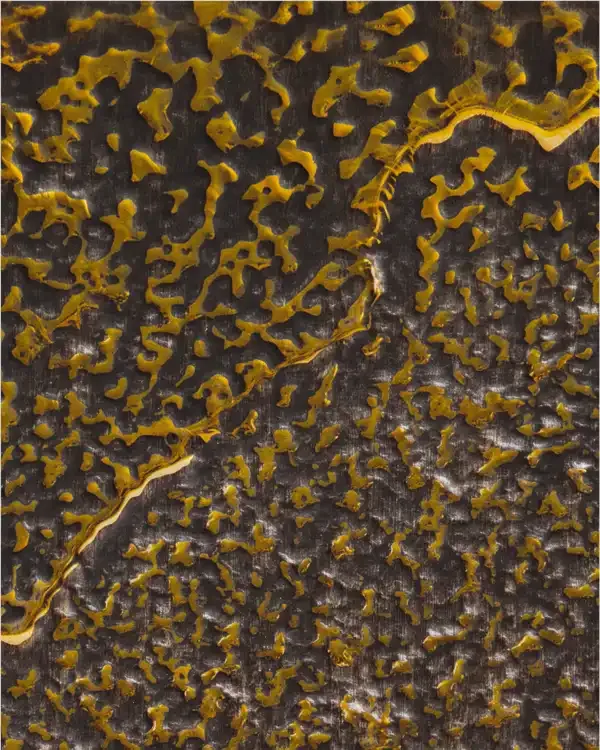
LMQ-011

LMQ-012
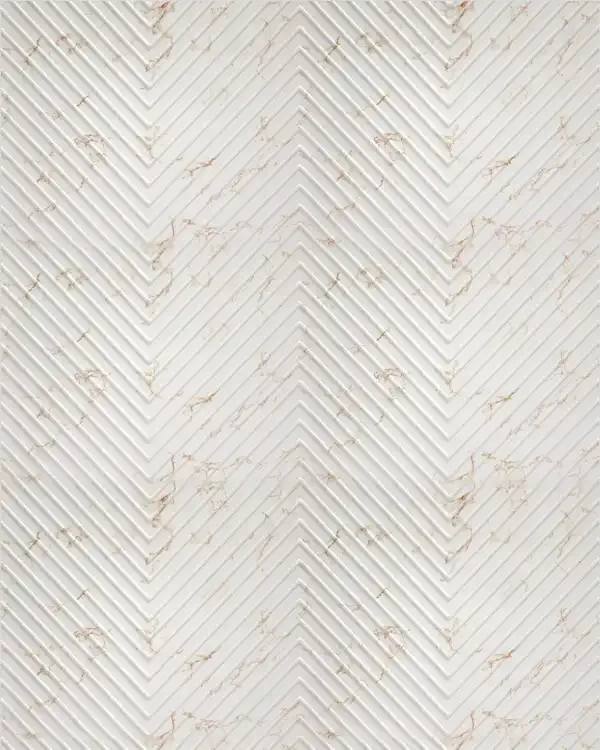
LMQ-013
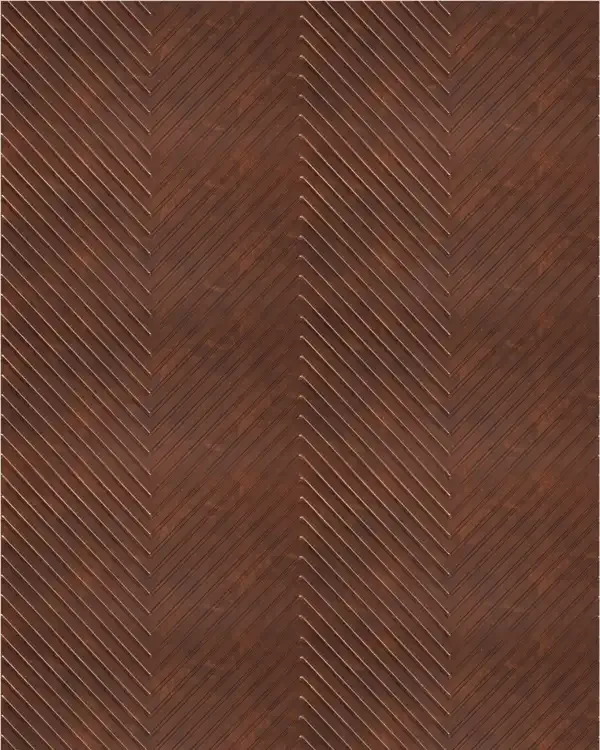
LMQ-014
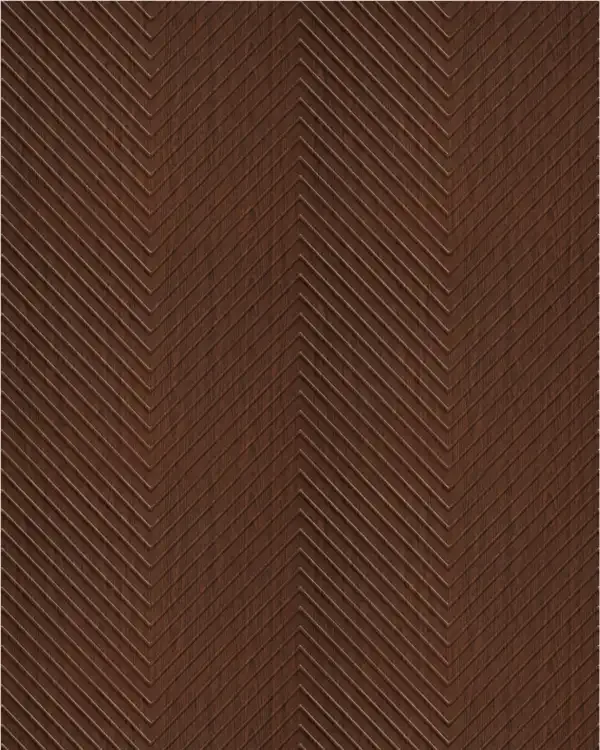
LMQ-015
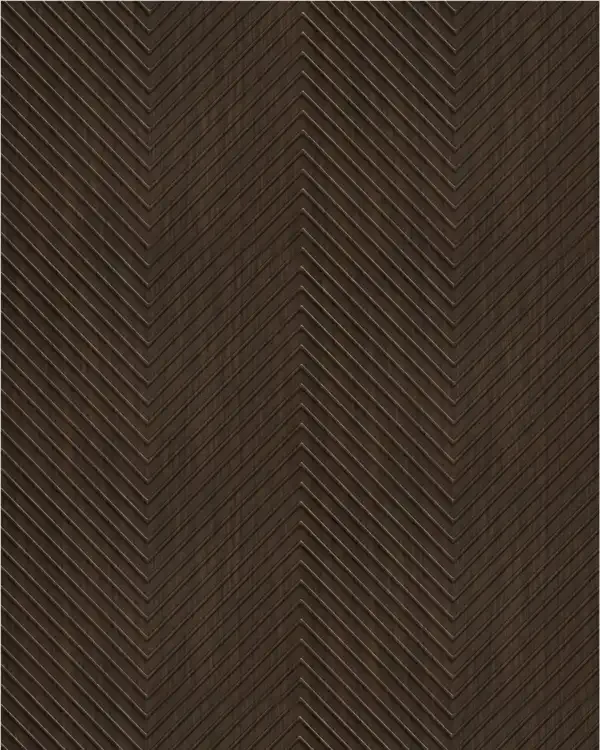
LMQ-016
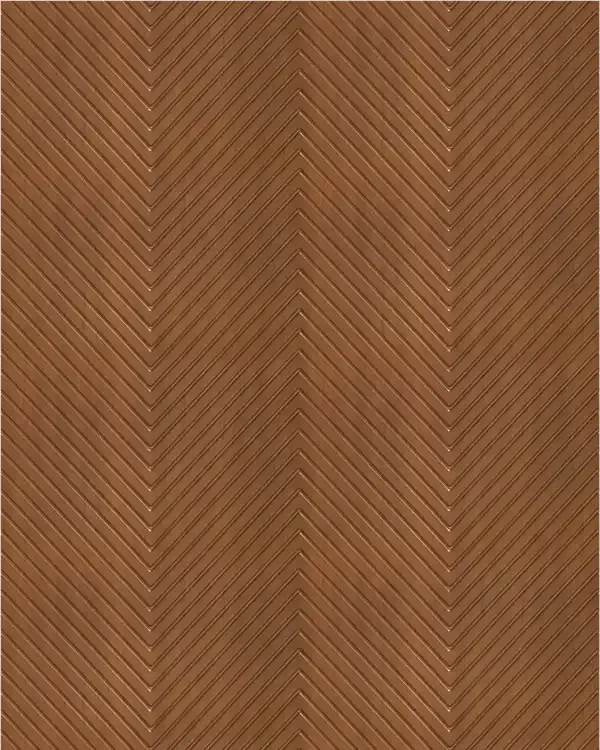
LMQ-017
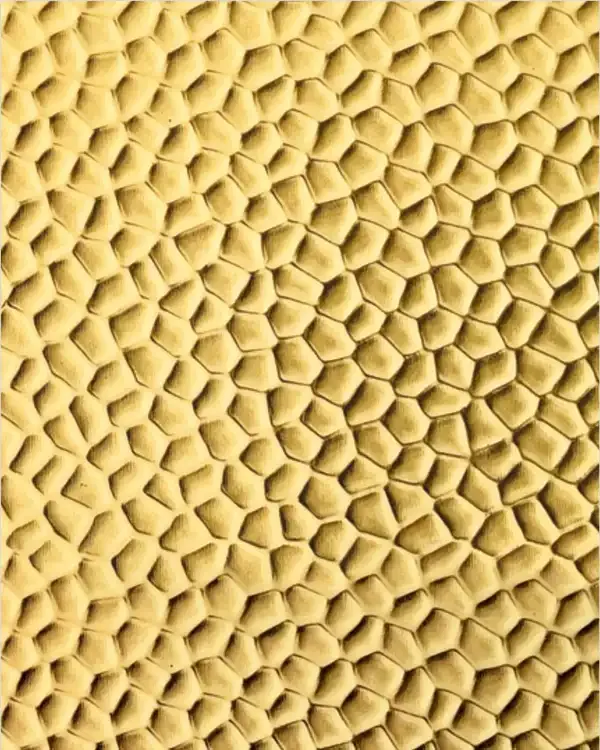
LMQ-018
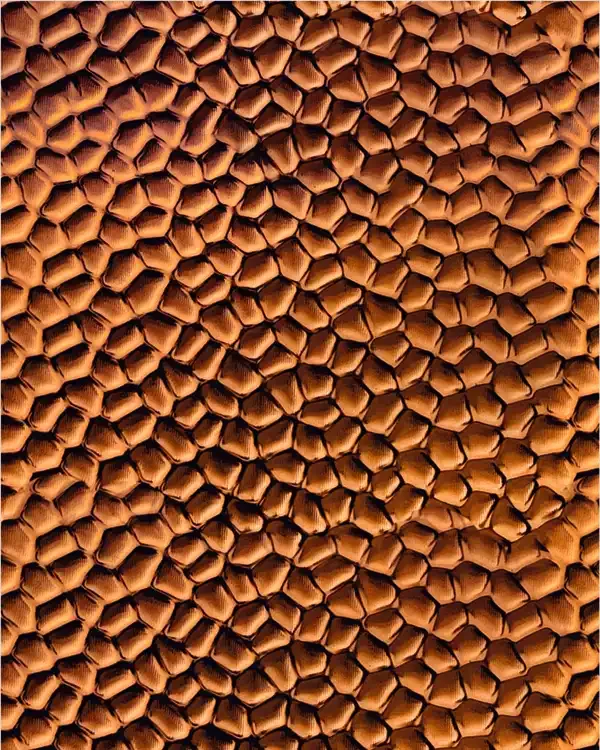
LMQ-019
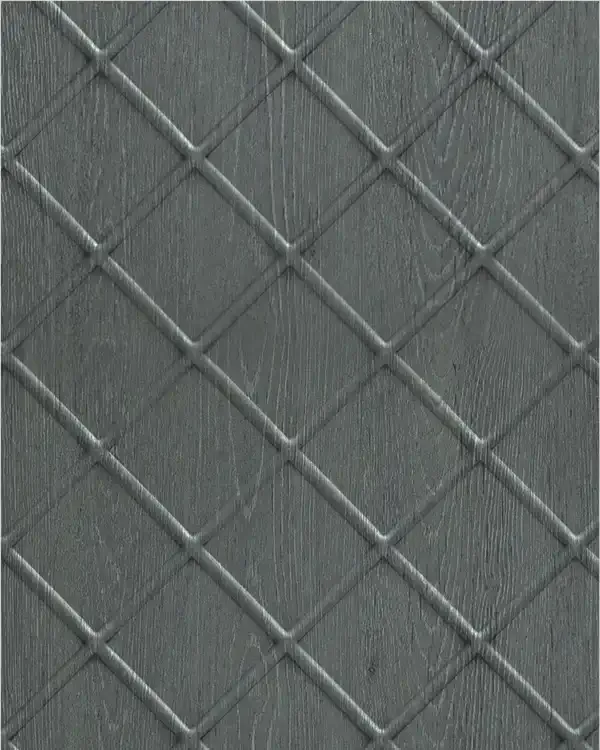
LMQ-020

LMQ-021
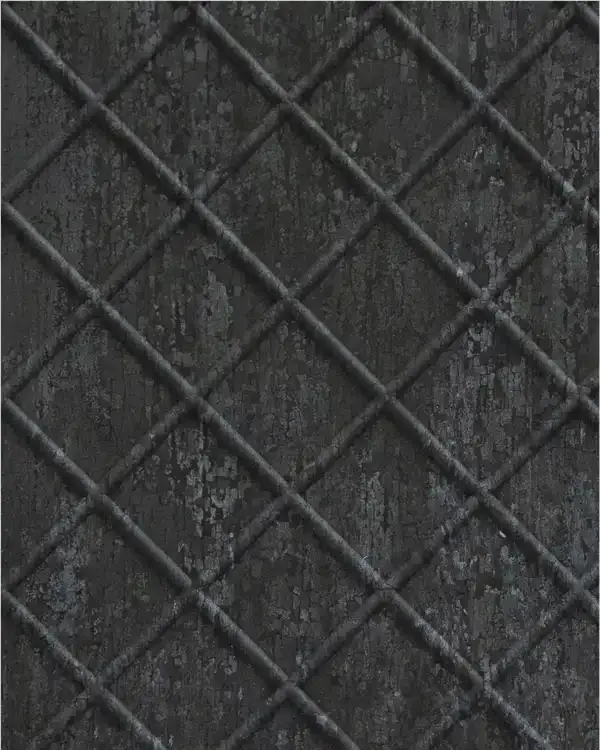
LMQ-022
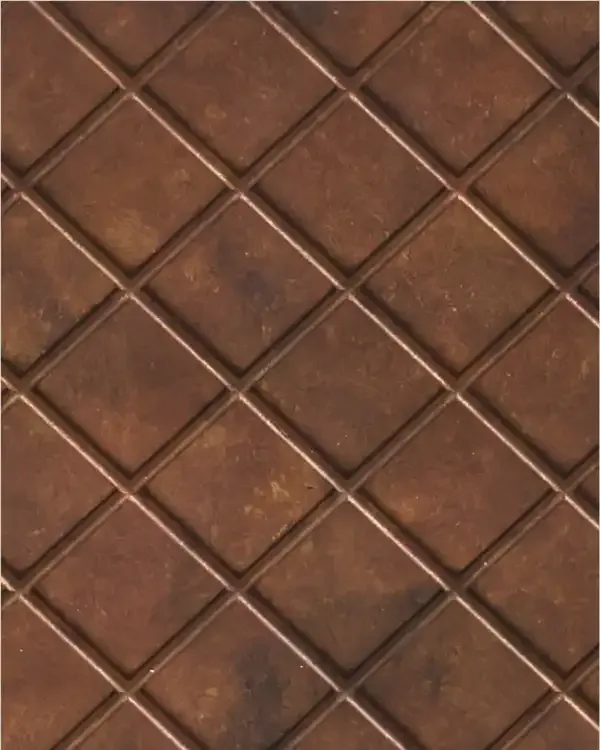
LMQ-023
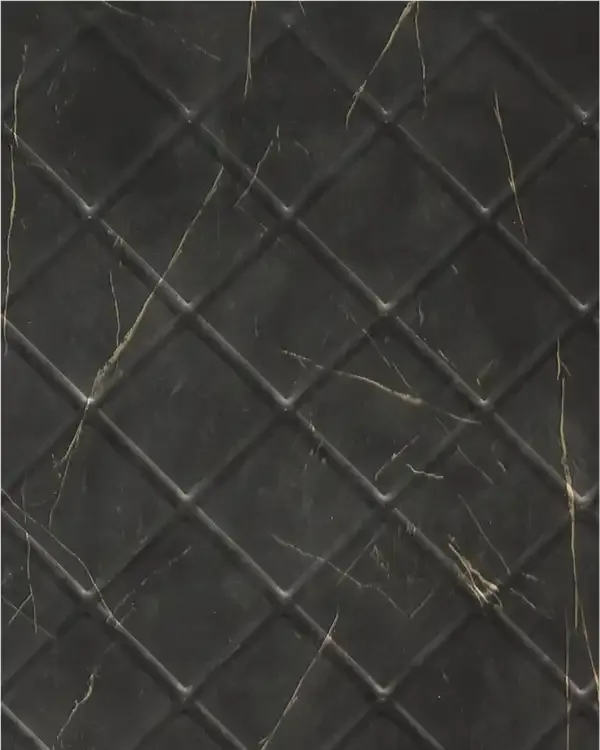
LMQ-024

LMQ-025
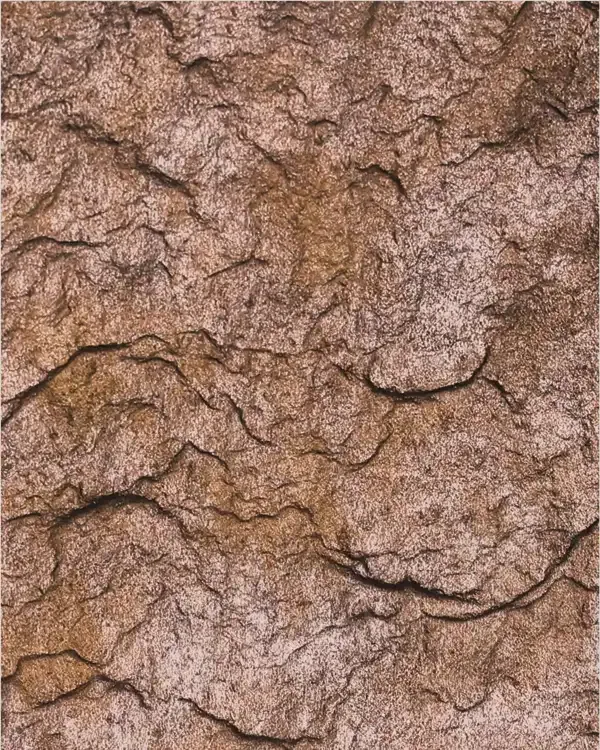
LMQ-026
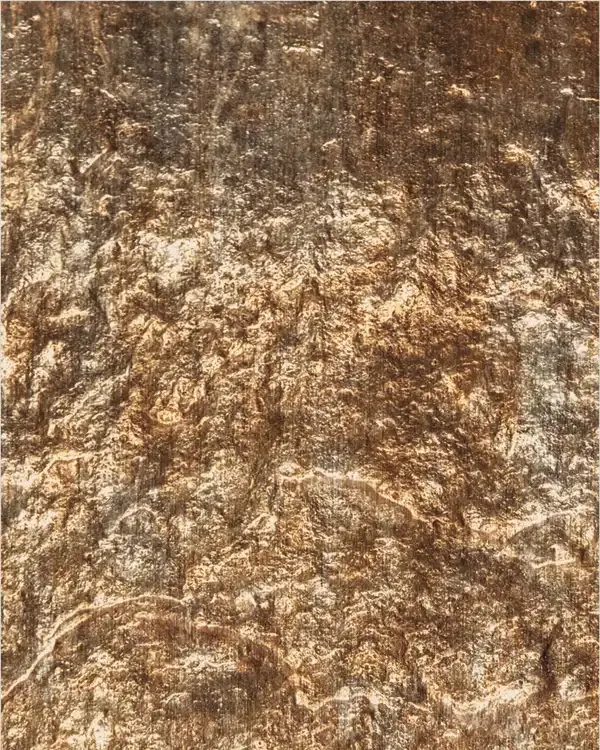
LMQ-027

LMQ-028
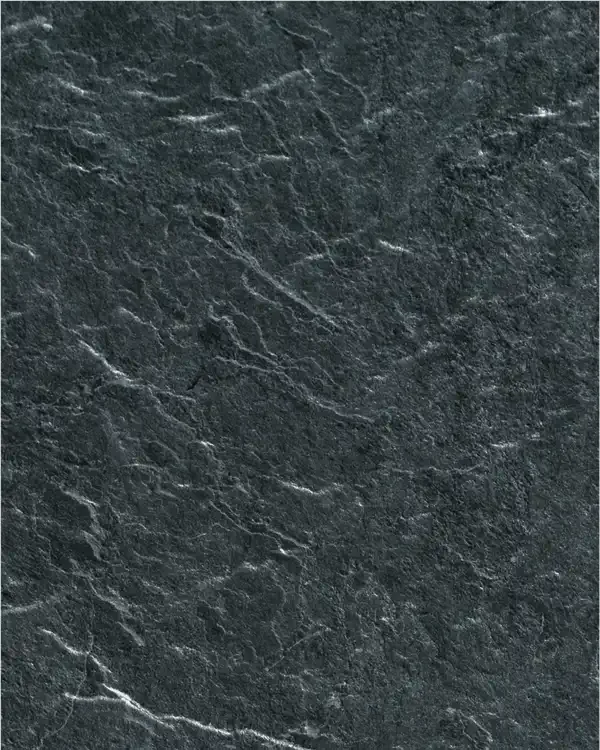
LMQ-029

LMQ-030
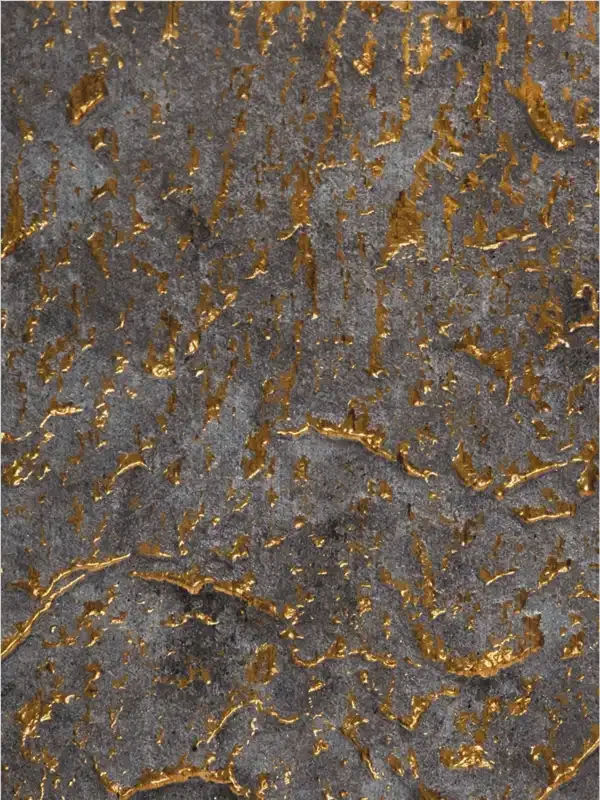
LMQ-031
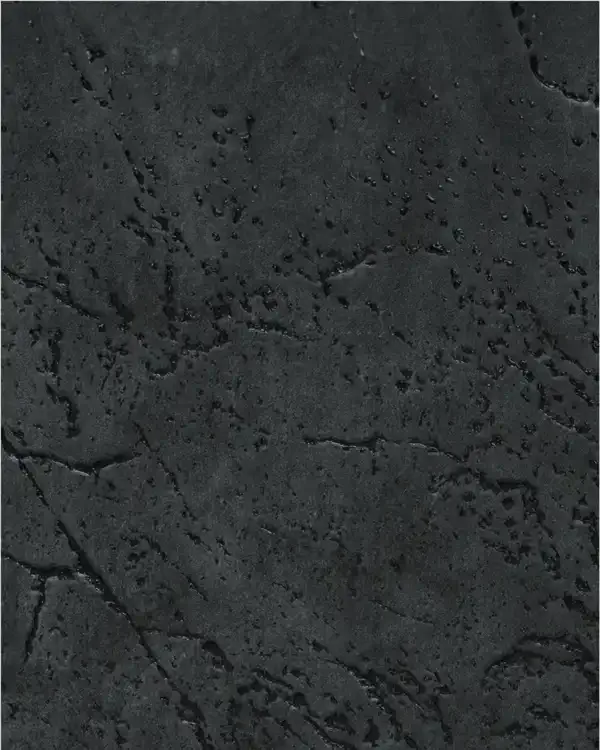
LMQ-032
Metalixo Guide
Original Metalixo: Liquid Metal Coated Decorative Laminates
Metalixo by Mark Decor is the original decorative laminate range described in its catalogue as using a liquid metal coating. It was developed for interiors that call for a sense of material depth rather than an ordinary printed wall colour. Across 32 catalogue designs, the visual language moves between aged metal, mineral stone, concrete, wood-inspired surfaces and interlaced rattan-like expressions. These looks are decorative interpretations; they should not be confused with slabs of quarried stone, natural cane sheets or cast-metal building components.
For a designer choosing a statement surface, the key attraction is the combination of texture and finish. An antique metallic expression may create a dramatic alcove, while soft concrete grey may sit quietly behind furniture.
Understanding the 600 × 2400 mm Metalixo Format
The original Metalixo catalogue prints the format 600 × 2400 mm alongside the LMQ product designs. This information is useful when developing full-height wall compositions, reception desk fronts or modular decorative sections. The catalogue does not clearly establish a general thickness for original Metalixo, so no thickness figure should be assumed from another Mark Decor series. The dimensions describe the listed sheet format, not the finished size after trimming, detailing or adjustment around sockets and corners.
When planning a wall, mark vertical joints before selecting the artwork. Irregular patterns can disguise panel boundaries in one situation and reveal them in another, depending on colour and light direction. Consider edges, backing substrate, access to the site and allowances for cutting.
Mineral and Stone-Look Designs for Calm Interiors
The original collection features dark brown veining, cool concrete grey, fractured charcoal surfaces and other mineral-like treatments documented in its product review. A stone-look liquid metal panel can introduce depth without choosing a strongly repeated geometric motif. In a living room, an understated mineral surface makes a useful companion to low cabinets, timber furniture, muted textiles and restrained metal detailing. The closer the pattern is to a natural, irregular texture, the less it tends to behave like a graphic wallpaper.
Study the finish from both near and far. Hairline effects visible on a small swatch may merge into a larger tonal field at viewing distance. Dark mineral colours can make a wall feel enveloping, but they need adequate lighting to reveal subtle structure.
Antique Gold, Bronze and Weathered Metallic Finishes
Metalixo's distinctive identity includes aged-metal and antique-gold impressions. Distressed texture creates visual breaks in the reflective appearance, making a decorative surface feel layered rather than uniformly shiny. These finishes can create a focal feature behind a reception counter, on an interior column or in a dining alcove. A restrained gold accent tends to look more deliberate when neighbouring surfaces remain simple and do not duplicate the same reflective treatment.
For projects featuring metallic textured laminates, evaluate the interaction with hardware and lighting. Warm metal tones beside brass or champagne handles may form a coherent palette; the same finish beside cold chrome can feel more contrasted.
Concrete, Timber and Rattan-Inspired Texture
The Metalixo catalogue explicitly refers to rattan, wood and concrete looks as examples of its three-dimensional visual and tactile direction. These surface families suit different design moods. Concrete-like finishes can create an industrial or minimalist setting. Wood-inspired patterning may soften a stark interior and connect to timber furniture. Rattan-like or woven references add an impression of craftsmanship that works alongside natural fabrics, warm neutrals and restrained greenery.
These are appearance descriptions, not statements that the coating contains timber, natural rattan or cement. Where another surface already carries a bold grain, select a quieter complementary Metalixo design. If the room uses smooth lacquered furniture, a more visibly structured panel can provide useful contrast.
Living Room Accent Walls and TV-Console Details
A well-selected decorative wall panel can create a calm background for the living-room furniture without relying on elaborate mouldings. Original Metalixo can be explored for TV walls, sofa backdrops and narrow architectural accents. Mineral grey finishes tend to integrate with contemporary furniture; deeper charcoal designs can frame screens; aged metallic surfaces may work best as a limited insert. These are styling suggestions based on visible design direction, not a guarantee that every product is suitable for every installation system.
Plan the complete wall before placing an order. A television, console, speakers, switches and concealed lighting all interrupt the decorative surface. The panel should support these elements rather than compete with them.
Furniture, Cabinets and Feature Joinery
Original Metalixo is also presented in the catalogue as a decorative option for furniture surfaces. A small panelled furniture front may benefit from a distinctive coating even where the surrounding room remains neutral. Consider sideboards, selected cabinet faces, reception-desk panels and display niches. The most convincing use is often controlled: one richly textured zone surrounded by plain wood-look or solid-colour materials can read as bespoke without making the design visually crowded.
For joinery, the practical discussion includes the supporting board, edges, panel joints, hardware, handling and the direction of the surface effect. If the design has strong veins or interlaced detail, its alignment across doors or drawers may matter.
Hospitality, Retail and Reception Applications
Commercial interiors can use Metalixo to create a recognisable setting around a reception desk, waiting area or product display. Antique metal character fits an expressive lobby; a quiet mineral surface can complement corporate signage. Shop interiors may use a textured wall in one branded zone rather than across all merchandise bays. In hospitality, the finish can be considered for decorative headboard zones, corridor accents or focal seating areas with controlled lighting.
The source catalogue mentions shopping malls, offices and other commercial destinations. Nevertheless, project constraints such as fire safety, public-area impact exposure, cleaning protocols and material classification must be evaluated separately. Where compliance evidence is required, ask for the exact product documentation.
Features and Manufacturer Claims in Context
Original Metalixo's brochure lists fast application, light weight, ease of installation, wet application, low maintenance, bending capability, high strength and a waterproof claim. Those points describe the manufacturer's promoted features; they do not state the relevant test standard, thickness, jointing system or exposure classification in the available pages. For any high-risk or performance-driven specification, current detailed information should be obtained before converting a marketing feature into a building requirement.
In particular, ‘waterproof’ on a feature list should not automatically be interpreted as approval for a permanently wet wall or an exposed facade. Similarly, a bending claim is not a measured minimum radius. Consult the recommended adhesive and the actual site conditions before approving such work.
Installation Planning and the MARK BOND Recommendation
The original Metalixo catalogue includes a specific adhesive instruction: use only MARK BOND, apply sufficient pressure and avoid substituting other adhesives. This is important to preserve in specification notes because an attractive result depends on reliable bonding and appropriate preparation. Do not assume a glue suitable for a different decorative sheet is approved for original Metalixo. Confirm the current product instructions, substrate condition and any requirements for corners, curves or joint treatment with Mark Decor or an authorised installer.
Prepare the area by checking dimensions, fixing points, surrounding trim and the consistency of the substrate. Schedule a test application where the geometry is challenging or the finish will sit under strong grazing light. Check how the material meets doors, skirtings, electrical accessories and adjacent surfaces.
Choosing the Right LMQ Product from 32 Designs
The 32 original Metalixo product references are identified as LMQ-001 through LMQ-032. Their review material describes a broad progression through brown mineral veining, cool greys, charcoal textures, antique metallic directions and other distinct appearances. These are useful starting points, but the final choice should be tied to the actual code rather than only an informal name such as ‘bronze’ or ‘stone’. The same colour family can include multiple textures with different light responses.
Shortlist designs by room lighting, furniture materials and desired contrast. Ask whether the panel should read as a subtle background from five metres away or as a detailed feature from one metre. Review samples side by side, then evaluate them vertically under realistic conditions.
Metalixo Versus Victor and Metalixo 2.0
The original collection is the correct focus when the requirement is a liquid-metal-coated decorative laminate with the Metalixo design catalogue. Victor is a separate crafted-panel series, also shown in a 600 × 2400 mm format, whose substrate and thickness are not documented in its available brochure. Metalixo 2.0 is a distinct 600 × 2900 mm high-impact polymer collection with mould-dependent thickness. Decorative similarities do not remove those construction differences.
For material comparisons, review the main Liquid Metal Panel category first, then move to the relevant subcategory and precise product code. This also keeps technical information from one collection from being accidentally attributed to another.
Selecting Metalixo with Confidence
Original Metalixo works best when chosen as part of a complete interior palette rather than a stand-alone novelty. Match its texture to a purpose, use surrounding materials to provide contrast and plan the panel layout before cutting. If the finish is intended for a public, wet or external location, request the appropriate product evidence rather than relying on general brochure wording. Material-specific installation requirements are just as important as colour selection.
Explore the original LMQ-001–LMQ-032 designs, shortlist physical samples and confirm the exact product code in the specification. That approach helps translate the appealing character of Metalixo decorative laminates into practical, well-considered residential or commercial interiors.