Mirror Art
Collections
Mirror Art Guide
Mirror Art: Decorative Wall Panels with a Distinct Design Identity
Mark Decor Mirror Art is a family of decorative surfaces designed around pattern, colour and the visual impact of an accent wall. The collection encompasses printed geometric marks, curved linework, ornamental motifs, mineral-inspired surfaces and woven-look designs. Rather than directing every visitor to one style, the category helps homeowners, architects and interior designers compare three different pattern collections and choose the one that best fits the room.
The name Mirror Art identifies the Mark Decor product family. It should not be interpreted as a promise that every panel is made from reflective mirror glass. The more reliable way to select a surface is to inspect the exact product photograph, code, pattern scale and available technical information. The category provides an overview; the three subcategory pages examine their own design approaches in greater depth.
Explore Three Different Decorative Collections
The range comprises Mirror Art designs with MR product codes, Aynart designs with SM codes and Cane Art designs with CA codes. Those separate identities matter for both design selection and search relevance. The first emphasises dramatic geometry, mandala artwork and marble-look compositions; the second has honeycomb, botanical, line and other designer patterns; the third explores the appearance of cane and woven textiles.
A designer comparing all three is asking a broader question than someone searching for a specific printed marble design or a basket-weave effect. This overview therefore concentrates on choosing between families instead of attempting to repeat every subcategory catalogue. Once the desired visual direction is clear, move to the relevant collection and compare individual design codes side by side.
Mirror Art MR Series: Geometry, Ornament and Mineral Effects
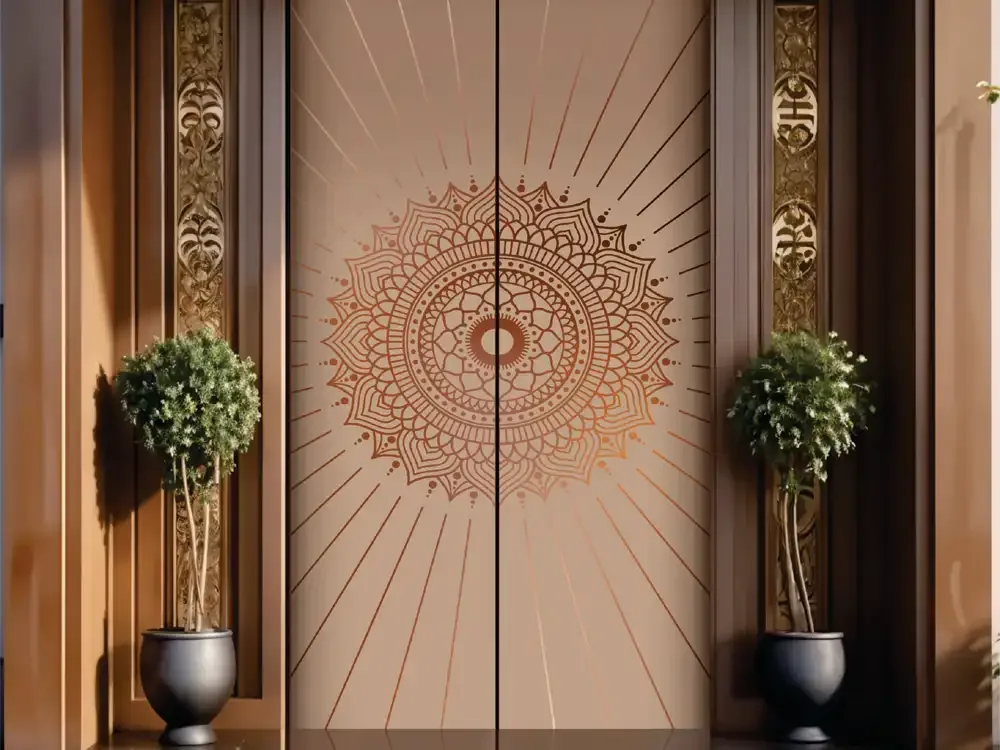
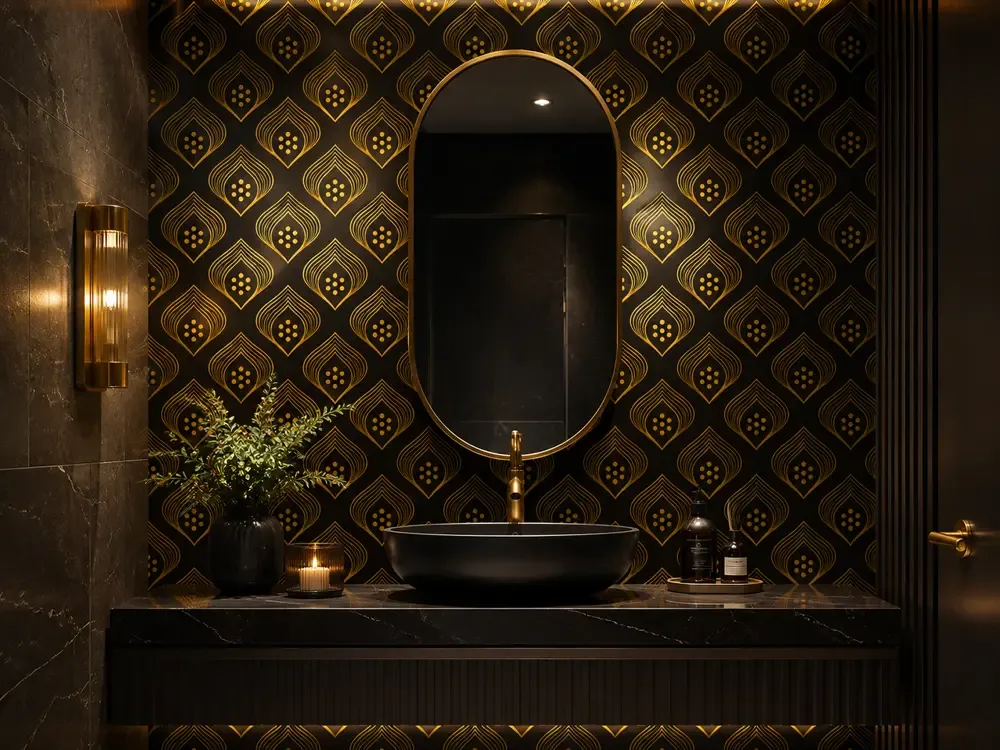
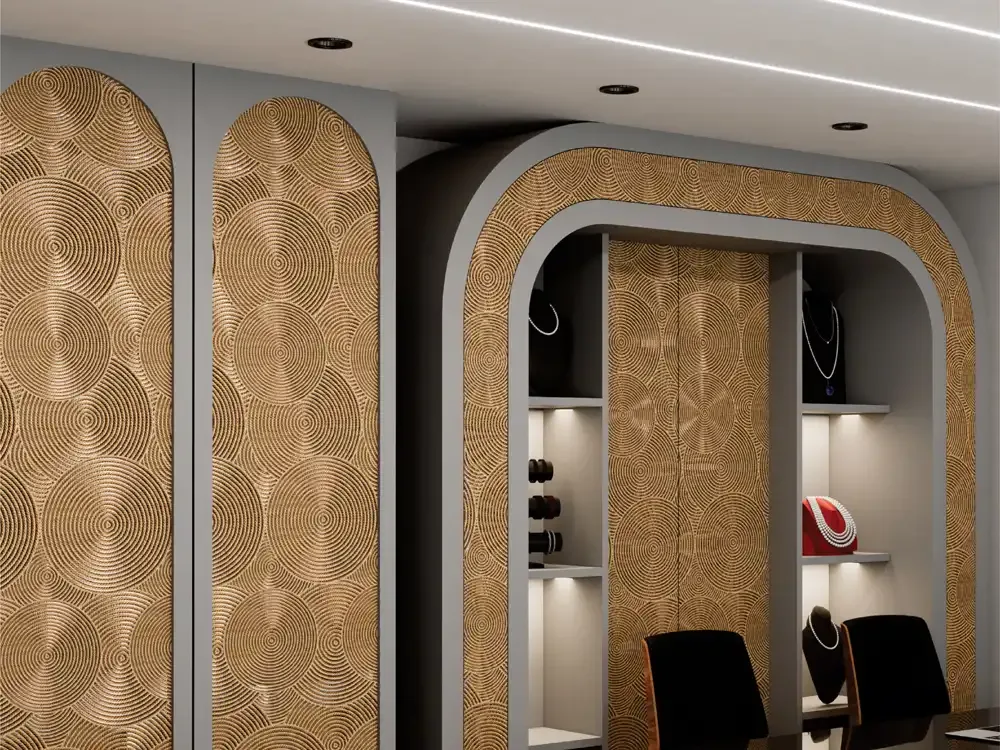
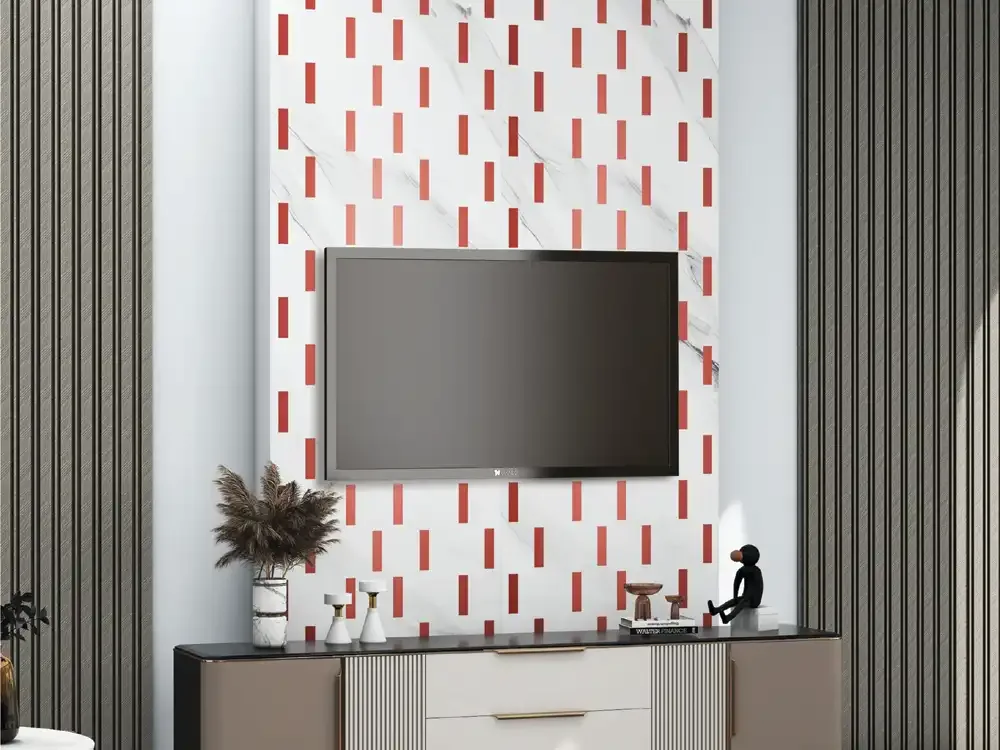
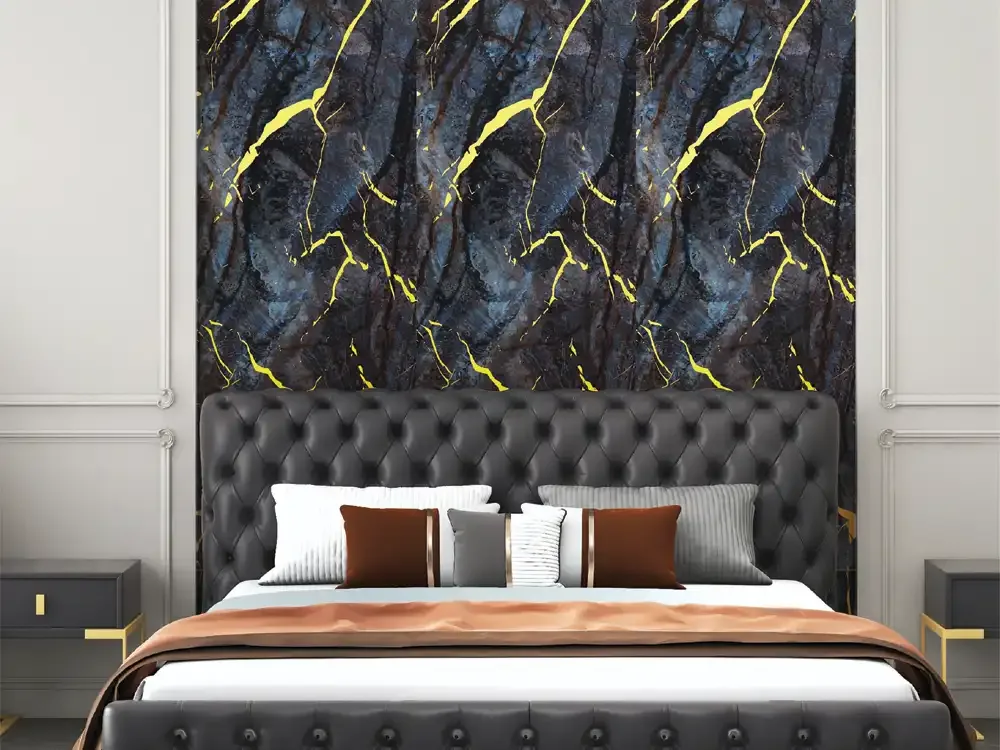
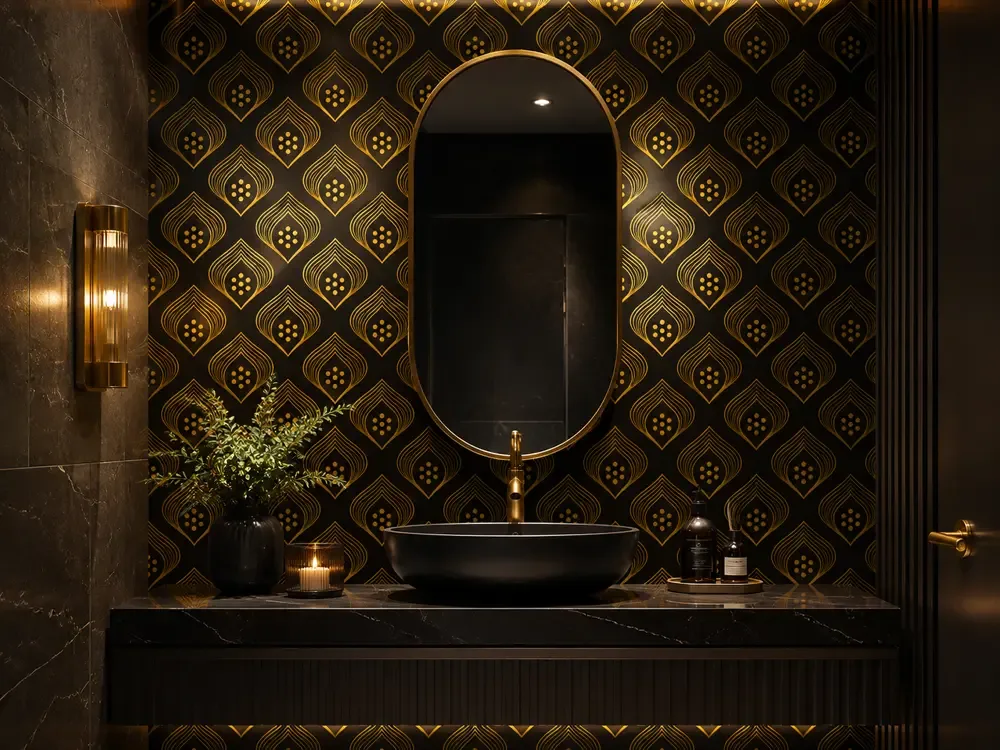
The 32 MR designs include staggered dash patterns, flowing parallel curves, mosaic squares, circular rays, ornamental mandalas and highly contrasting mineral looks. Some designs use light ivory or beige backgrounds with copper-coloured accents; others create stronger charcoal, black and gold-toned compositions. Printed stone-like veining offers another way to introduce movement without necessarily placing a large repeating motif across the entire wall.
This collection is particularly useful when the brief calls for a defined decorative feature rather than a quiet, uniform surface. A small line pattern may enliven a reception alcove; an expansive mandala can become the focal point in a lounge; a marble-inspired design can coordinate with simpler cabinetry. The MR subcategory is the correct destination for its catalogue-listed size, thickness, specific pattern groups and product-by-product colour comparisons.
Aynart SM Series: Patterned Panels for Contemporary Interiors
Aynart uses a different visual vocabulary. The existing PIM product descriptions document honeycomb arrangements, curved diamonds, tropical leaves, repeated pinstripes, hourglass linework, marble-inspired veining and later geometric textures. Its palette moves from clean whites and light neutrals to teal, taupe, charcoal and more dramatic dark backgrounds with warm-coloured decorative lines.
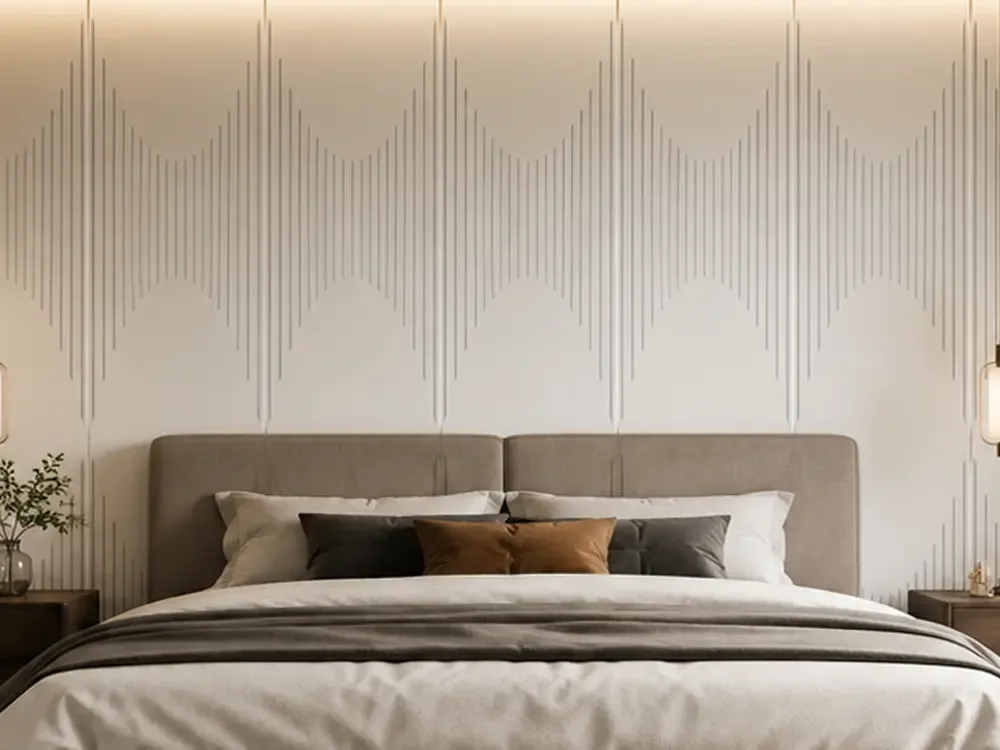
Choose Aynart when the design brief centres on a particular graphic pattern language rather than the broader Mirror Art MR artwork. An angular repeat can reinforce modern furniture; a botanical pattern can soften straight cabinetry; fine lines can sit behind a bed without dominating the room. The SM product pages, photographs and codes should guide the selection. The available PIM descriptions support the visual styles, not unverified material or thickness specifications.
Cane Art CA Series: Woven and Cane-Look Decorative Surfaces
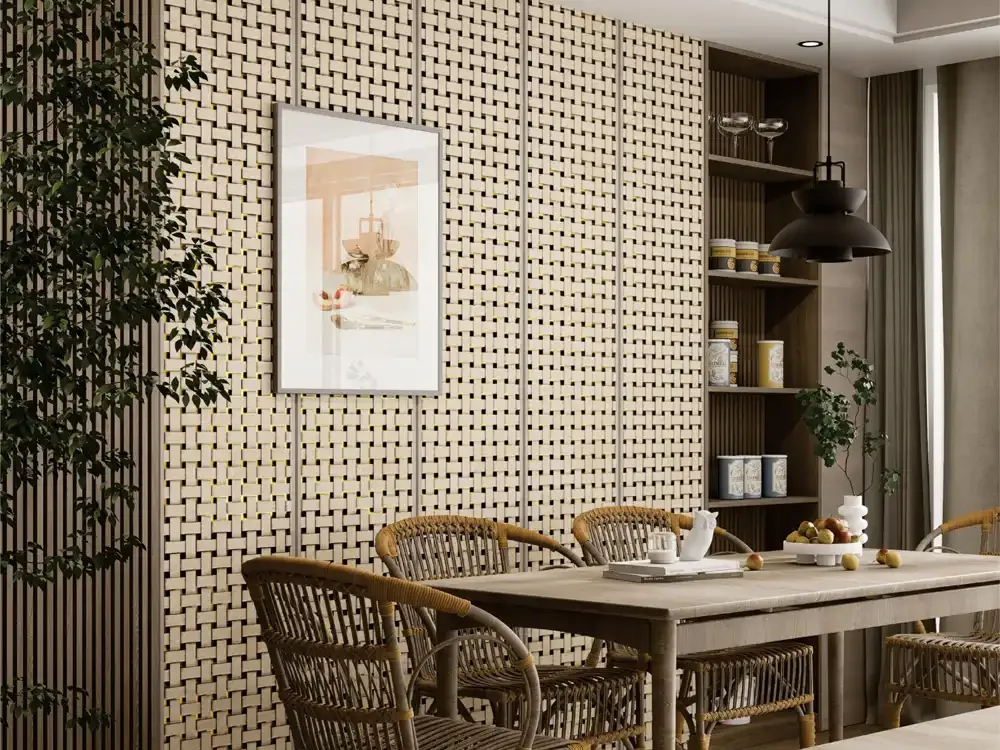
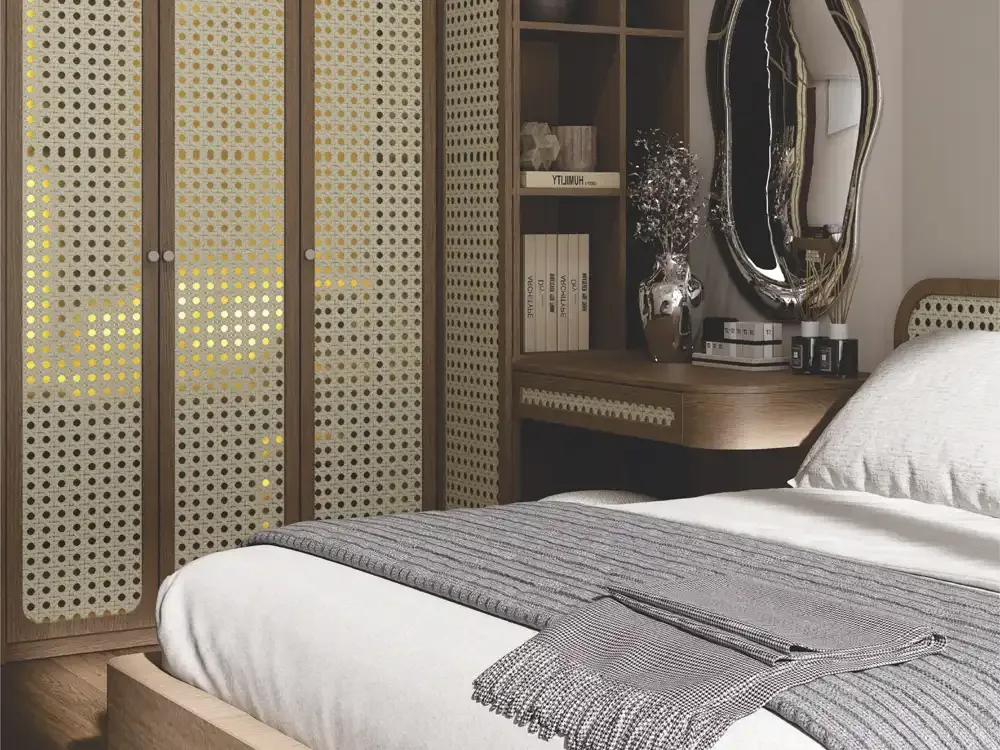
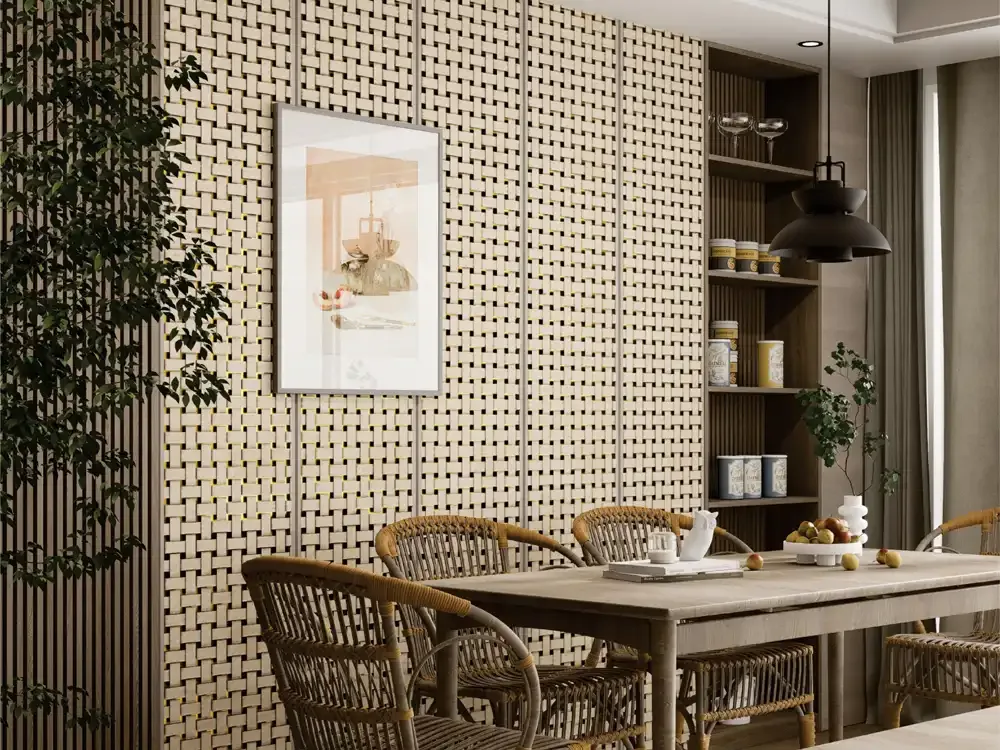
Cane Art concentrates on the appearance of weaving: circular cane-inspired motifs, basket grids, fine meshes, intersecting diagonals, lattice forms and darker herringbone-style arrangements. Warm beige and tan surfaces can evoke relaxed, natural interiors; monochrome or charcoal versions deliver a more graphic interpretation. The design language comes from the appearance of craft, but a printed cane look should not automatically be described as genuine woven cane or natural rattan.
When furniture, cabinetry or the surrounding room already includes wood tones, a carefully chosen cane-inspired decorative panel can contribute visual texture without adding a competing marble-like pattern. In contrast, a bold dark weave can become a statement backdrop. The Cane Art subcategory focuses on these woven-looking arrangements, individual CA codes and coordination ideas so its content does not compete with the more general Mirror Art category.
Choosing Designer Wall Panels by Pattern Scale and Contrast
The first decision is whether the surface should appear almost plain from a distance or immediately signal a decorative feature. Small dashes and tight weave grids usually read as a finer texture; large sunbursts and ornamental circles are more assertive. Pattern scale changes with viewing distance, available wall height and the number of uninterrupted panels. A design that looks delicate in a sample can feel busy when repeated across a full room.
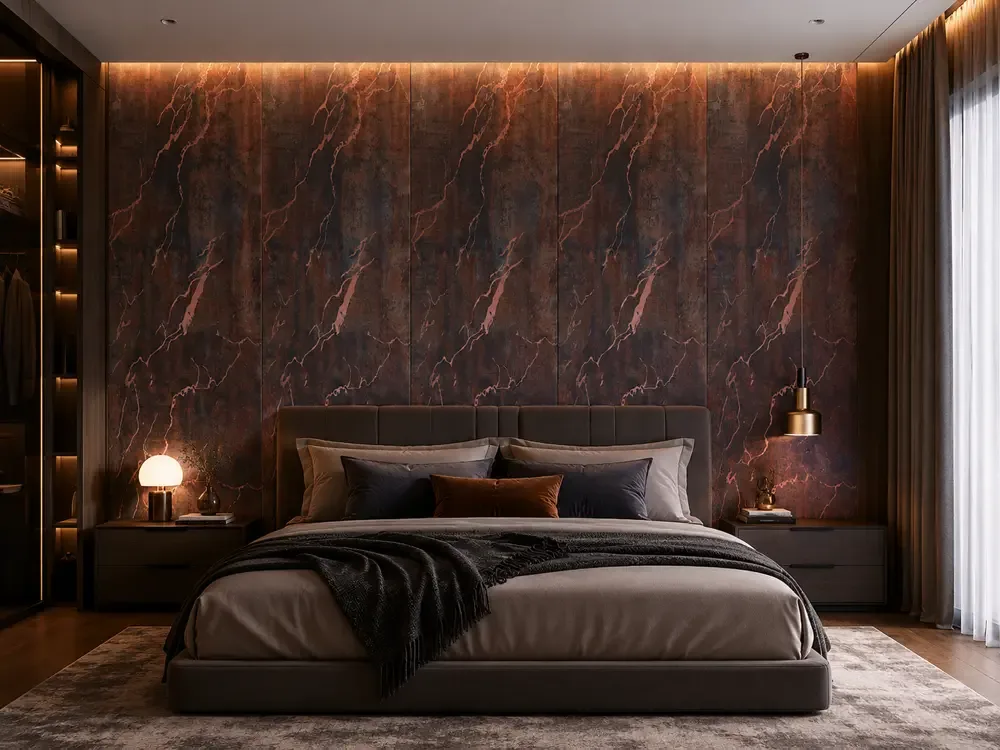
Colour contrast is equally important. Gold-coloured lines over dark charcoal produce a different atmosphere from the same metallic-looking lines on ivory. Warm pink and copper-coloured details pair naturally with some timber and upholstery palettes; cool greys can support a crisp, contemporary scheme. Treat these as interior-design suggestions, not universal rules. Compare physical samples and product images beside the actual flooring, furniture, lighting and wall colour.
Where Decorative Wall Panels Can Work in an Interior
Potential applications for decorative wall panels include living-room accents, selected TV-unit backgrounds, bedroom headboard areas, reception details, retail display features and carefully planned office interiors. A pattern may also be considered for integrated furniture surroundings where the installation method and actual substrate are suitable. The catalogue and product descriptions show design ideas, but these placements are not blanket certifications for wet rooms, exterior façades or heat-exposed surfaces.
A successful scheme usually allows one decorated surface to lead and calmer finishes to support it. Behind a television, avoid a pattern that competes constantly with the screen. Near a reception desk, repeat one metal-like accent in signage or hardware for continuity. In a compact bedroom, reserve the strongest artwork for a narrower portion of the wall. Practical suitability should be checked against the selected product and supplier guidance.
Material Claims, Dimensions and Responsible Specification
Technical information must stay tied to the correct product family. The supplied Mirror Art MR catalogue specifies 8 × 2 ft sheet size and 1.5 mm thickness. It also lists borer resistance, termite resistance, water resistance, environment-friendly positioning and no formaldehyde. These are catalogue claims for that collection; the supplied material does not include independent testing data or installation certification.
Those MR figures should not be copied onto Aynart or Cane Art without an equivalent source. Their product records establish individual patterns and colour descriptions, not a verified shared size, substrate or thickness in the material reviewed for this work. For cutting, substrate preparation, adhesive selection and site conditions, request the correct technical sheet and confirm the precise code. Accurate specifications are more useful than general claims applied to every decorative collection.
Installation Planning, Care and Long-Term Appearance
Before installation, confirm that the wall or furniture surface is appropriate, sufficiently even and prepared as required by the supplier. Plan panel direction, cut lines, corner details, pattern alignment and transition points around windows or adjoining cabinetry. A repeatable geometric motif can reveal alignment errors quickly, while marble-style artwork needs careful orientation so neighbouring panels feel intentional rather than randomly joined.
Maintenance guidance also depends on the actual surface construction and finish. Avoid promising that all Mirror Art products tolerate the same chemical cleaners, prolonged moisture or abrasive contact. Use the instructions supplied for the selected material, test cleaning products where recommended and protect completed work during other site activities. If lighting is being installed close to the surface, check heat and fitting-clearance requirements before finalising the wall detail.
How to Compare Colours and Request the Correct Mark Decor Design
Begin by identifying the design family, then note a few promising product codes. Shortlist according to the room: an MR mosaic for a geometric feature, an Aynart botanical motif for a softer composition or a Cane Art mesh for a woven appearance. Review the actual code and product image instead of relying on descriptive names alone, because similar colours can exist in very different patterns.
Ask for a sample where possible and compare it under the project lighting. Verify dimensions and recommended application details for the chosen series; allow for cuts and pattern continuity in the quantity plan. Mark Decor dealers, architects and project teams can use the product codes to communicate specifications precisely. The purpose of this category page is to move that selection process forward with accurate information, not to substitute marketing language for a technical check.