
Bedroom louver wall design ideas for headboard walls, warm finishes, lighting, panel combinations and calm premium interiors.
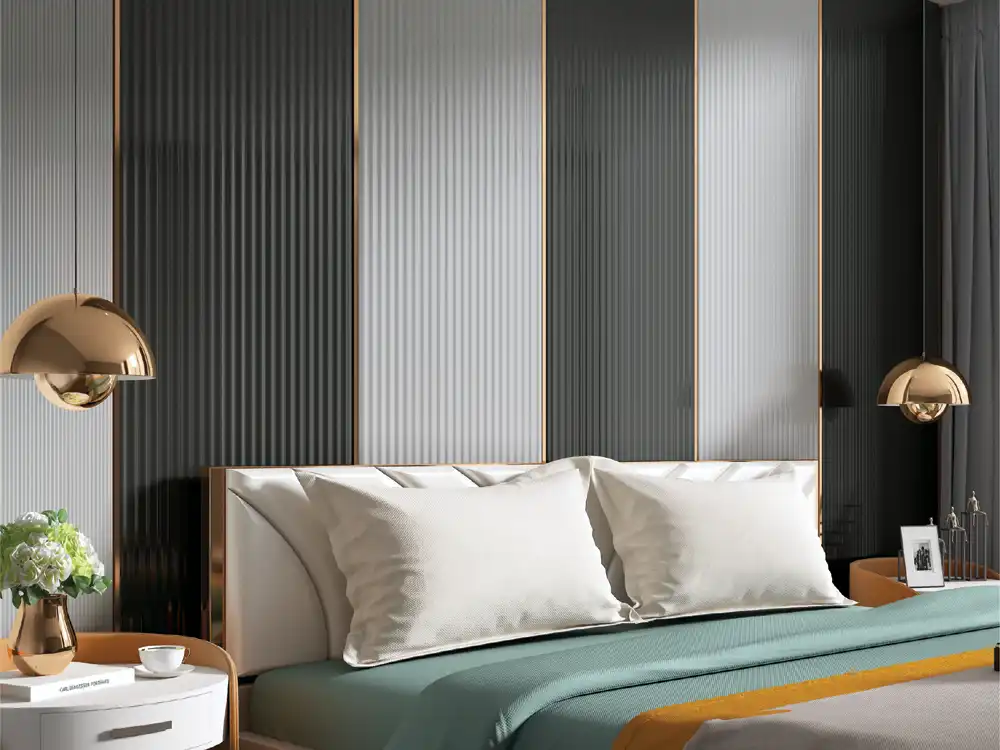
A bedroom wall should not feel noisy. It should feel calm, personal and complete. This is why bedroom louver wall design works so well behind the bed. The lines add depth, but the overall surface can still remain soft and elegant.
Louvers are often used in living rooms and TV walls, but bedrooms need a different approach. The design should support rest, not dominate the space. For the foundation, read what louvers are and how they are used in interiors.
Why Use Louvers Behind the Bed?
The wall behind the bed naturally becomes the main wall of the bedroom. A louver headboard wall gives it structure. It can replace heavy decor, reduce the need for too many accessories and make the bed area look more premium.
- It adds texture without clutter.
- It creates a hotel-style headboard effect.
- It works with side tables, lights and soft furnishings.
- It can make the wall appear taller.
Full Wall or Partial Louver Design?
A full louver wall can look luxurious in a spacious bedroom. In smaller rooms, a partial louver design behind the bed may be better. You can use louvers only in the center, on one side, or as vertical strips combined with plain panels.
Best Finishes for Bedroom Louvers
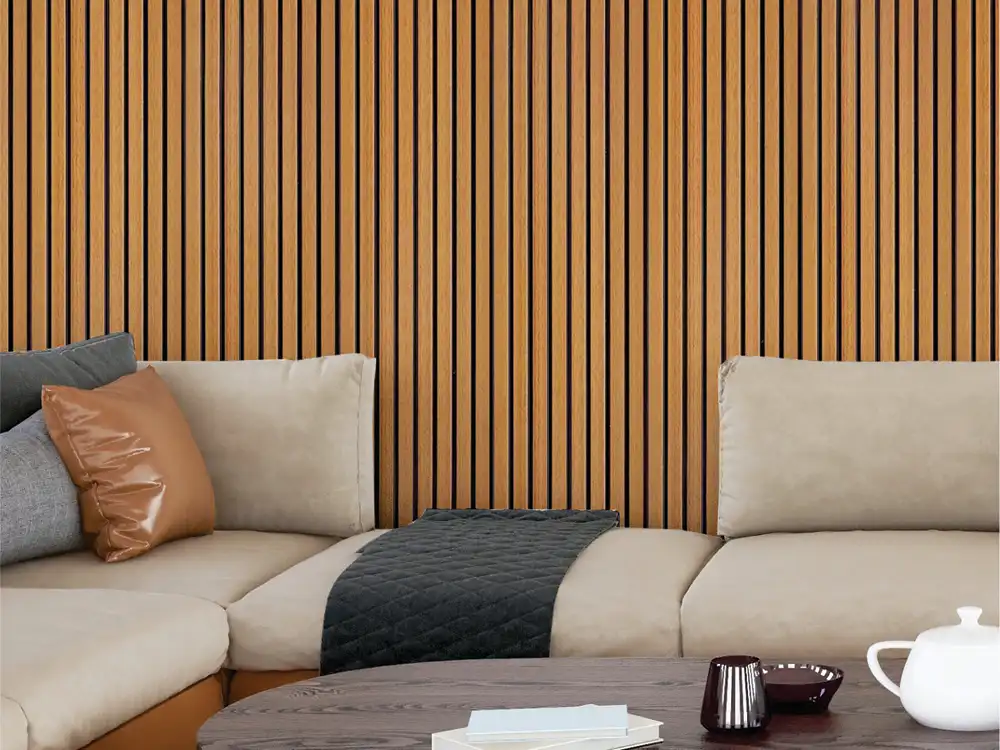
Bedrooms usually look better with warm, calm and soft finishes. Light wood, beige, walnut, greige, muted grey and subtle decorative tones are practical choices. Very dark louvers can look premium, but only when the room has enough light and space.
For warm finish ideas, read wooden finish louvers for warm and premium interiors.
Lighting Ideas for Bedroom Louver Walls
Soft lighting is important. Side lights, pendant lights, warm cove lighting or concealed vertical strips can highlight the grooves gently. Avoid harsh white light because it can make the bedroom feel less relaxing.
Louvers with Fabric, Paint or Panels
Bedroom louver walls do not need to stand alone. They can be combined with plain painted surfaces, soft panels, wallpaper-style textures or simple side paneling. The combination should look calm, not busy.
Design Ideas by Bedroom Style
| Bedroom Style | Louver Direction | Suggested Finish |
|---|---|---|
| Minimal modern | Vertical | Light wood or neutral grey |
| Luxury bedroom | Full-height vertical | Dark wood or rich decorative tone |
| Compact bedroom | Partial vertical | Soft beige or light wood |
| Hotel-style room | Centered headboard wall | Walnut, warm brown or muted metallic pairing |
Bedroom Louver Mistakes to Avoid
Do not choose a finish that is too strong for the room. Avoid too many grooves, heavy lights and bold contrasts in a small bedroom. Also make sure the louver wall is planned with bed height, side table positions and switchboards in mind.
FAQs
Are louvers good for bedroom headboard walls?
Yes. Louvers are very suitable for bedroom headboard walls because they add depth, warmth and a premium look without too much decoration.
Which louver color is best for bedrooms?
Light wood, walnut, beige, greige and soft neutral tones are popular bedroom choices.
Can louvers make a small bedroom look smaller?
They can if the finish is too dark or the profile is too heavy. Use lighter tones and partial designs for small rooms.
Related Guides
For more home planning, read how to choose louvers for home interiors. For living room applications, read best louver designs for living room walls.
Download Mark Decor catalogues to explore bedroom-friendly finishes.
Practical Project Planning Notes
When planning louvers for bedroom headboard walls: ideas and tips, the most important step is to connect the design idea with the actual room conditions. A louver wall that looks premium in a catalogue should also suit the wall height, furniture layout, lighting direction and daily usage of the space. For Indian homes, showrooms and offices, this means checking the full wall area, deciding whether the louver should become the main feature or a supporting texture, and selecting a finish that coordinates with flooring, doors, cabinets and soft furnishings.
For a compact room, a clean vertical profile and a calm finish usually work better than a very bold design. For a large living room, reception, showroom or hotel wall, deeper profiles and richer tones can create a stronger architectural statement. Designers should also review the wall under warm and white lighting because grooves, shadows and wood-inspired finishes change their appearance as the light changes.
Selection Checklist for Dealers, Designers and Homeowners
- Match the louver profile with the scale of the wall and the height of nearby furniture.
- Check whether the surface will be seen from the front, side angle or both.
- Use sample pieces near the actual wall before confirming the final colour or finish.
- Keep lighting simple; side lighting can highlight grooves, while direct glare can make the wall look busy.
- Plan junctions with ceilings, skirting, TV units, cabinets and switches before installation.
A good louver design should not feel like an afterthought. It should become part of the interior language. For example, a living room wall can connect with the TV unit, a bedroom headboard wall can connect with wardrobes, and a commercial reception wall can connect with signage and brand colours.
Common Mistakes to Avoid
A frequent mistake is using too many decorative surfaces in one view. Louvers already create texture, so they work best when nearby materials are balanced. Another mistake is selecting a dark finish in a room with limited light. Darker louvers can look premium, but they need controlled lighting and enough surrounding contrast. Finally, avoid ignoring maintenance access. Grooves and edges should remain easy to clean with gentle routine care.
Mark Decor Guidance
Mark Decor louver collections are designed for homes, offices, hospitality spaces, showrooms and project interiors where finish consistency and premium appearance matter. Dealers and designers can use catalogues to compare louver profiles, wood tones, decorative colours and coordinated surface options before finalizing a scheme. For the best result, shortlist two or three finishes, compare them with the room palette and then decide the profile that gives the right depth without overpowering the design.