Understand what louvers are, how louver wall panels are used in interiors, popular design types, key benefits and where they fit best in modern spaces.
Louvers have become one of the most versatile design elements in modern interiors. Once associated mainly with ventilation and exterior shading, louvers are now widely used as decorative wall panels, ceiling accents, partitions, TV unit backdrops and feature surfaces. Their clean vertical or linear profile adds rhythm, depth and a premium architectural finish without making a space feel heavy.

For homeowners, architects, interior designers and dealers, understanding louvers is important because the right louver panel can improve the visual proportion of a room, conceal uneven surfaces, create zoning, and add a refined design language to residential as well as commercial projects. This guide explains what louvers are, where they are used, their common types, design benefits and how to choose them for modern interiors.
What Are Louvers?
Louvers are a series of repeated slats, ribs or linear profiles arranged at regular intervals. In traditional architecture, louvers were designed to manage air, light and privacy. In interiors, the concept has evolved into decorative louver panels that bring texture, shadow lines and visual height to walls and surfaces.
Modern louver panels are used more for aesthetics and surface design than airflow. They can be installed vertically, horizontally or in selected feature areas depending on the design concept. The repeated grooves create a three-dimensional look, which makes plain walls appear richer and more structured.
Explore Mark Decor Louver Collections
Use these product links as a starting point to explore louver wall panels, decorative designs and finish options for modern interior projects.
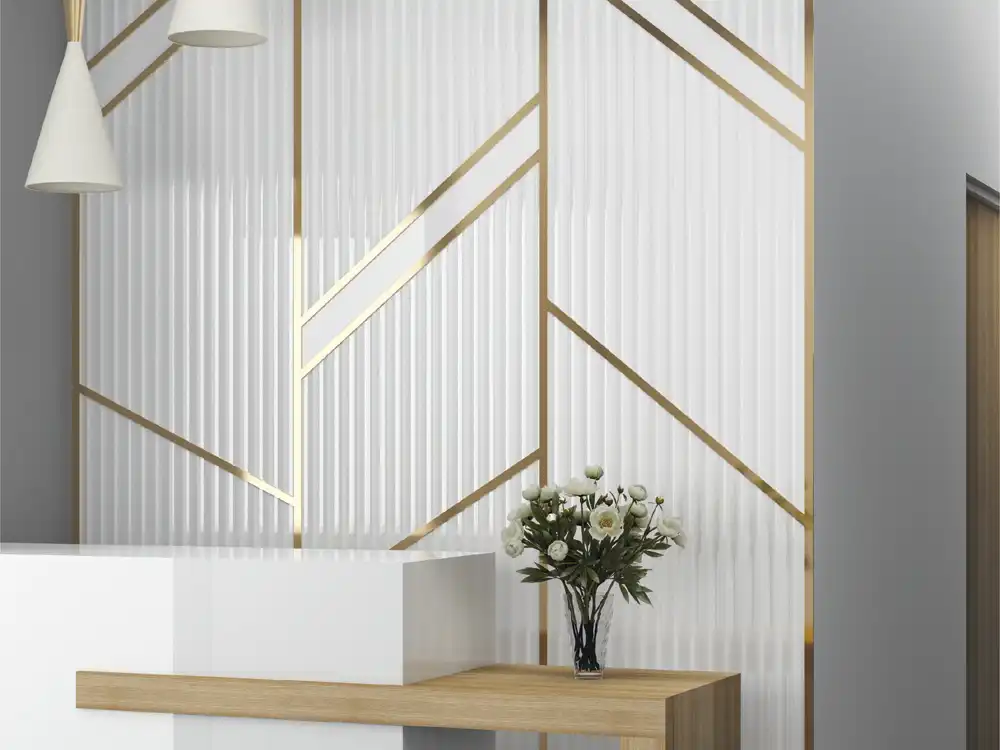
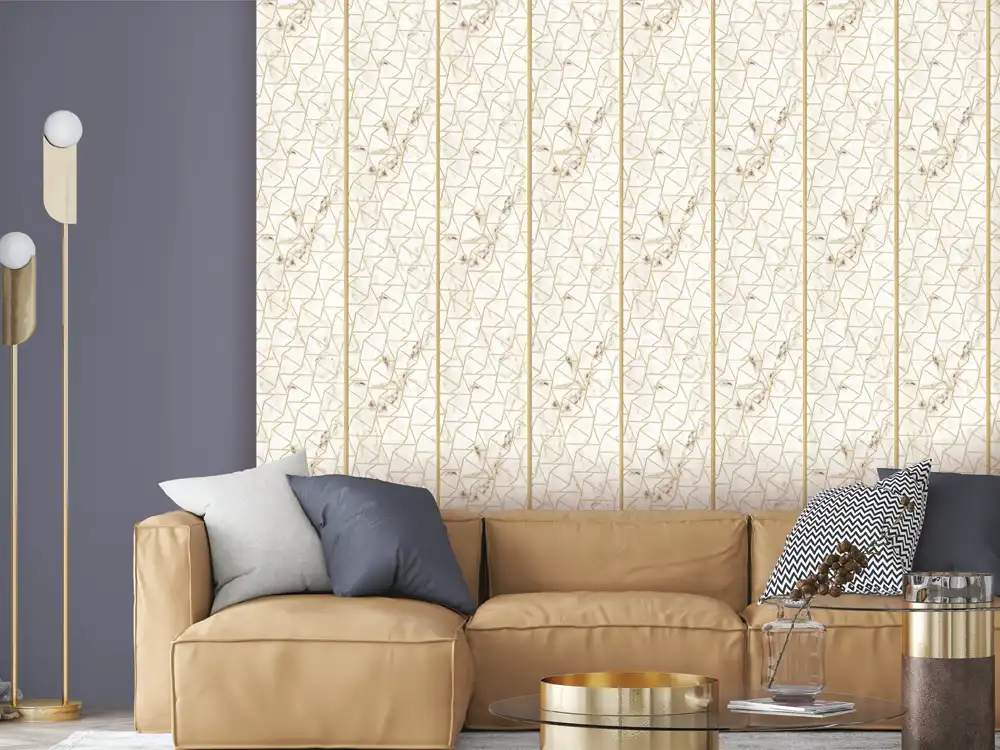
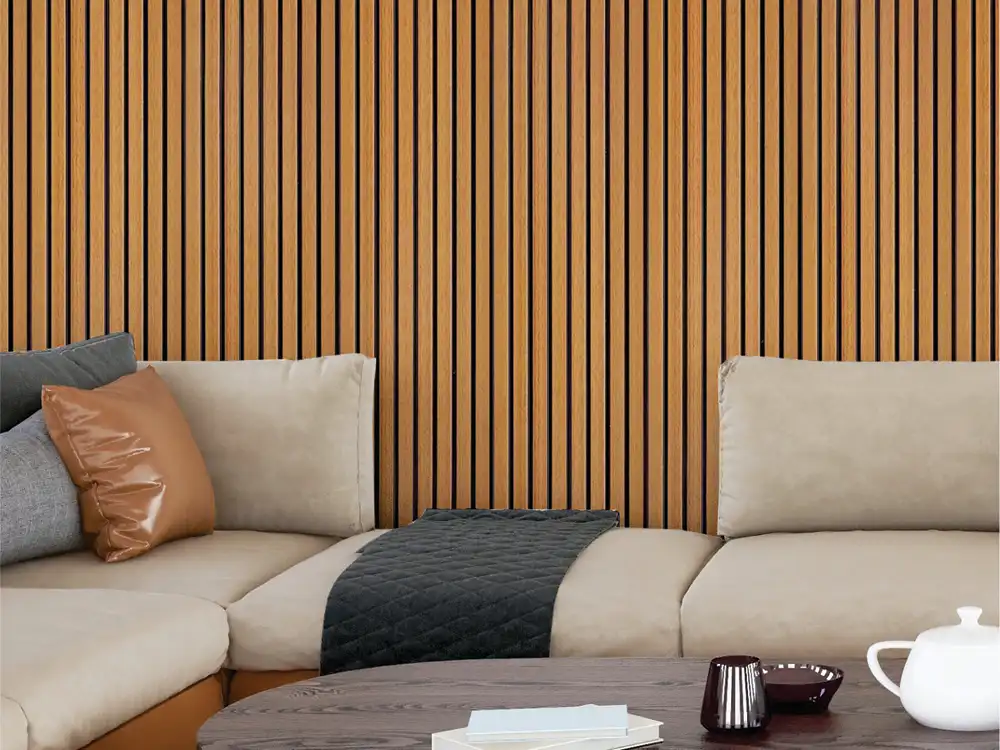
Why Louvers Are Popular in Modern Interiors
The popularity of louvers comes from their ability to transform a space quickly. A simple wall can look premium when finished with well-designed louver wall panels. The linear pattern also suits many interior styles, from minimal contemporary homes to luxury commercial showrooms.
- Visual height: Vertical louvers make walls appear taller and rooms feel more spacious.
- Depth and texture: Grooved surfaces create natural highlights and shadows.
- Clean finish: Louvers help create a planned, architectural look.
- Design flexibility: They work with stone, acrylic panels, laminates, mirrors, lighting and furniture.
- Practical coverage: Panels can help cover dull or uneven wall areas with a decorative surface.
Common Uses of Louvers in Interior Spaces
1. Living Room Feature Walls
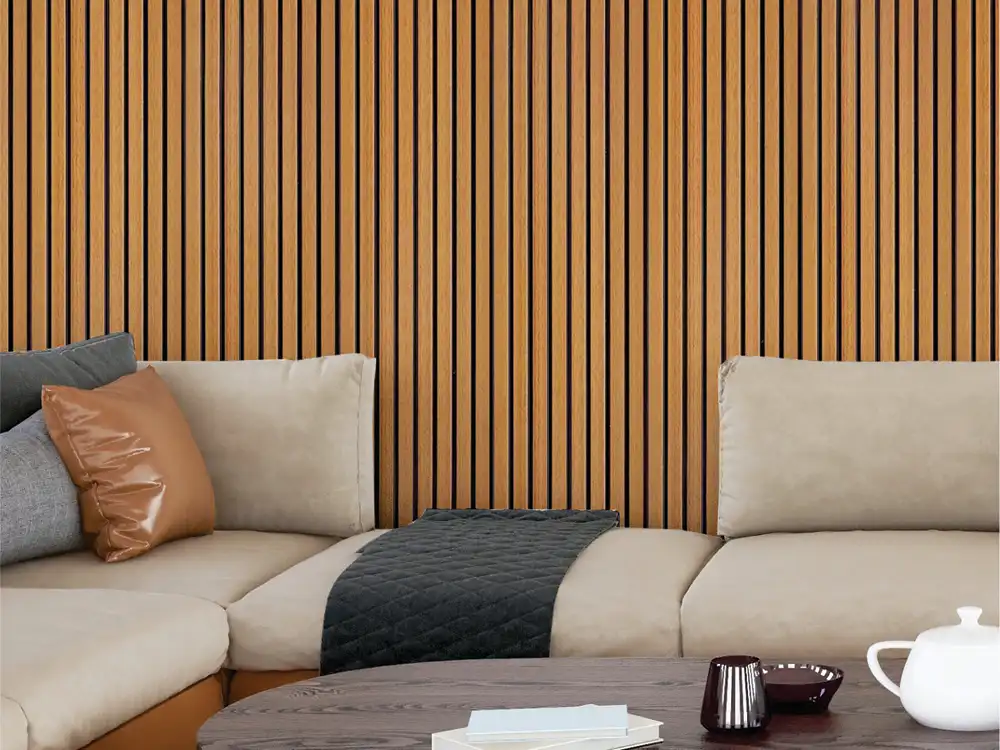
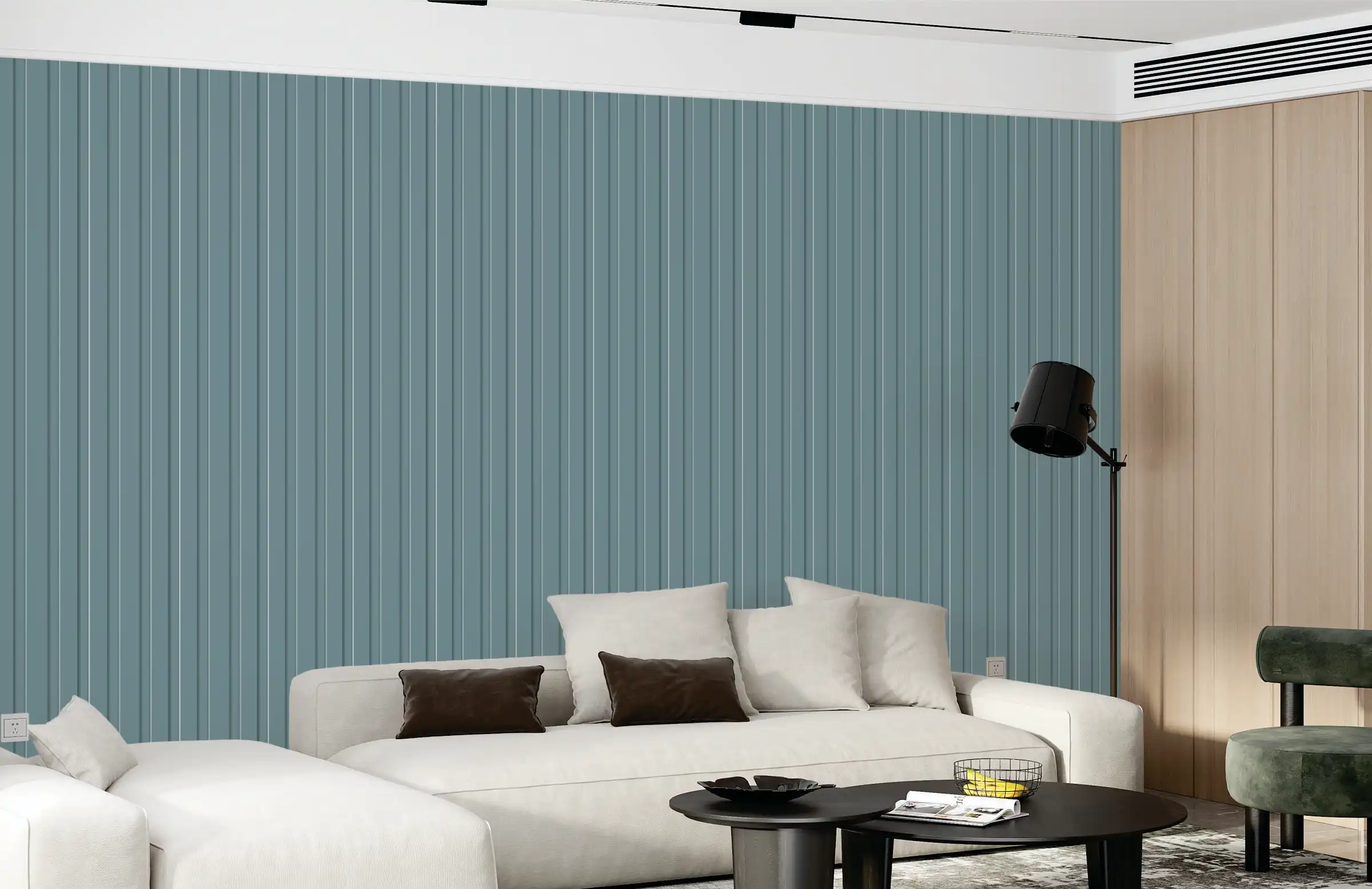
Louvers are commonly used behind sofas, around TV units or as a full-height feature wall in living rooms. The vertical lines add elegance and make the room feel more designed. They can be paired with warm lighting, metallic accents or neutral panels for a premium look.
2. TV Unit Back Panels
A louver wall panel behind a TV unit creates a neat backdrop and reduces the flatness of a plain wall. It can also be combined with cabinets, open shelves or stone-look panels to form a complete entertainment wall.
3. Bedroom Headboard Walls
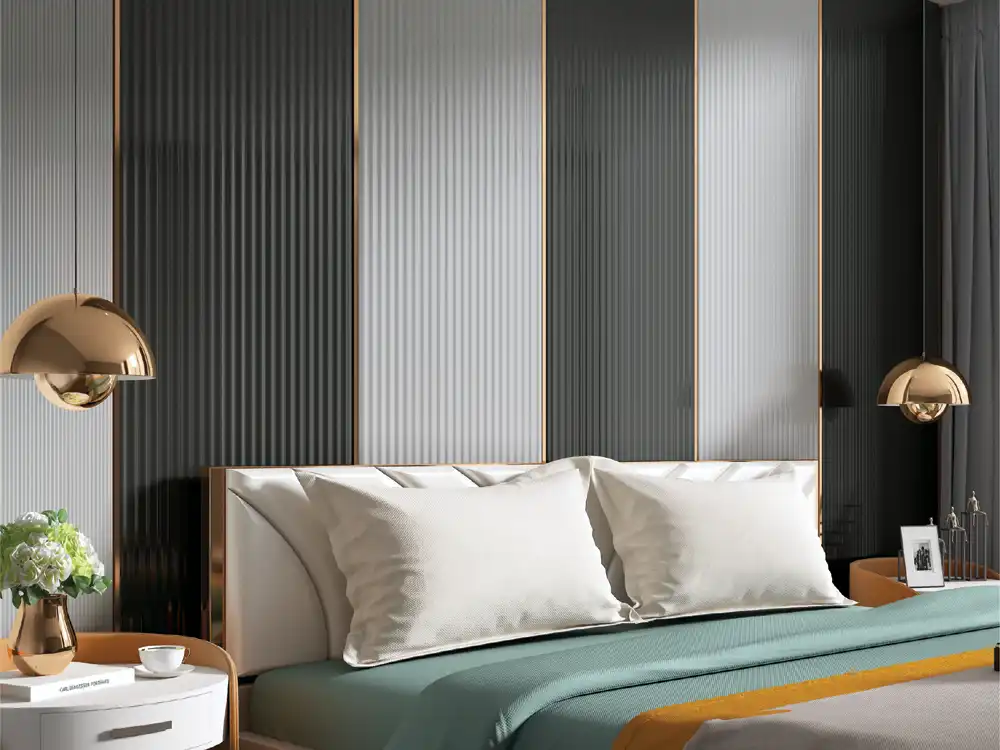
In bedrooms, louvers work beautifully behind the bed as a headboard wall. They add softness and structure without needing heavy decor. Light wooden tones, warm browns, greys and subtle textured finishes are popular choices for bedroom louver designs.
4. Partitions and Zoning
Louvers can visually divide spaces while maintaining openness. In homes, they can separate living and dining areas. In offices or retail spaces, they can create semi-private zones without building solid walls.
5. Commercial and Hospitality Interiors
Showrooms, reception areas, cafes, hotels and offices often use decorative louvers to create a premium first impression. The repeated linear format gives large surfaces a disciplined and professional look.
Types of Louvers Used in Interiors
Decorative Wall Louvers
These are designed mainly for wall application and visual enhancement. They are used in residential, retail and commercial spaces where surface design is important.
Fluted or Grooved Louvers
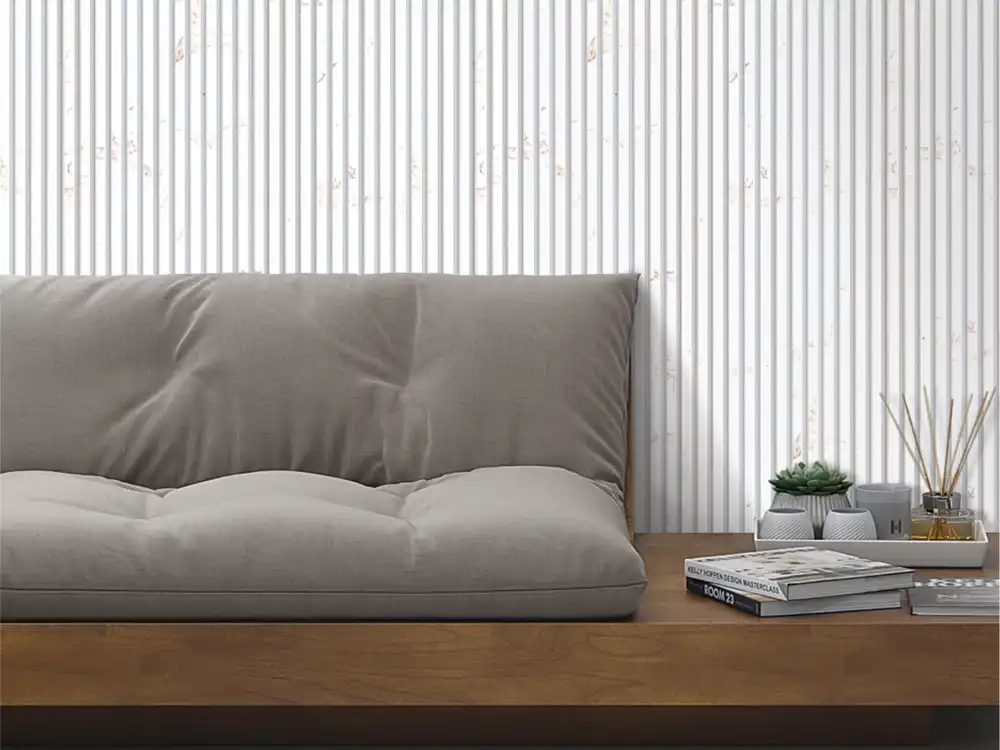
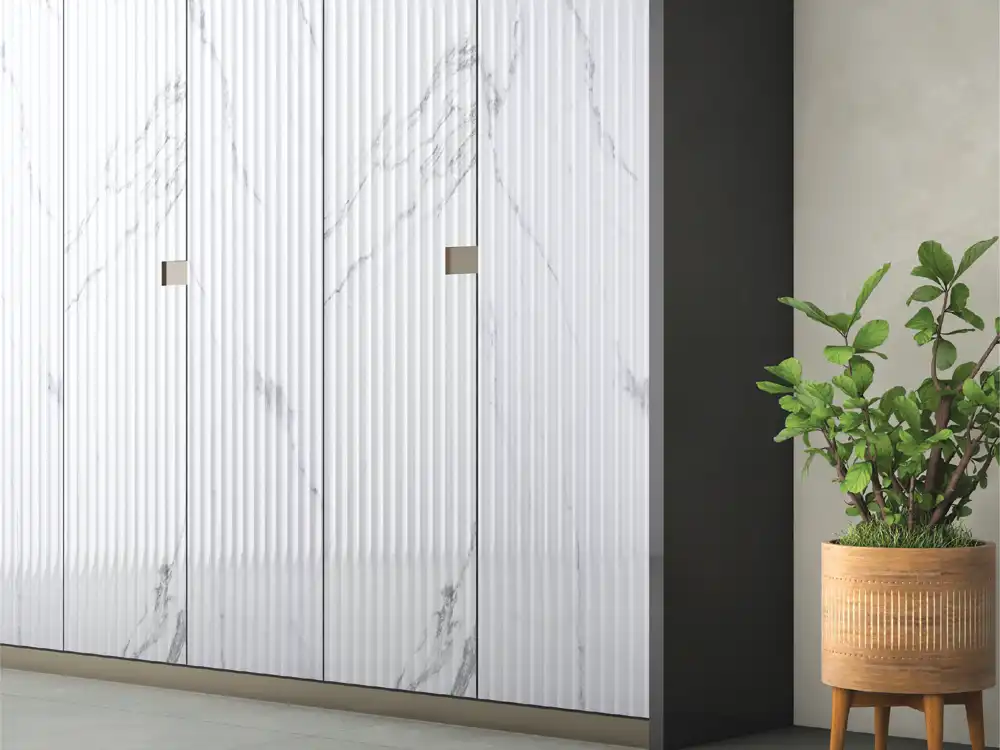
Fluted louvers have narrow grooves that create fine shadow lines. They are ideal for modern interiors where subtle texture is preferred over heavy patterns.
Wide Profile Louvers
Wider louver profiles create a bold architectural look. They are often used in larger rooms, showrooms and feature walls where the design needs stronger visibility.
Wood-Finish Louvers
Wood-inspired louvers remain popular because they bring warmth to interiors. They suit living rooms, bedrooms, offices and hospitality spaces.
Premium Decorative Louvers
Modern premium louvers may include richer textures, contemporary colors, special surface finishes and coordinated panel systems that can be matched with other decorative surface materials.
Related Interior Applications
Louvers can be planned for different interior applications depending on the room, surface and design effect required.
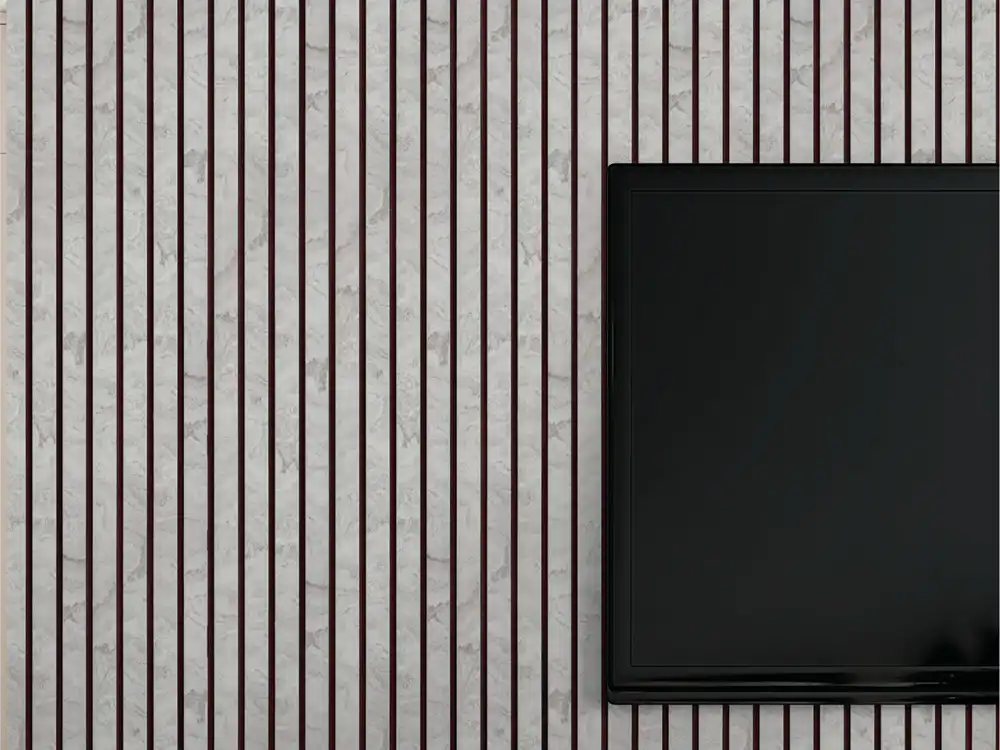
Design Benefits of Louver Wall Panels
| Benefit | How It Helps Interiors |
|---|---|
| Texture | Adds depth and prevents walls from looking flat. |
| Continuity | Creates a clean linear pattern across walls or panels. |
| Luxury Look | Gives interiors a premium architectural character. |
| Versatility | Works with modern, classic, minimal and commercial styles. |
| Easy Pairing | Combines well with lighting, furniture and other decorative panels. |
How to Choose the Right Louvers for Your Project
Before selecting louvers, consider the size of the room, lighting, wall height, furniture style and the overall design mood. Small spaces usually look better with subtle profiles and lighter tones, while larger areas can carry deeper colors and wider profiles. For premium interiors, consistency of finish and quality of surface are very important.
- Choose vertical profiles when you want to make a wall appear taller.
- Use warm wood tones for bedrooms, lounges and hospitality spaces.
- Select darker or bolder finishes for feature walls and showrooms.
- Pair louvers with indirect lighting to highlight the groove effect.
- Match the panel color with flooring, furniture and other wall surfaces.
Where Mark Decor Louvers Fit In
Mark Decor focuses on premium decorative surface solutions for modern interiors. Our louver collections are designed for architects, interior designers, dealers and project buyers who need a balance of design appeal, finish quality and practical application. Whether the requirement is a residential feature wall, commercial display area, office backdrop or hospitality interior, louvers can be planned as part of a complete surface design system.
You can explore Mark Decor product families through our catalogues or connect with the Mark Decor team for project guidance and product selection support.
FAQs About Louvers
What are louvers used for in interiors?
In interiors, louvers are used as decorative wall panels, TV unit backdrops, bedroom headboard walls, partitions, ceiling accents and feature surfaces.
Are louver panels suitable for living rooms?
Yes. Louver panels are highly suitable for living rooms because they add texture, height and a premium finish to sofa walls, TV units and feature areas.
Can louvers be used in bedrooms?
Yes. Louvers are often used behind beds as headboard walls. Softer finishes and warm tones create a comfortable and elegant bedroom look.
Which louver design is best for modern interiors?
Vertical grooved louvers, wood-finish louvers and clean fluted profiles are popular choices for modern interiors because they create a sleek and structured appearance.
Do louvers need maintenance?
Most decorative louver panels are easy to maintain with regular dusting and gentle cleaning. Maintenance depends on the surface finish and installation area.
Conclusion
Louvers are no longer just functional architectural elements. In modern interiors, they have become a powerful design tool for creating textured, elegant and visually balanced spaces. From living rooms and bedrooms to offices, showrooms and hospitality projects, louver wall panels offer a refined way to upgrade surfaces with depth and character.
If you are planning a new interior project, explore how Mark Decor louvers and decorative surface solutions can help create a polished, premium and long-lasting design statement.
Related Surface Guides from Mark Decor
Also explore acrylic sheets for modern interiors and scratch-resistant acrylic sheets for kitchens, wardrobes and wall panels.
Practical Project Planning Notes
When planning what are louvers? uses, types, designs and benefits for modern interiors, the most important step is to connect the design idea with the actual room conditions. A louver wall that looks premium in a catalogue should also suit the wall height, furniture layout, lighting direction and daily usage of the space. For Indian homes, showrooms and offices, this means checking the full wall area, deciding whether the louver should become the main feature or a supporting texture, and selecting a finish that coordinates with flooring, doors, cabinets and soft furnishings.
For a compact room, a clean vertical profile and a calm finish usually work better than a very bold design. For a large living room, reception, showroom or hotel wall, deeper profiles and richer tones can create a stronger architectural statement. Designers should also review the wall under warm and white lighting because grooves, shadows and wood-inspired finishes change their appearance as the light changes.
Selection Checklist for Dealers, Designers and Homeowners
- Match the louver profile with the scale of the wall and the height of nearby furniture.
- Check whether the surface will be seen from the front, side angle or both.
- Use sample pieces near the actual wall before confirming the final colour or finish.
- Keep lighting simple; side lighting can highlight grooves, while direct glare can make the wall look busy.
- Plan junctions with ceilings, skirting, TV units, cabinets and switches before installation.
A good louver design should not feel like an afterthought. It should become part of the interior language. For example, a living room wall can connect with the TV unit, a bedroom headboard wall can connect with wardrobes, and a commercial reception wall can connect with signage and brand colours.
Common Mistakes to Avoid
A frequent mistake is using too many decorative surfaces in one view. Louvers already create texture, so they work best when nearby materials are balanced. Another mistake is selecting a dark finish in a room with limited light. Darker louvers can look premium, but they need controlled lighting and enough surrounding contrast. Finally, avoid ignoring maintenance access. Grooves and edges should remain easy to clean with gentle routine care.
Mark Decor Guidance
Mark Decor louver collections are designed for homes, offices, hospitality spaces, showrooms and project interiors where finish consistency and premium appearance matter. Dealers and designers can use catalogues to compare louver profiles, wood tones, decorative colours and coordinated surface options before finalizing a scheme. For the best result, shortlist two or three finishes, compare them with the room palette and then decide the profile that gives the right depth without overpowering the design.