
A B2B guide to decorative louvers for reception areas, offices, showrooms, hospitality spaces and premium commercial interior projects.
Commercial interiors have to work harder than residential spaces. A reception wall must create trust. A showroom wall must support display. An office backdrop must look professional in person and on video calls. Decorative louvers help achieve this because they add depth, order and a premium finish without overwhelming the space.
This guide is written for architects, interior designers, dealers, contractors and project buyers planning commercial spaces. For the basics, you can first read what louvers are, their uses, types and benefits.
Why Louvers Work in Commercial Interiors
Commercial spaces often have larger wall surfaces than homes. Plain walls can look empty, while overly decorative walls can look distracting. Louvers bring a disciplined linear pattern that feels modern, premium and professional.
- They create a strong first impression.
- They add texture to large wall areas.
- They work with brand signage and lighting.
- They suit showrooms, offices, hotels, cafes and reception spaces.
Reception Wall Louvers
The reception area is often the first physical touchpoint of a brand. A louver wall behind the desk can make the space look structured and premium. When paired with signage and warm lighting, it creates a strong visual identity.
Office Cabin and Meeting Room Backdrops
Office backdrops are more visible today because of video meetings, client visits and social media content. Louvers can create a clean professional background behind desks, conference tables and waiting areas.
Retail Showroom Feature Walls
In showrooms, wall surfaces should support product display. Louvers can be used behind counters, display areas, consultation zones and brand walls. The linear texture adds richness without competing too much with the product.
Hospitality and Cafe Interiors
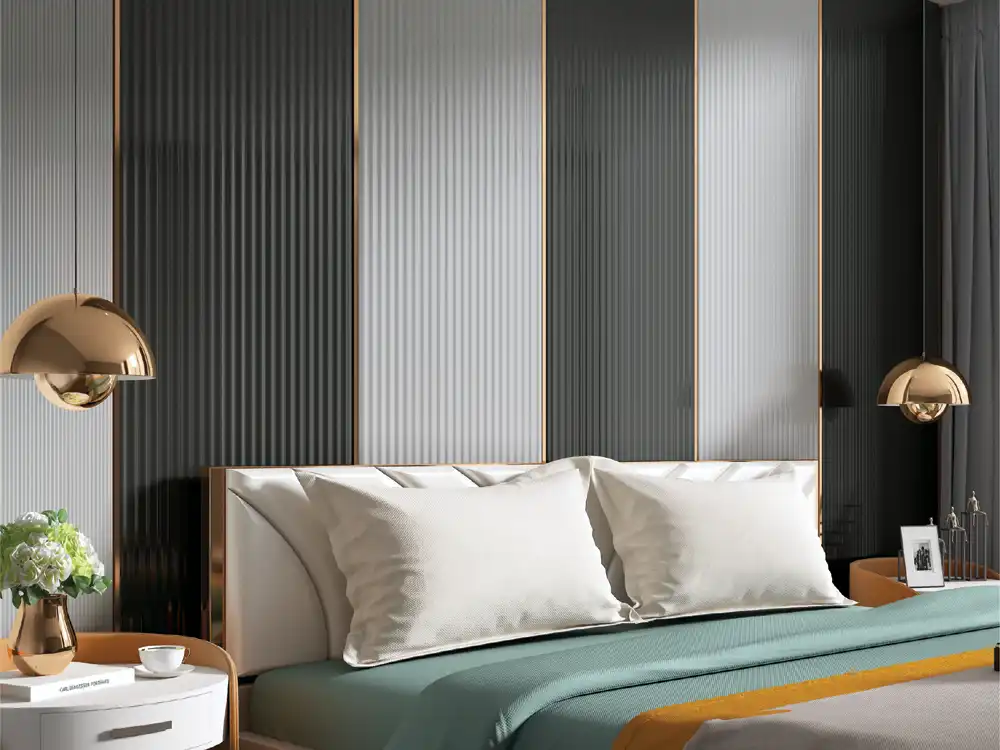
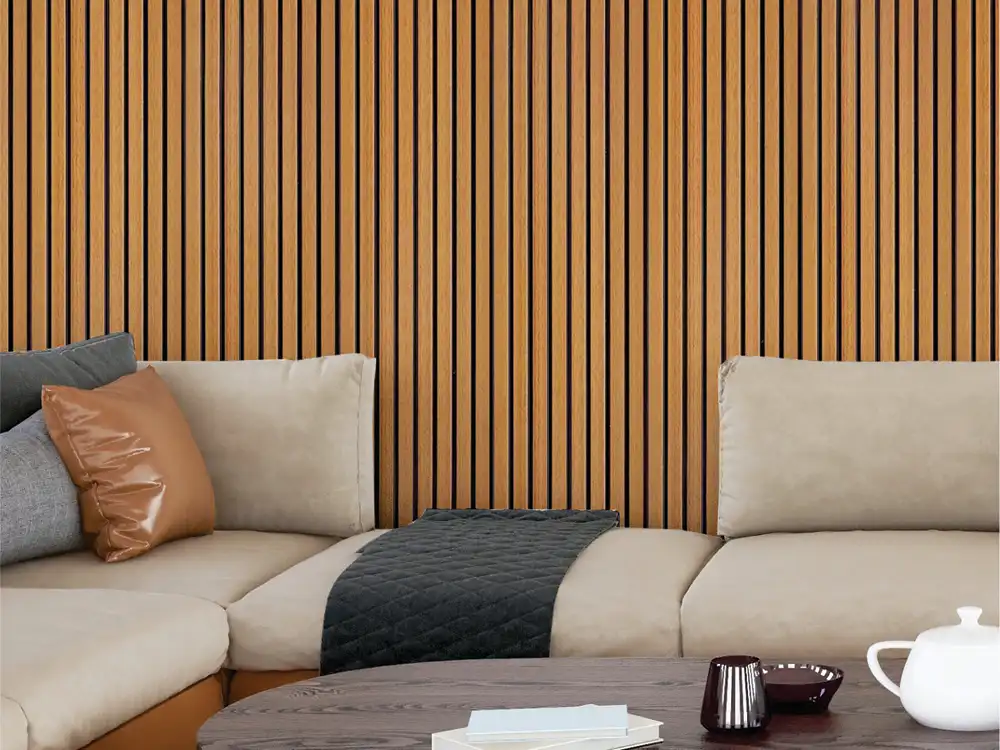
Hotels, cafes and lounges need memorable spaces. Louvers help build mood through texture and lighting. Wooden finish louvers can make a hospitality space warm, while darker or decorative profiles can create a more premium evening atmosphere.
Design Planning for Commercial Louvers
Commercial spaces need practical planning. Consider footfall, cleaning access, lighting, branding, wall size and viewing distance. A profile that looks subtle in a small sample may appear different on a large wall. Similarly, a very deep or dark profile may need stronger lighting to look balanced.
Where to Use Decorative Louvers in Commercial Projects
| Space | Best Louver Use |
|---|---|
| Reception | Backdrop wall with signage and lighting |
| Office | Cabin wall, meeting room wall or lobby accent |
| Showroom | Feature wall, display zone or consultation area |
| Hotel | Lobby, corridor, room headboard or lounge wall |
| Cafe | Seating wall, counter backdrop or photo corner |
Louvers vs Other Commercial Wall Panels
Louvers are best when the wall needs rhythm, height and premium texture. Other wall panels are useful for smooth coverage or broad decorative backgrounds. In many commercial projects, both are used together. Read louvers vs wall panels for a clear comparison.
FAQs
Are louvers suitable for offices?
Yes. Louvers are suitable for office cabins, reception walls, meeting rooms and lounge areas because they create a professional and premium look.
Can louvers be used in showrooms?
Yes. Louvers work well in showrooms as feature walls, product display backdrops and consultation area surfaces.
Which louver finish is best for commercial interiors?
Wood finish, neutral tones, deeper premium shades and coordinated decorative finishes can all work depending on the brand and lighting.
Project Takeaway
Decorative louvers can help commercial interiors look more refined, organized and memorable. The key is to select the profile and finish according to scale, lighting and brand mood.
For finish ideas, read wooden finish louvers. For technical texture planning, read fluted louvers and grooved wall panels.
Contact Mark Decor for commercial project and catalogue guidance.
Practical Project Planning Notes
When planning decorative louvers for commercial interiors, offices and showrooms, the most important step is to connect the design idea with the actual room conditions. A louver wall that looks premium in a catalogue should also suit the wall height, furniture layout, lighting direction and daily usage of the space. For Indian homes, showrooms and offices, this means checking the full wall area, deciding whether the louver should become the main feature or a supporting texture, and selecting a finish that coordinates with flooring, doors, cabinets and soft furnishings.
For a compact room, a clean vertical profile and a calm finish usually work better than a very bold design. For a large living room, reception, showroom or hotel wall, deeper profiles and richer tones can create a stronger architectural statement. Designers should also review the wall under warm and white lighting because grooves, shadows and wood-inspired finishes change their appearance as the light changes.
Selection Checklist for Dealers, Designers and Homeowners
- Match the louver profile with the scale of the wall and the height of nearby furniture.
- Check whether the surface will be seen from the front, side angle or both.
- Use sample pieces near the actual wall before confirming the final colour or finish.
- Keep lighting simple; side lighting can highlight grooves, while direct glare can make the wall look busy.
- Plan junctions with ceilings, skirting, TV units, cabinets and switches before installation.
A good louver design should not feel like an afterthought. It should become part of the interior language. For example, a living room wall can connect with the TV unit, a bedroom headboard wall can connect with wardrobes, and a commercial reception wall can connect with signage and brand colours.
Common Mistakes to Avoid
A frequent mistake is using too many decorative surfaces in one view. Louvers already create texture, so they work best when nearby materials are balanced. Another mistake is selecting a dark finish in a room with limited light. Darker louvers can look premium, but they need controlled lighting and enough surrounding contrast. Finally, avoid ignoring maintenance access. Grooves and edges should remain easy to clean with gentle routine care.
Mark Decor Guidance
Mark Decor louver collections are designed for homes, offices, hospitality spaces, showrooms and project interiors where finish consistency and premium appearance matter. Dealers and designers can use catalogues to compare louver profiles, wood tones, decorative colours and coordinated surface options before finalizing a scheme. For the best result, shortlist two or three finishes, compare them with the room palette and then decide the profile that gives the right depth without overpowering the design.