
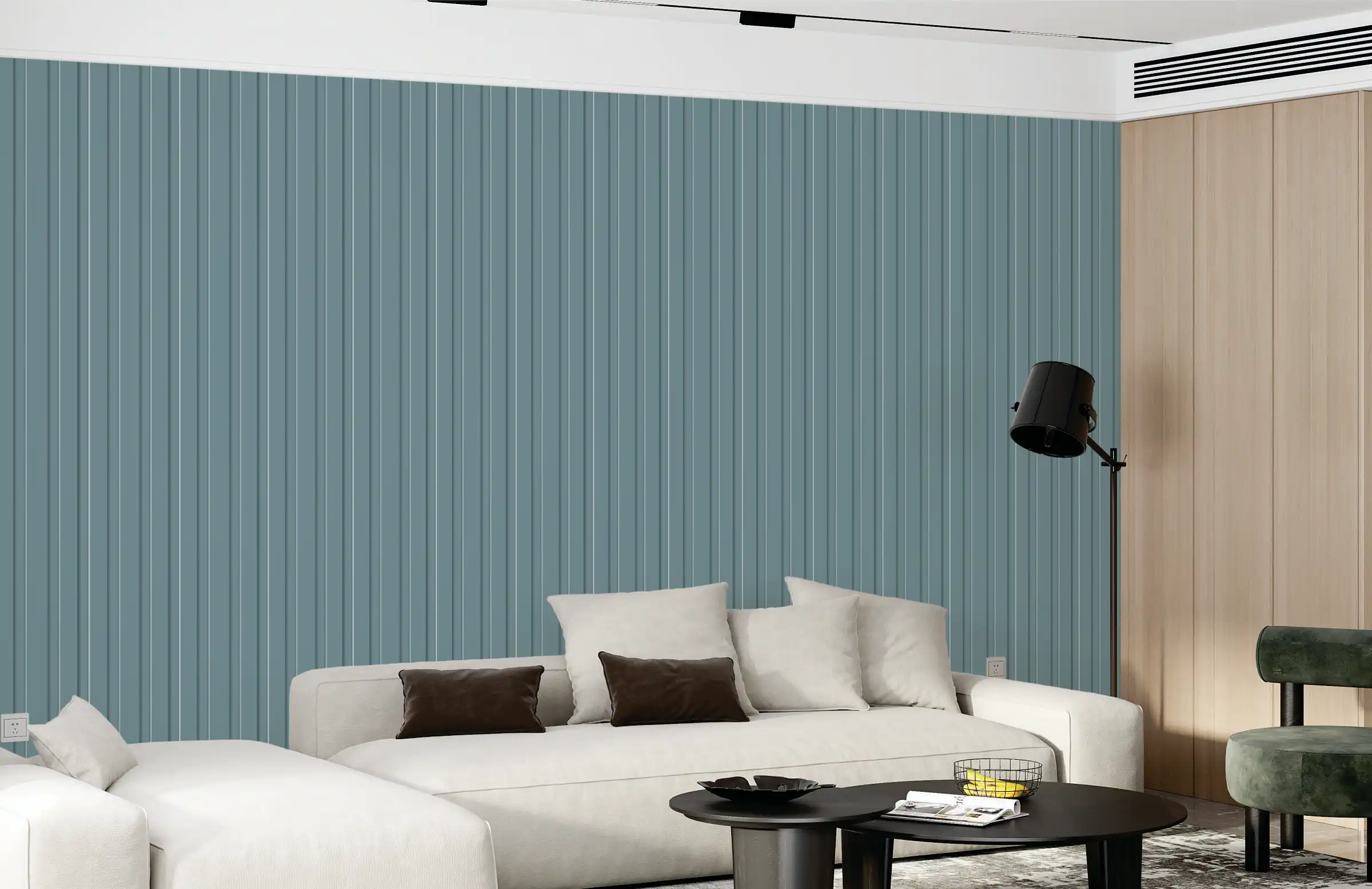
Practical guide to interior louver manufacturer covering quality, selection, samples, documentation, supply and project buying considerations.
interior louver manufacturer is a search that usually comes from a buyer already comparing products, manufacturers or project options. This guide uses practical selection criteria instead of unsupported rankings or generic marketing claims.
Explore relevant Mark Decor product routes such as Louvers, Infinite and Volume 5. Use current product pages and physical samples as the final reference for collection availability, dimensions and finishes.
A distinct category
Search results for louvers often mix interior decorative products with ventilation and facade systems. Decorative louvers are chosen mainly for visual rhythm and surface design.
Test the decision against the real wall, room scale and adjoining materials rather than an isolated product photograph. Furniture, flooring, paint, stone, lighting and ceiling height can all change how the surface is perceived.
Specialisation improves selection
An interior-focused manufacturer can organise products around living rooms, TV units, bedrooms, receptions and retail spaces.
Test the decision against the real wall, room scale and adjoining materials rather than an isolated product photograph. Furniture, flooring, paint, stone, lighting and ceiling height can all change how the surface is perceived.
Profile design matters
Narrow, wide, grooved and patterned profiles create different shadow lines and visual proportions.
Test the decision against the real wall, room scale and adjoining materials rather than an isolated product photograph. Furniture, flooring, paint, stone, lighting and ceiling height can all change how the surface is perceived.
Finish direction matters
Wood-inspired, mineral, marble-like and solid finishes respond differently to lighting and surrounding materials.
Compare more than one piece under the lighting in which the material will actually be seen. A showroom sample viewed flat on a table can look different once repeated vertically across a complete wall.
View samples vertically
Wall products should be judged upright and from normal viewing distance.
Compare more than one piece under the lighting in which the material will actually be seen. A showroom sample viewed flat on a table can look different once repeated vertically across a complete wall.
Project coordination
Clear collection names, codes and dimensions reduce misunderstandings among architects, dealers and installers.
For larger orders, keep the approved product code, quantity calculation, delivery notes and photographs together. This helps dealers, designers, contractors and the site team stay aligned when work is delivered in phases.
Consistency on large walls
Repeated geometry makes straightness and finish differences easier to notice.
Compare more than one piece under the lighting in which the material will actually be seen. A showroom sample viewed flat on a table can look different once repeated vertically across a complete wall.
Use current product pages
Editorial content can educate; current collection pages should remain the source for available ranges and specifications.
Test the decision against the real wall, room scale and adjoining materials rather than an isolated product photograph. Furniture, flooring, paint, stone, lighting and ceiling height can all change how the surface is perceived.
How Mark Decor fits into the selection process
For current products, move from this guide to Louvers, Infinite and Volume 5. Related Mark Decor guides can help buyers understand the category before requesting samples or quotations.
Related reading: Volume 6 and What Are Louvers?.
Before you place an order
- Confirm the exact collection and product code.
- Review a current physical sample.
- Measure the actual wall or application area.
- Plan corners, edges, cut-outs and transitions before installation.
- Calculate quantity with a realistic cutting allowance.
- Confirm availability, packing and delivery details.
- Use only product-specific verified performance claims.
Interior design changes what ‘good’ means
For an exterior or ventilation product, airflow and weather-related engineering may dominate the specification. Decorative interior louvers are judged differently. The buyer notices profile rhythm, shadow, colour, texture, joint alignment, and coordination with furniture. This changes the manufacturer conversation. An interior specialist should be able to discuss where a wide profile feels appropriate, how dark finishes behave behind a television, or how a warm wood-inspired surface interacts with flooring and cabinetry. Product quality and design quality become closely connected.
Room type should influence the shortlist
Do not choose an interior louver only by favourite colour. In a bedroom, the wall may need a calm finish that works with warm lighting and textiles. A reception or showroom can accept stronger contrast and more visible texture. A living-room TV wall must also coordinate with the screen, console, wiring, and viewing direction. Asking the manufacturer or dealer to organise samples by application can make selection faster and more relevant than comparing dozens of unrelated finishes at once.
Profile width controls visual density
Two louver collections in similar colours can create very different walls if their profile widths and groove proportions differ. Narrow repetition can produce a detailed linear effect, while a wider profile creates a calmer and broader rhythm. On a small wall, excessive repetition may feel busy; on a large commercial wall, a very fine profile may lose impact from a distance. The interior specialist should therefore provide accurate dimensions so designers can test the rhythm on an elevation before ordering.
Lighting is part of the product presentation
Vertical grooves create highlights and shadows that change through the day. Side lighting usually emphasises profile depth, while flat front lighting can reduce it. Dark finishes may become more dramatic under grazing light, and reflective or patterned surfaces may show stronger contrast than expected. Review samples in the intended lighting whenever possible. For a major feature wall, a small illuminated mock-up is more informative than a catalogue image because it shows how the actual profile behaves in the space.
Interior specialists should support coordination details
The louver wall must meet other components: skirting, false ceilings, door frames, cabinets, mirrors, stone, switches, sockets, and television brackets. An interior-focused product range should have clear dimensions and enough product information for these junctions to be designed. The manufacturer does not replace the architect or installer, but accurate product data gives them a reliable basis for drawings and site work. That coordination is part of what makes specialisation valuable.
Use specialisation to reduce search ambiguity
Online searches for ‘louvers’ often mix products with very different purposes. Buyers can save time by adding interior, decorative, wall panel, living room, or manufacturer terms to their research. On the website, keeping interior-louver content connected to actual louver collections helps both users and search engines understand the category more clearly. The objective is not keyword repetition; it is consistent topical structure where educational guides, manufacturer information, and product collections all describe the same interior-surface context.
Practical decision record
Before finalising a decision around interior louver manufacturer, write down the selected collection, exact code, sample approval date, relevant dimensions, quantity basis, installation contact, delivery requirement and any important limitation discussed with the supplier. This short record is useful because interior-surface decisions often pass through several people between selection and installation. Keeping the information together reduces assumptions and gives the project team a clear reference if the order is revised later.
Frequently Asked Questions
What is an interior louver?
A decorative profiled surface used to add rhythm, depth and texture to interior walls.
How is it different from a ventilation louver?
Interior louvers are selected primarily for design rather than airflow control.
What should architects request?
Current samples, product codes, dimensions and collection information.
Conclusion
Choosing around interior louver manufacturer is easier when the comparison is based on product identity, consistency, samples, documentation and supply support. A strong manufacturer or brand relationship should reduce uncertainty from selection through delivery.


