
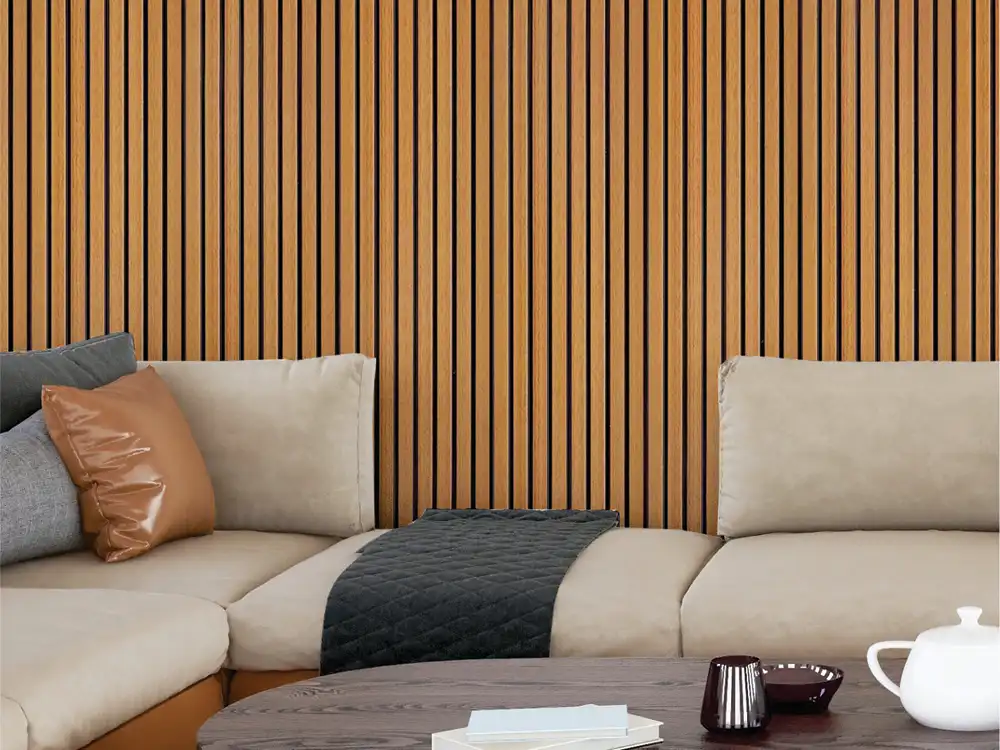
Practical guide to louver panel quality covering quality, selection, samples, documentation, supply and project buying considerations.
louver panel quality is a search that usually comes from a buyer already comparing products, manufacturers or project options. This guide uses practical selection criteria instead of unsupported rankings or generic marketing claims.
Explore relevant Mark Decor product routes such as Louvers, Volume 7 and Volume 6. Use current product pages and physical samples as the final reference for collection availability, dimensions and finishes.
1. Straightness
Look along several panels; repeated profiles make distortion visible.
Test the decision against the real wall, room scale and adjoining materials rather than an isolated product photograph. Furniture, flooring, paint, stone, lighting and ceiling height can all change how the surface is perceived.
2. Dimensions
Verify width, thickness and length against the current specification.
Test the decision against the real wall, room scale and adjoining materials rather than an isolated product photograph. Furniture, flooring, paint, stone, lighting and ceiling height can all change how the surface is perceived.
3. Edge condition
Edges should support the intended joining and termination method.
Test the decision against the real wall, room scale and adjoining materials rather than an isolated product photograph. Furniture, flooring, paint, stone, lighting and ceiling height can all change how the surface is perceived.
4. Colour consistency
Compare several pieces under neutral light.
Compare more than one piece under the lighting in which the material will actually be seen. A showroom sample viewed flat on a table can look different once repeated vertically across a complete wall.
5. Pattern continuity
Grain, mineral or abstract effects should repeat intentionally.
Test the decision against the real wall, room scale and adjoining materials rather than an isolated product photograph. Furniture, flooring, paint, stone, lighting and ceiling height can all change how the surface is perceived.
6. Surface defects
Inspect for marks, bubbles, sheen variation or damage.
Compare more than one piece under the lighting in which the material will actually be seen. A showroom sample viewed flat on a table can look different once repeated vertically across a complete wall.
7. Room lighting
Warm light, daylight and spotlights can change apparent colour and depth.
Test the decision against the real wall, room scale and adjoining materials rather than an isolated product photograph. Furniture, flooring, paint, stone, lighting and ceiling height can all change how the surface is perceived.
8. Product code
The approved sample should match quotation and delivery identification.
Clear documentation reduces site interpretation. The same collection name and product code should appear on the approved sample, quotation and purchase communication whenever possible.
9. Joint appearance
Dry-fit representative panels before full installation.
Test the decision against the real wall, room scale and adjoining materials rather than an isolated product photograph. Furniture, flooring, paint, stone, lighting and ceiling height can all change how the surface is perceived.
10. Packaging
Poor packing can damage otherwise good material.
Test the decision against the real wall, room scale and adjoining materials rather than an isolated product photograph. Furniture, flooring, paint, stone, lighting and ceiling height can all change how the surface is perceived.
11. Application fit
Use the product where the current manufacturer guidance supports it.
Test the decision against the real wall, room scale and adjoining materials rather than an isolated product photograph. Furniture, flooring, paint, stone, lighting and ceiling height can all change how the surface is perceived.
12. Reference sample
Keep one labelled approved piece until the project is complete.
Compare more than one piece under the lighting in which the material will actually be seen. A showroom sample viewed flat on a table can look different once repeated vertically across a complete wall.
How Mark Decor fits into the selection process
For current products, move from this guide to Louvers, Volume 7 and Volume 6. Related Mark Decor guides can help buyers understand the category before requesting samples or quotations.
Related reading: How to Choose Louvers and How to Clean Louver Panels.
Before you place an order
- Confirm the exact collection and product code.
- Review a current physical sample.
- Measure the actual wall or application area.
- Plan corners, edges, cut-outs and transitions before installation.
- Calculate quantity with a realistic cutting allowance.
- Confirm availability, packing and delivery details.
- Use only product-specific verified performance claims.
Use a simple sample inspection setup
Place three or more louver panels upright against a neutral wall, ideally under daylight and a second artificial light source. Stand close enough to inspect the finish, then move back to the normal viewing distance. Check whether the vertical lines remain straight and whether colour or sheen changes unexpectedly from one piece to another. This simple setup is more informative than turning a single small sample in your hand because it begins to reproduce the repetition that makes louvers visually distinctive.
Dry-fit before cutting the full quantity
If the project is significant, ask the installer to dry-fit a few panels on a flat surface or temporary wall. This reveals the joint rhythm, visible gaps, and how the selected profile repeats. It also gives the team a chance to confirm orientation and the preferred starting point. A dry-fit does not replace installation guidance, but it can prevent a simple misunderstanding from being repeated across an entire wall after adhesive or fixing work has started.
Separate cosmetic variation from real defects
Decorative finishes may intentionally include grain, mineral movement, or patterned variation. The quality question is whether that variation belongs to the design and remains visually coherent, not whether every square centimetre is identical. Compare the current sample with the product imagery and several pieces together. If one panel shows a mark, colour shift, or surface change that does not appear intentional, isolate it and ask the supplier before installing it in the middle of a feature wall.
Check quantity planning as part of quality control
Running short on material can force a later purchase when the original wall is already complete. Measure carefully, account for cuts and openings, and keep a reasonable spare allowance where matching is important. The appropriate allowance depends on the wall geometry and installation plan rather than a universal percentage. Good quantity planning protects the visual result because it reduces the need to mix late replacement pieces into a finished wall without checking them against the original batch.
Inspect material immediately after delivery
Do not wait until installation day to open and check the order. Verify the product code, quantity, visible surface condition, and packaging when material arrives. Photograph any obvious transit damage before moving the bundles extensively. Early inspection gives the dealer or supplier more time to resolve a shortage or damaged piece and prevents the installer from discovering a problem only after the schedule is already affected.
Judge quality in relation to the application
A product can be well made and still be the wrong choice for a particular wall. Check whether the profile scale suits the room, whether the finish works with the lighting, and whether the current product information supports the intended interior application. Quality selection therefore has two layers: manufacturing consistency and design suitability. The best result comes when both are checked instead of treating material inspection as the only decision.
Frequently Asked Questions
Can I judge quality from one sample?
Not fully. Compare several pieces.
Why check side lighting?
It reveals texture and some defects more clearly.
Should I keep a sample?
Yes, as a delivery and installation reference.
Conclusion
Choosing around louver panel quality is easier when the comparison is based on product identity, consistency, samples, documentation and supply support. A strong manufacturer or brand relationship should reduce uncertainty from selection through delivery.