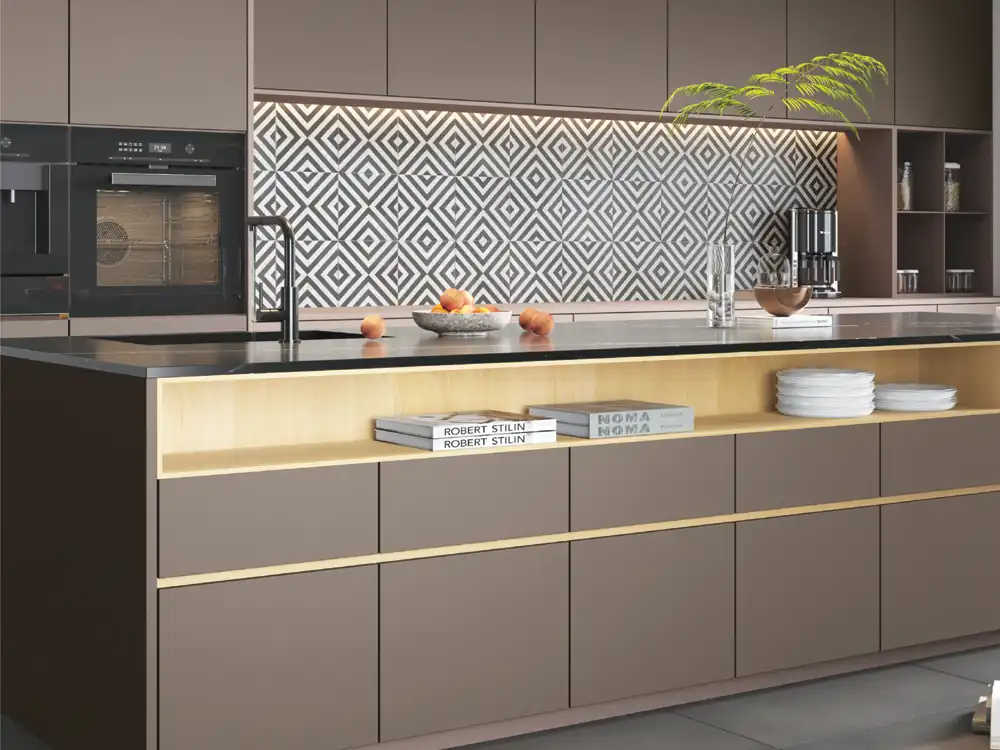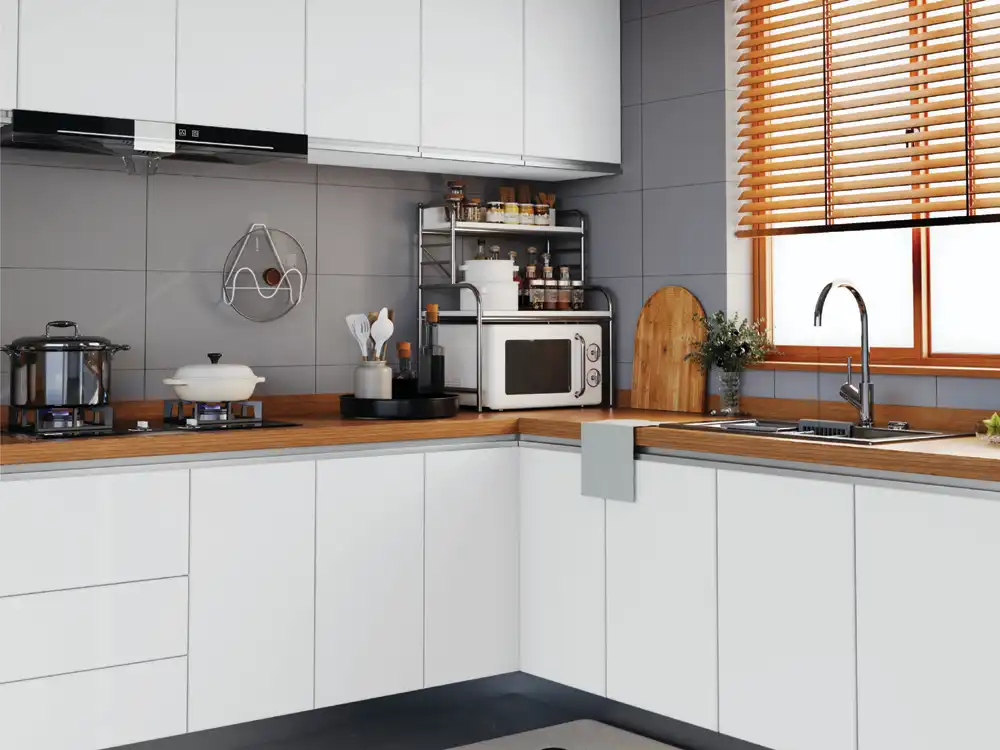
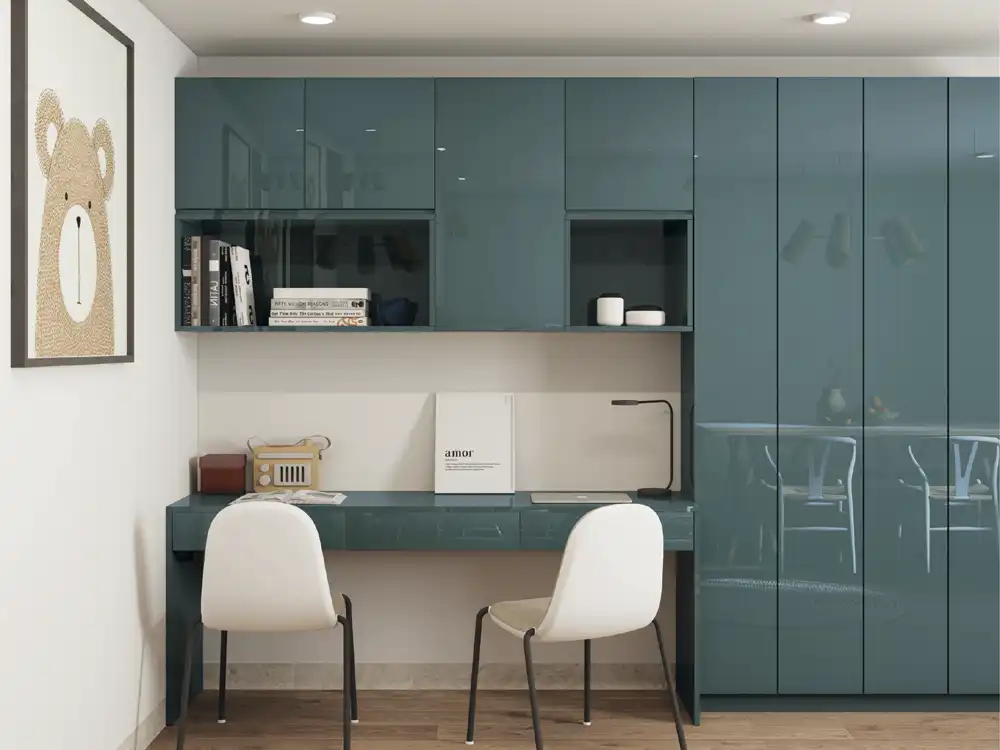
A practical guide for architects, interior designers, dealers and fabricators evaluating Thermolam laminates, suppliers, samples and project support in India.
Architects, interior designers, dealers and furniture manufacturers evaluate decorative surfaces differently from individual retail buyers. They need more than an attractive colour: they need consistent specifications, sample access, fabrication guidance, supply planning and responsive project support. Searches for a Thermolam laminates manufacturer in India therefore reflect a complete procurement need, not only a request for a sheet price.
AASA Thermolam by Mark Decor is positioned within the growing bendable-laminate category for contemporary furniture surfaces. Before specifying any product at scale, professionals should establish a clear evaluation process. This guide provides a practical checklist for comparing options, approving samples and reducing risk from design stage to installation.
Define the application before contacting suppliers
Begin with a concise application brief. State whether the material is intended for kitchen shutters, wardrobes, rounded counters, retail fixtures or another use. Include approximate quantity, sheet size expectations, substrate, location, project timeline and the type of bend required.
“We need a flexible laminate” is too broad. A 90-degree wrapped shutter edge is different from a 300 mm radius column, a concave counter or a compound shape. Suppliers can respond more accurately when the geometry and exposure conditions are clear.
Verify the product identity
Decorative surface names are sometimes used loosely in the market. Confirm the exact brand, collection, design code, finish, sheet dimensions and thickness. Ensure the sample label matches the quotation and delivery documentation. Avoid approving materials only by colour name because similar names can appear across collections.
For AASA Thermolam, request the current Mark Decor catalogue and any available technical or application guidance. Product information can change as collections evolve, so use the latest issued material rather than an old forwarded PDF.
Ask for technical information, not only claims
Common market phrases include waterproof, heat resistant, scratch resistant, anti-fingerprint and fire resistant. These words can have different meanings depending on the test, duration and application. A professional specification should identify what has actually been tested and what limitations apply.
At minimum, ask about:
- sheet size and nominal thickness;
- approved bending direction and minimum radius;
- recommended substrate and adhesive;
- application method and required tools;
- surface cleaning guidance;
- storage and conditioning requirements;
- limitations around heat, water, exterior use or direct sunlight;
- warranty terms and exclusions, where applicable.
Evaluate the décor range
A useful collection should support real project palettes, not only isolated trend colours. Review solids, neutrals, woods and textures across full sheets or large samples. Consider whether multiple colours can coordinate within one project and whether the designs complement other surface categories.
For architects, a balanced range makes it easier to specify Thermolam as a repeatable system across kitchens, wardrobes and custom furniture. For dealers, a clear core palette helps manage sample displays and customer decision-making.
Build a fabricated sample
A flat swatch confirms colour and touch, but it does not confirm bend quality. Ask the proposed fabricator to create a corner sample using the actual Thermolam design, substrate, adhesive and machining method. The sample should show the face, wrapped edge, rear termination and any hardware interaction.
Inspect for cracking, whitening, bubbling, uneven radius and visible adhesive. View the sample under side lighting and compare multiple attempts if the project quantity is significant. Document the successful settings and retain the approved sample as the project benchmark.
Assess workshop readiness
A product can perform well in one factory and poorly in another if process control differs. Evaluate whether the workshop has accurate cutting and grooving equipment, clean pressing conditions, trained operators and a quality-inspection routine. Ask for examples of completed bendable-laminate work.
For a new workshop, begin with a limited trial batch. Do not send all sheets directly into production without testing. The cost of a prototype is small compared with replacing an entire wardrobe or kitchen elevation.
Supply and quantity planning
Calculate net area, cutting waste, grain direction, rejected trial pieces and future replacement stock. Woodgrains and directional textures may create more waste than solid colours. Curved parts can also require larger continuous pieces.
Confirm current stock before finalising the programme. For phased projects, discuss whether the same design is expected to remain available and whether batch coordination is possible. Keep the product code and delivery documents in the project records.
Price comparison
Compare like with like. A low sheet price may exclude freight, tax, wastage, specialist adhesive, machining or replacement risk. A higher-priced surface may still offer better value if supply, documentation and fabrication support reduce uncertainty.
Request a complete cost model:
- material cost per sheet and usable square area;
- transport and handling;
- substrate and balancing material;
- approved adhesive;
- grooving or forming labour;
- edge treatment for non-wrapped sides;
- prototype and rejection allowance;
- installation and protection.
For dealers, margins should account for sample investment, stock rotation and customer support, not only the invoice discount.
Project support and communication
Responsive communication is valuable when a product is new to the workshop. A supplier should be able to identify the current catalogue, confirm availability, route technical questions and provide consistent order documentation. Architects may need samples for client approval; dealers may need display material; fabricators may need application clarification.
Define one contact person and keep approvals in writing. Photograph the approved sample and product label. This avoids confusion when several contractors and purchasing teams are involved.
Quality checks on delivery
- Count sheets and compare design codes with the purchase order.
- Inspect packaging for impact or water damage.
- Check colour and finish against the approved sample.
- Record batch information where provided.
- Store sheets flat or as specifically instructed.
- Protect surfaces from dust, moisture and direct site damage.
- Report discrepancies before cutting or application.
Specification language for architects
A robust finish schedule should include brand and collection, exact design code, finish, sheet dimensions, substrate, adhesive or system reference, edge to be wrapped, radius, grain direction and requirement for an approved mock-up. Add a clause that substitutions require written approval after equivalent technical data and a fabricated sample are reviewed.
Avoid writing only “Thermolam or equivalent.” Without measurable criteria, equivalence becomes a colour comparison rather than a performance and process comparison.
Dealer and distributor considerations
Dealers should understand the difference between a flat sample sale and a system sale. Customers may need a fabricator recommendation, corner demonstration and explanation of where the material should be used. Training sales teams to ask about application reduces unrealistic promises.
Display a completed shutter corner beside the swatch book. The physical demonstration communicates the product’s purpose more clearly than a paragraph of features. Keep technical claims aligned with official information and avoid extending them beyond the approved application.
Sustainability and responsible selection
Ask suppliers for available information on material composition, manufacturing standards, emissions or environmental declarations where these are relevant to the project. Sustainability should consider the complete furniture assembly, service life, repairability, transport and waste—not just one marketing label.
Accurate cutting plans and experienced fabrication reduce rejected sheets, which is one of the most immediate ways to lower project waste.
Red flags during procurement
- No labelled sample or inconsistent design codes.
- Broad performance claims without supporting information.
- No guidance on radius, substrate or adhesive.
- Pressure to skip the fabricated mock-up.
- Unclear availability for the required quantity.
- A quotation that omits taxes, freight or fabrication requirements.
- Substitution after approval without written notice.
Conclusion
Buying Thermolam laminates in India is a process of matching design intent with verified product information, capable fabrication and dependable supply. The strongest supplier relationship supports samples, accurate documentation and realistic application guidance—not only a competitive price.
Architects, dealers and fabricators can begin by exploring AASA Thermolam by Mark Decor, reviewing the latest catalogues and discussing the exact project geometry with the Mark Decor team. Always approve a fabricated sample before full production.